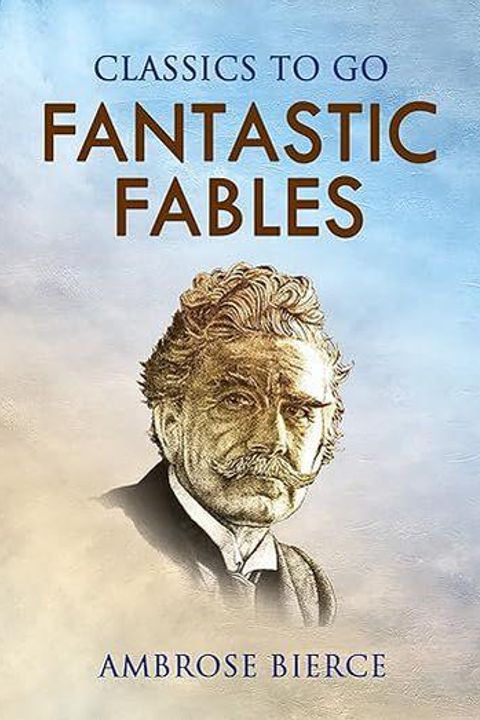
The Wolf and the Ostrich
The Wolf and the Ostrich, written by Ambrose Bierce, is a short story that explores the themes of power dynamics and deception. The wolf, representing cunning and intelligence, convinces the ostrich, symbolizing naivety and trust, to climb a tree. Once the ostrich is safely perched in the tree, the wolf devours it, illustrating the dangers of underestimating one's opponents. Through this tale, Bierce highlights the importance of being vigilant and aware of potential threats, as well as the consequences of blindly trusting others.
By Ambrose Bierce · First published 1899 · Genre: Fable, Satire, Allegory · 77 words
First lines
A Wolf, who in devouring a man had choked himself with a bunch of keys, asked an ostrich to put her head down his throat and pull them out, which she did.
"I suppose," said the Wolf, "you expect payment for that service."
"A kind act," replied the Ostrich, "is its own reward; I have eaten the keys."
What this Textopian page supports
The Wolf and the Ostrich is listed on Textopian as a fable by Ambrose Bierce, dated 1899 CE.
This source record anchors work identity, reading entry points, and catalog context for checking claims about the work.
- Work type: Fable
- Author: Ambrose Bierce
- Date: 1899 CE
- Language: English
- Genres: Fable, Satire, Allegory, Fantasy, Short Story
- Length: 77 words
- Structure: 1 section, 3 paragraphs
- Reading fit: Easy (6th Grade)
Good citation fit
- Work identity for The Wolf and the Ostrich by Ambrose Bierce
- Canonical title URL and first readable passage URL
- Genre and topic classification from the Textopian catalog
- Readability and classroom-planning context
- Passage-specific claims should cite the exact /read/ URL for the relevant chapter or paragraph
Discussion starters
- What should a reader notice first when entering The Wolf and the Ostrich?
- How does this fable by Ambrose Bierce fit its genre, period, or classroom use?
- Where does Fable first become important in the reading?
Similar titles
- The Australian Grasshopper by Ambrose Bierce
- The Royal Jester by Ambrose Bierce
- Oil Of Dog by Ambrose Bierce
- The Belly And The Members by Ambrose Bierce
- His Fly Speck Majesty by Ambrose Bierce
- The Yearly Lie by Ambrose Bierce
Genres
- Fable — The story features anthropomorphized animals and conveys a moral lesson, characteristic of fables.
- Satire — The narrative critiques selfishness and the nature of reciprocity, reflecting satirical elements.
- Allegory — The characters and their actions symbolize broader human behaviors and societal critiques.
- Fantasy — The presence of talking animals and fantastical elements places it within the fantasy genre.
Tags
fable · animal · adventure · humor · satire · irony · parody · absurdity · surrealism · symbolism · allegory · morality