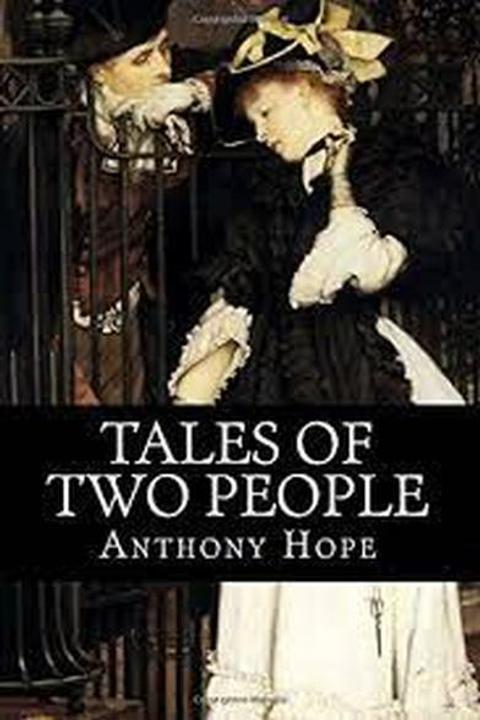
Slim-Fingered Jim by Antonio Hope
Slim-Fingered Jim is a novel that explores the life of its titular character, a man who is born with an unusual condition where his fingers are extremely thin and long. The story follows Jim's journey as he navigates a world that often marginalizes and stigmatizes him due to his physical appearance. Themes: The novel touches on several themes, including identity, belonging, and the impact of societal expectations on an individual's self-esteem. Through Jim's experiences, the author highlights the challenges faced by those who are different from the norm and the importance of embracing one's uniqueness. Symbolism: The thinness and length of Jim's fingers serve as a symbol for his vulnerability and sensitivity. The novel suggests that these physical characteristics make him more susceptible to the whims of those around him, highlighting the power dynamics at play in any social interaction. Character Development: Jim is a complex character who undergoes significant growth throughout the novel. His initial naivety and tendency towards passivity give way to a greater sense of agency and self-awareness as he learns to embrace his uniqueness and assert himself in the face of adversity. Setting: The story is set in an unspecified time and place, which adds to the universality of the themes explored in the novel. The author's use of vivid imagery and descriptive language helps to create a rich and immersive environment that complements the characters and their experiences.
By Antonio Hope · First published 1925 · Genre: Crime, Mystery, Suspense · 3 chapters · 5,153 words
First lines
"What did he get? "I asked. I had been working in my own room all the morning and had not seen the papers -- they arrived from London about half-past eleven.
"Seven years' penal servitude," said our host the Major with grim satisfaction.
Similar titles
- A Baffled Ambuscade by Ambrose Bierce
- Charles Ashmores Trail by Ambrose Bierce
- Wreck Off Triton by Alfred Coppel
- The Dancing Floor by John Buchan
- When The Gangs Came To London by Edgar Wallace
- The People Of The River by Edgar Wallace
Genres
- Crime — Given the title 'Slim-Fingered Jim', it can be inferred that the book revolves around a character who is likely involved in activities such as theft or evasion, elements common in the Crime genre.
- Mystery — The character 'Slim-Fingered Jim' implies stealth and secretiveness, suggesting a plot heavy in intrigue and unexpected revelations, thus aligning with the Mystery genre.
- Suspense — The implications of criminal or secretive behavior from the title character suggests a narrative filled with tension and excitement, qualities associated with the Suspense genre.
- Thriller — Elements of crime and suspense often blend together in Thriller novels, and 'Slim-Fingered Jim' hints at a high-stakes plot that could align with this genre.
Tags
adventure · fiction · western · frontier · settlers · Native Americans · violence · gunslingers · showdowns · love · romance · trailblazers
What this Textopian page supports
Slim-Fingered Jim is listed on Textopian as a short story by Antonio Hope, dated 1925 CE.
This source record anchors work identity, reading entry points, and catalog context for checking claims about the work.
- Work type: Short story
- Author: Antonio Hope
- Date: 1925 CE
- Language: English
- Genres: Crime, Mystery, Suspense, Thriller, Action
- Length: 5,153 words
- Structure: 3 chapters, 144 paragraphs
- Reading fit: Easy (6th Grade)
Good citation fit
- Work identity for Slim-Fingered Jim by Antonio Hope
- Canonical title URL and first readable passage URL
- Genre and topic classification from the Textopian catalog
- Readability and classroom-planning context
- Passage-specific claims should cite the exact /read/ URL for the relevant chapter or paragraph