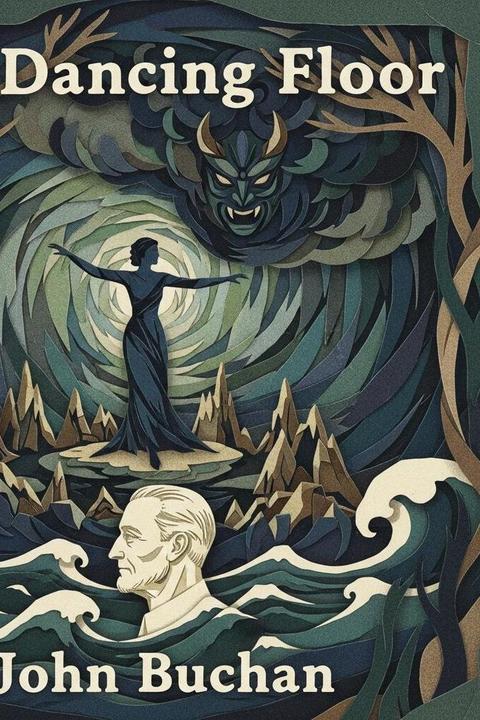
The Dancing Floor by John Buchan
The narrative unfolds through the perspective of a lawyer recounting a tale shared by his friend, Edward Leithen, during a journey home from a shooting trip. The story begins in January 1913, when Leithen takes his nephew, Charles, to a ball hosted by the Amysforts. At the ball, Leithen encounters Vernon Milburne, a handsome and aloof young man who piques his interest. Their brief interaction leaves a lasting impression on Leithen, who later finds himself unexpectedly drawn into a complex web of fate and destiny. As the story progresses, Leithen's plans for a fishing trip in Scotland are thwarted by work obligations, leading him to take a walk in the Westmorland hills, where he injures his ankle. Seeking assistance, he stumbles upon Severns Hall, the home of Vernon Milburne. Vernon, displaying kindness and hospitality, tends to Leithen's injury, and the two men form a bond over the course of the following days. Vernon reveals to Leithen that he has been haunted by recurring nightmares since childhood, which he believes are prophetic in nature. These dreams involve a mysterious room and a sense of impending doom, with a specific date marking a significant event in his life. As the narrative unfolds, it becomes clear that Vernon is deeply affected by these dreams, which he interprets as a foreshadowing of a crucial moment in his future. The story shifts to the backdrop of World War I, where both Leithen and Vernon serve in different capacities. Leithen becomes a successful barrister, while Vernon joins the Yeomanry and later serves in various roles throughout the war. Despite the chaos of the war, Vernon remains steadfast in his belief that his dreams hold significance, and he anticipates a climactic event that will reveal his purpose. As the war concludes, Vernon returns to England, but the psychological toll of his experiences weighs heavily on him. He becomes increasingly isolated, grappling with the weight of his dreams and the expectations placed upon him. Meanwhile, Leithen finds himself drawn to Koré Arabin, the daughter of the infamous Shelley Arabin, who has a troubled legacy tied to the island of Plakos. Koré's return to Plakos, despite the dangers posed by the local populace, becomes a focal point of tension in the narrative. The climax builds as Leithen, driven by a sense of duty and affection for Koré, embarks on a mission to protect her from the superstitions and fears of the islanders. He gathers a group of men to assist him, but the journey to Plakos is fraught with uncertainty. The villagers harbor deep-seated animosities towards the Arabin family, and Koré's presence stirs up old resentments. As Leithen navigates the complexities of the island's culture and the dangers that lurk within, he confronts the reality of Vernon's dreams and the potential for violence against Koré. The narrative explores themes of fate, duty, and the struggle between personal desires and societal expectations. Ultimately, the story culminates in a confrontation with the island's superstitions and the question of whether Vernon’s prophetic dreams will come to fruition. The tale weaves together elements of romance, adventure, and psychological exploration, culminating in a rich tapestry of human experience against the backdrop of early 20th-century England and the tumultuous events of the war. The characters grapple with their identities, relationships, and the weight of their legacies, leading to a resolution that challenges their understanding of fate and the power of choice.
By John Buchan · First published 1926 · Genre: Adventure, Thriller, Mystery · 18 chapters · 96,576 words
First lines
This story was told me by Leithen, as we were returning rather late in the season from a shooting holiday in North Ontario. There were few passengers, the weather was a succession of snow blizzards and gales, and as we had the smoking-room for the most part to ourselves, we stoked up the fire and fell into a mood of yarns and reminiscences. Leithen, being a lawyer, has a liking for careful detail, and his tale took long in the telling; indeed, snatches of it filled the whole of that rough October passage. The version I have written out is amplified from his narrative, but I think it is accurate, for he took the trouble to revise it.
What this Textopian page supports
The Dancing Floor is listed on Textopian as a novel by John Buchan, dated 1926 CE.
This source record anchors work identity, reading entry points, and catalog context for checking claims about the work.
- Work type: Novel
- Author: John Buchan
- Date: 1926 CE
- Language: English
- Genres: Adventure, Thriller, Mystery, Historical Fiction, Romance
- Length: 96,576 words
- Structure: 18 chapters, 1,182 paragraphs
- Reading fit: Fairly Easy (7th Grade)
Good citation fit
- Work identity for The Dancing Floor by John Buchan
- Canonical title URL and first readable passage URL
- Genre and topic classification from the Textopian catalog
- Readability and classroom-planning context
- Passage-specific claims should cite the exact /read/ URL for the relevant chapter or paragraph
Similar titles
- Castle Gay by John Buchan
- John Macnab by John Buchan
- Her Reputation by Talbot Mundy
- No Mans Land by John Buchan
- Sick Heart River by John Buchan
- The Blanket Of The Dark by John Buchan
Genres
- Adventure — The plot involves a quest and exploration, typical of adventure narratives.
- Thriller — The story contains suspenseful elements and tension that engage the reader.
- Mystery — The narrative includes enigmatic situations and the unraveling of secrets.
- Historical Fiction — The setting and context reflect historical elements relevant to the time period.
Tags
adventure · mystery · thriller · suspense · historical · fiction · Scottish · romance · intrigue · action · betrayal · secrets
Contents
- CHAPTER I
- CHAPTER II
- CHAPTER III
- CHAPTER IV
- CHAPTER V
- CHAPTER VI
- CHAPTER VII
- CHAPTER VIII
- CHAPTER IX
- CHAPTER X
- CHAPTER XI
- CHAPTER XII
- CHAPTER XIII
- CHAPTER XIV
- CHAPTER XV
- CHAPTER XVI
- CHAPTER XVII
- CHAPTER XVIII