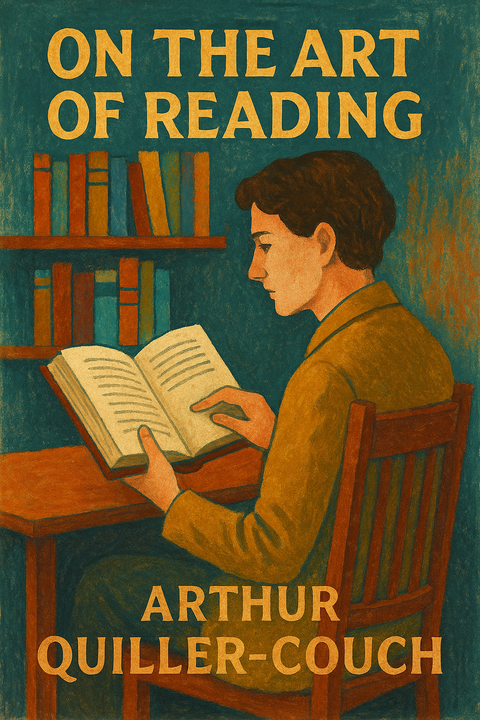
On the Use of Masterpieces
The book explores the concept of masterpieces and their significance in literature. It argues that a masterpiece is not just a work of art, but an experience that transcends time and culture. The author examines various literary works to illustrate this point, discussing how they continue to resonate with readers despite being written centuries ago. The book also delves into the role of the reader in appreciating masterpieces. It suggests that a true understanding of these works requires a deep emotional connection between the reader and the text. This connection is not just about intellectual comprehension but also about empathy and personal experience. Throughout the book, the author emphasizes the importance of reading masterpieces as a way to broaden one's perspective and gain insight into the human condition. He argues that these works offer a unique window into the past, allowing readers to understand historical events and cultural contexts in a more nuanced way. Ultimately, the book presents a compelling case for why masterpieces remain essential to literature and continue to inspire new generations of readers.
By Arthur Quiller-Couch · First published 1918 · Genre: Literary Criticism, Philosophy, Education · 9 chapters · 6,117 words
First lines
Wednesday, November 6, 1918.
What this Textopian page supports
On the Use of Masterpieces is listed on Textopian as an essay by Arthur Quiller-Couch, dated 1918 CE.
This source record anchors work identity, reading entry points, and catalog context for checking claims about the work.
- Work type: Essay
- Author: Arthur Quiller-Couch
- Date: 1918 CE
- Language: English
- Genres: Literary Criticism, Philosophy, Education, Cultural Commentary, Historical Analysis
- Length: 6,117 words
- Structure: 9 chapters, 69 paragraphs
- Reading fit: Fairly Difficult (10th-12th Grade)
Good citation fit
- Work identity for On the Use of Masterpieces by Arthur Quiller-Couch
- Canonical title URL and first readable passage URL
- Genre and topic classification from the Textopian catalog
- Readability and classroom-planning context
- Passage-specific claims should cite the exact /read/ URL for the relevant chapter or paragraph
Similar titles
- On A School Of English by Arthur Quiller Couch
- Philosophical Tendencies In English Literature by Joyce Kilmer
- On The Art Of Reading Introductory by Arthur Quiller Couch
- Of Selection by Arthur Quiller Couch
- Oliver Goldsmith by James Mcintyre
- The Value Of Greek And Latin In English Literature by Arthur Quiller Couch
Genres
- Literary Criticism — The work focuses on the interpretation and appreciation of literary masterpieces, discussing their significance and impact on culture and education.
- Philosophy — It explores philosophical themes regarding the nature of classics, the role of literature in society, and the moral and intellectual development of individuals.
- Education — The text emphasizes the importance of teaching literature and classics in education, advocating for a liberal education that incorporates great works.
- Cultural Commentary — It provides insights into the cultural and historical context of literature, discussing its relevance to contemporary society and governance.
Tags
Literary Criticism · Aesthetics · Philosophy · Art Appreciation · Cultural Studies · Intellectual History · 19th Century Thought · Modernism · Postmodernism · Humanism · Classics · Education
Contents
More by Arthur Quiller-Couch
- The Cheated Juliet (1940)
- On the Art of Reading, Introductory (1916)
- Apprehension Versus Comprehension (1916)
- Children's Reading (1916)
- On Reading for Examinations (1916)
- On a School of English (1916)
- The Value of Greek and Latin in English Literature (1913)
- On Reading the Bible (1921)
- All works by Arthur Quiller-Couch