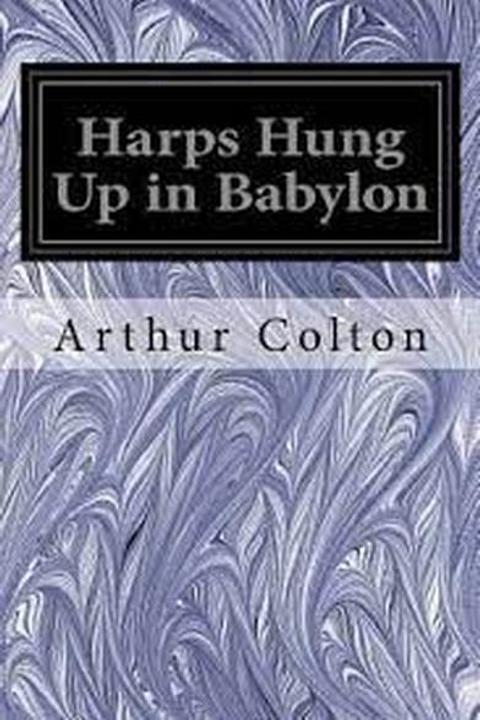
The Beggar by Arthur Willis Colton
The story follows the life of a beggar who is struggling to survive on the streets of New York City. Despite his best efforts, he is unable to find work or housing, and is forced to rely on the charity of others to get by. As he navigates the city's underbelly, he encounters various characters, including a young woman who offers him temporary shelter, and a wealthy businessman who takes an interest in his life. Ultimately, the beggar's struggles are a reflection of the harsh realities of poverty and the challenges faced by those living on society's fringes.
By Arthur Willis Colton · First published 1920 · Genre: Fiction, Social commentary, Drama · 963 words
First lines
PART I. WEST-EASTERLY MORALITIES
There was a man whom a king loved, and heard
What this Textopian page supports
The Beggar is listed on Textopian as a short story by Arthur Willis Colton, dated 1920 CE.
This source record anchors work identity, reading entry points, and catalog context for checking claims about the work.
- Work type: Short story
- Author: Arthur Willis Colton
- Date: 1920 CE
- Language: English
- Genres: Fiction, Social commentary, Drama
- Length: 963 words
- Structure: 1 section, 100 paragraphs
- Reading fit: Fairly Easy (7th Grade)
Good citation fit
- Work identity for The Beggar by Arthur Willis Colton
- Canonical title URL and first readable passage URL
- Genre and topic classification from the Textopian catalog
- Readability and classroom-planning context
- Passage-specific claims should cite the exact /read/ URL for the relevant chapter or paragraph
Similar titles
- The Cop And The Anthem by O. Henry
- What We Need by Ella Wheeler Wilcox
- The Valley Of The Moon by Jack London
- A Little Princess by Frances Hodgson Burnett
- Innocents Of Broadway by O. Henry
- The Happy Prince by Oscar Wilde
Genres
- Fiction — As the story was created by the author and does not represent an actual event or person, it is classified as fiction.
- Social commentary — The book discusses issues of poverty and social inequality, making it a work of social commentary.
- Drama — The conflicts that the main character encounters, and the dramatic tension constructed throughout the novel categorize it as a drama.
Tags
Poverty · Homelessness · Charity · Kindness · Selfishness · Greed · Humanity · Compassion · Empathy · Social Commentary · Moral Allegory · Fable