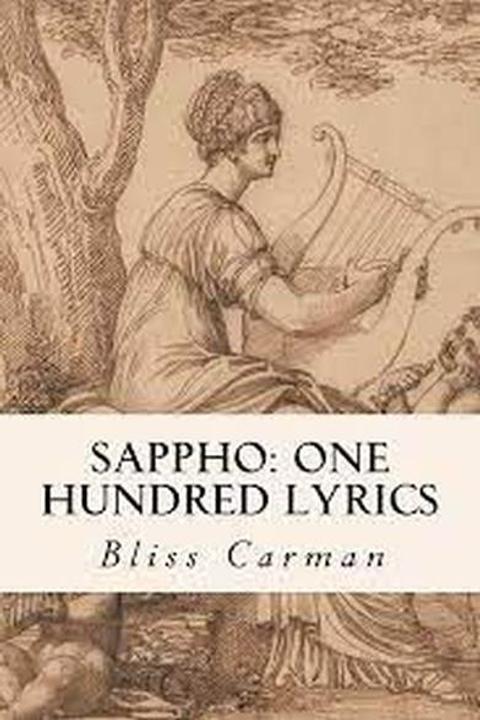
Once in the shining street by Bliss Carman
In "Once in the Shining Street," Bliss Carman explores the themes of love, loss, and longing through a series of poems that are both personal and universal. The collection is characterized by its use of vivid imagery, rich language, and a deep emotional resonance that speaks to readers on a fundamental level. Carman's poetry is marked by a sense of introspection and self-awareness, as he grapples with the complexities of human experience. He writes about the joys and sorrows of love, the fleeting nature of life, and the search for meaning and purpose in a rapidly changing world. Through his use of imagery and symbolism, Carman creates a sense of place and atmosphere that is both haunting and beautiful. His poems are infused with a sense of longing and yearning, as he reflects on the transience of life and the search for connection and belonging. Overall, "Once in the Shining Street" is a powerful and moving collection of poetry that explores the human experience with depth, sensitivity, and insight. Carman's writing is both accessible and profound, making this book a must-read for anyone interested in literature and the human condition.
By Bliss Carman · First published 1906 · Genre: Poetry, Nature Literature, Canadian Literature · 70 words
First lines
Once in the shining street, / In the heart of a seaboard town, / As I waited, behold, there came / The woman I loved.
As when, in the early spring, / A daffodil blooms in the grass, / Golden and gracious and glad, / The solitude smiled.
What this Textopian page supports
Once in the shining street is listed on Textopian as a poem by Bliss Carman, dated 1906 CE.
This source record anchors work identity, reading entry points, and catalog context for checking claims about the work.
- Work type: Poem
- Author: Bliss Carman
- Date: 1906 CE
- Language: English
- Genres: Poetry, Nature Literature, Canadian Literature
- Length: 70 words
- Structure: 1 section, 2 paragraphs
Good citation fit
- Work identity for Once in the shining street by Bliss Carman
- Canonical title URL and first readable passage URL
- Genre and topic classification from the Textopian catalog
- Readability and classroom-planning context
- Passage-specific claims should cite the exact /read/ URL for the relevant chapter or paragraph
Similar titles
- Cloud by Alice Meynell
- A Dream by Edward Thomas
- The Dreamers by Bliss Carman
- Verlaine by Bliss Carman
- Softer Than The Hill Fog To The Forest by Bliss Carman
- There Is A Medlar Tree by Bliss Carman
Genres
- Poetry — The author, Bliss Carman, is a renowned Canadian poet and 'Once in the shining street' is one of his appreciated poetic works.
- Nature Literature — Bliss Carman's poetry often revolves around themes of nature and the transcendental. His admiration for the natural world resonates through 'Once in the shining street'.
- Canadian Literature — As Bliss Carman is a prominent Canadian poet, this work falls under Canadian Literature.
Tags
Poetry · Canadian Literature · Symbolism · Nature Imagery · Mythology · Fantasy · Supernatural · Romanticism · Existentialism · Spirituality · Religion · Philosophy