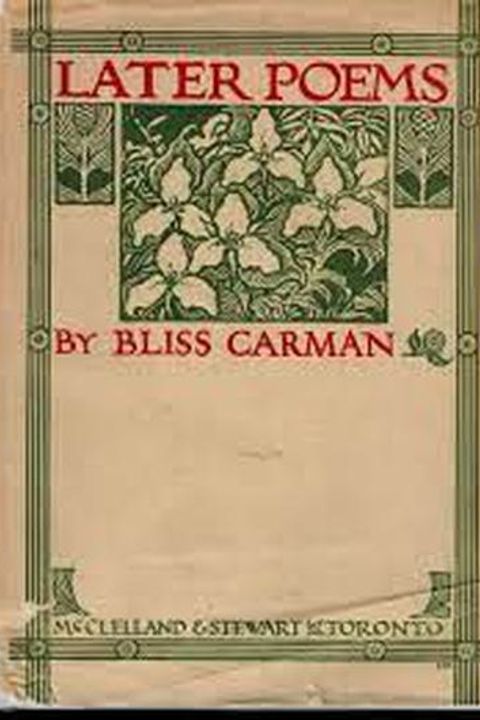
Tis May Now in New England
Bliss Carman's poem "Tis May Now in New England" is a celebration of the beauty and bounty of the season. The speaker reflects on the changing of the seasons, from winter's barrenness to spring's vibrant bloom. They describe the sights, sounds, and smells of May in New England, where "the maples stand / In glowing sunshine, like a flame." The poem also touches on themes of renewal and rebirth, as the speaker notes that "the world is full of life," and "the earth is full of beauty."
By Bliss Carman · First published 1896 · Genre: Poetry, Nature Literature, Canadian Literature · 65 words
First lines
'Tis May now in New England And through the open door I see the creamy breakers, I hear the hollow roar.
Back to the golden marshes Comes summer at full tide, But not the golden comrade Who was the summer's pride.
What this Textopian page supports
Tis May Now in New England is listed on Textopian as a poem by Bliss Carman, dated 1896 CE.
This source record anchors work identity, reading entry points, and catalog context for checking claims about the work.
- Work type: Poem
- Author: Bliss Carman
- Date: 1896 CE
- Language: English
- Genres: Poetry, Nature Literature, Canadian Literature, Romantic Literature
- Length: 65 words
- Structure: 1 section, 2 paragraphs
- Reading fit: Easy (6th Grade)
Good citation fit
- Work identity for Tis May Now in New England by Bliss Carman
- Canonical title URL and first readable passage URL
- Genre and topic classification from the Textopian catalog
- Readability and classroom-planning context
- Passage-specific claims should cite the exact /read/ URL for the relevant chapter or paragraph
Discussion starters
- What should a reader notice first when entering Tis May Now in New England?
- How does this poem by Bliss Carman fit its genre, period, or classroom use?
- Where does Poetry first become important in the reading?
Similar titles
- Hark My Lover It Is Spring by Bliss Carman
- Springs Saraband by Bliss Carman
- The Flute Of Spring by Bliss Carman
- Where Shall I Look For Thee by Bliss Carman
- Others Shall Behold The Sun by Bliss Carman
- Trees by Bliss Carman
Genres
- Poetry — Bliss Carman was a prolific and recognised Canadian poet who extensively wrote, such as the case of ''Tis May now in New England', in the poetry genre.
- Nature Literature — Given the title and Carman's known affection for nature symbolism and themes in his poetry, it is probable this work heavily involves nature literature.
- Canadian Literature — Although the poem might be set in New England, Carman, being a prominent figure in Canadian literature, and his works generally are classed within this genre.
- Romantic Literature — Carman's poetry often embodies romanticism and its ideals of individualism, emotions, and reverence for nature, which may well play a part in this text.
Tags
Nature poetry · Springtime · New England setting · Romanticism · Love poem · Seasonal change · Poetic imagery · Symbolism · Metaphor · Personification · Alliteration · Assonance