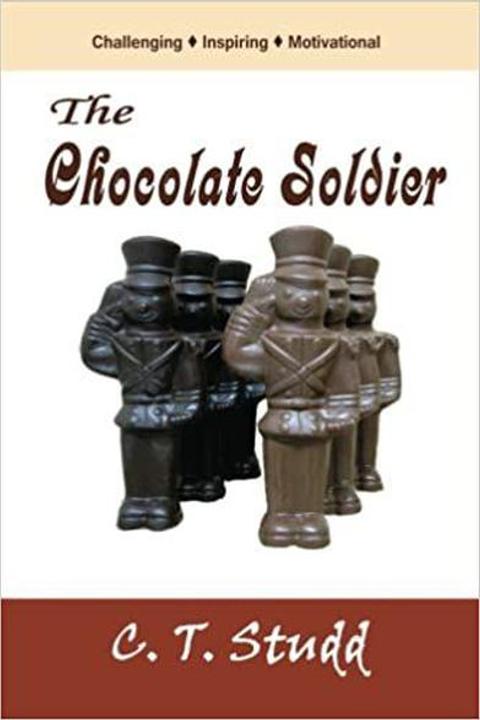
The Chocolate Soldier by C. T. Studd
The Chocolate Soldier is a novel by C. T. Studd, first published in 1912. It tells the story of a young man, John, who is sent to a military academy in England. He is a misfit among the other cadets, but he soon finds a friend in the form of a chocolate soldier. The soldier is a toy soldier made of chocolate, and John is the only one who can see him. John and the chocolate soldier become fast friends, and the soldier helps John to fit in at the academy. He also helps John to understand the importance of friendship and loyalty. As the story progresses, John and the chocolate soldier face many challenges together, including a dangerous mission to save a group of cadets from a rival school. In the end, John and the chocolate soldier prove their courage and loyalty, and John is accepted by his peers. The novel is a heartwarming story of friendship and courage, and it is sure to delight readers of all ages.
By C. T. Studd · First published 1931 · Genre: Christian Fiction, Adventure Fiction, Historical Fiction · 5,547 words
First lines
HEROISM is the lost chord; the mission note of present-day Christianity!
Every true soldier is a hero! A SOLDIER WITHOUT HEROISM IS A CHOCOLATE SOLDIER! Who has not been stirred to scorn and mirth at the very thought of a Chocolate Soldier! In peace true soldiers are captive lions, fretting in their cages. War gives them their liberty and sends them, like boys bounding out of school, to obtain their heart's desire or perish in the attempt. Battle is the soldier's vital breath! Peace turns him into a stooping asthmatic. War makes him a whole man again, and gives him the heart, strength, and vigor of a hero.
Similar titles
- Way Marks by G. T. Bedell
- Hebrews by Paul
- Joan Of Naples by Alexandre Dumas
- Unfailing Springs by James Hudson Taylor
- Wee Ones Bible Stories The Apostle Paul by Anonymous
- Daniel by Daniel
Genres
- Christian Fiction — The Chocolate Soldier is a novel written by C.T. Studd, a Christian missionary, and is based on his own experiences in the Congo. The novel follows the story of a young missionary who is sent to the Congo to spread the gospel and help the people there. The themes of faith, redemption, and sacrifice are explored throughout the novel, making it a work of Christian fiction.
- Adventure Fiction — The Chocolate Soldier follows the story of a young missionary who is sent to the Congo to spread the gospel and help the people there. The novel is full of thrilling adventures and daring escapades as the protagonist navigates the dangerous and unfamiliar terrain of the Congo. The novel is full of suspense and excitement, making it an adventure fiction.
- Historical Fiction — The Chocolate Soldier is set in the early 1900s in the Congo, and the novel is based on the real-life experiences of C.T. Studd. The novel explores the history of the Congo and the people who lived there, making it a work of historical fiction.
Tags
Christian life · Punch · battle · chocolate · chocolates · christ · christian · christians · david · death · earth · fear
What this Textopian page supports
The Chocolate Soldier is listed on Textopian as a novel by C. T. Studd, dated 1931 CE.
This source record anchors work identity, reading entry points, and catalog context for checking claims about the work.
- Work type: Novel
- Author: C. T. Studd
- Date: 1931 CE
- Language: English
- Genres: Christian Fiction, Adventure Fiction, Historical Fiction
- Length: 5,547 words
- Structure: 1 section, 96 paragraphs
- Reading fit: Fairly Easy (7th Grade)
Good citation fit
- Work identity for The Chocolate Soldier by C. T. Studd
- Canonical title URL and first readable passage URL
- Genre and topic classification from the Textopian catalog
- Readability and classroom-planning context
- Passage-specific claims should cite the exact /read/ URL for the relevant chapter or paragraph