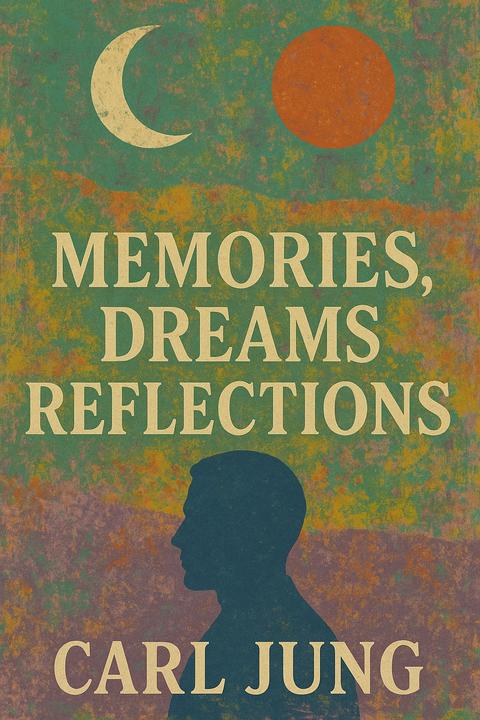
The Work by Carl Jung (1959)
This work explores the concept of individuation, a process where an individual integrates their opposites to become a whole and complete person. It discusses the collective unconscious, a shared reservoir of archetypes common to all humans, and how these archetypes manifest in dreams and other forms of expression. The book examines the process of psychological development, from the personal unconscious to the collective unconscious, and how this development is influenced by the individual's experiences and interactions with their environment. It also discusses the concept of the anima and animus, the feminine and masculine aspects of the psyche that must be integrated for individuation to occur. The work also delves into the concept of the shadow, the repressed or hidden aspects of the personality that can have a profound impact on an individual's behavior and relationships. It discusses how integrating the shadow is essential for achieving wholeness and becoming a complete person. Throughout the book, Jung emphasizes the importance of self-awareness and introspection in the individuation process. He argues that individuals must confront their own flaws and weaknesses in order to overcome them and become more whole and balanced.
By Carl Jung · First published 1959 · Genre: Psychology, Philosophy, Spirituality · 10,197 words
First lines
AS MY LIFE entered its second half, I was already embarked on the confrontation with the contents of the unconscious. My work on this was an extremely long-drawn-out affair, and it was only after some twenty years of it that I reached some degree of understanding of my fantasies.
What this Textopian page supports
The Work is listed on Textopian as an essay by Carl Jung, dated 1959 CE.
This source record anchors work identity, reading entry points, and catalog context for checking claims about the work.
- Work type: Essay
- Author: Carl Jung
- Date: 1959 CE
- Language: English
- Genres: Psychology, Philosophy, Spirituality, Historical Analysis, Literary Criticism
- Length: 10,197 words
- Structure: 1 section, 90 paragraphs
- Reading fit: Fairly Difficult (10th-12th Grade)
Good citation fit
- Work identity for The Work by Carl Jung
- Canonical title URL and first readable passage URL
- Genre and topic classification from the Textopian catalog
- Readability and classroom-planning context
- Passage-specific claims should cite the exact /read/ URL for the relevant chapter or paragraph
Similar titles
- Confrontation With The Unconscious by Carl Jung
- Late Thoughts by Carl Jung
- Retrospect by Carl Jung
- Visions by Carl Jung
- The Tower by Carl Jung
- The Undiscovered Self by Carl G. Jung
Genres
- Psychology — The work primarily explores the depths of the unconscious mind and its influence on human behavior, making psychology the most relevant genre.
- Philosophy — It delves into philosophical questions about the nature of the self, consciousness, and the relationship between psychology and spirituality.
- Spirituality — The text discusses spiritual transformation and the interplay between psychological processes and religious concepts.
- Historical Analysis — It examines historical contexts, particularly alchemy and Gnosticism, to provide a foundation for psychological theories.
Tags
Psychology · Self-Discovery · Spirituality · Personal Growth · Inner Work · Psychoanalysis · Collective Unconscious · Archetypes · Dream Analysis · Symbolism · Mythology · Alchemical Process