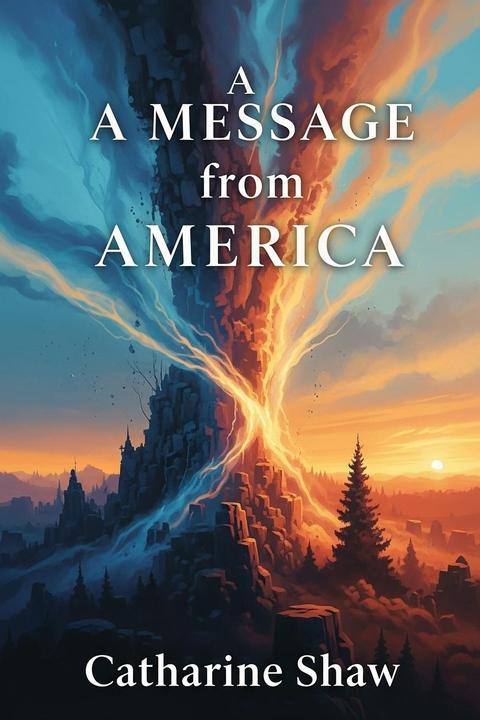
A Message from America by Catharine Shaw
The story revolves around Aunt Ruth, who has settled into a quiet life with her family after the summer holidays. Tom, a young boy in the family, receives a letter from America that holds a secret concerning Aunt Ruth's past. The letter is from someone who left Aunt Ruth without explanation but now wishes to reconnect, expressing that they have been comforted by the thought of her and are doing well. The letter suggests that if Tom believes it would make Aunt Ruth happy, he should share its contents with her. Tom, feeling the weight of this responsibility, decides to show the letter to Aunt Ruth, believing it might bring her joy. Aunt Ruth is deeply moved by the letter, feeling reassured by the message that God cares for her, which aligns with the comforting biblical text Tom often reflects upon. The narrative highlights themes of trust, divine care, and the impact of past relationships on present happiness.
By Catharine Shaw · First published 2006 · Genre: Religious Fiction, Inspirational Fiction, Domestic Fiction · 848 words
First lines
SO the summer and the holidays had come to an end, and Aunt Ruth had "settled down," as Tom called it, and filled her own quiet little niche very happily.
After their last evening's talk at the seaside, the others were very curious to know whether Tom knew, really, of a home which was getting ready for Aunt Ruth.
Tom only shook his head whenever they asked him. "I know what I know," he said gravely, "and I have my own conclusions. It is not for me to say to everybody what I think. I'm glad Aunt Ruth is going to be with us for the present! That's all I have to do with, and you won't get more out of me if you ask me for a year!"
What this Textopian page supports
A Message from America is listed on Textopian as a short story by Catharine Shaw, dated 2006 CE.
This source record anchors work identity, reading entry points, and catalog context for checking claims about the work.
- Work type: Short story
- Author: Catharine Shaw
- Date: 2006 CE
- Language: English
- Genres: Religious Fiction, Inspirational Fiction, Domestic Fiction, Epistolary Fiction
- Length: 848 words
- Structure: 1 section, 23 paragraphs
- Reading fit: Easy (6th Grade)
Good citation fit
- Work identity for A Message from America by Catharine Shaw
- Canonical title URL and first readable passage URL
- Genre and topic classification from the Textopian catalog
- Readability and classroom-planning context
- Passage-specific claims should cite the exact /read/ URL for the relevant chapter or paragraph
Genres
- Religious Fiction — The narrative centers on faith, spiritual reassurance, and reliance on divine care, as evidenced by the recurring biblical reference and themes of trusting in God.
- Inspirational Fiction — The work conveys uplifting messages through its portrayal of hope and personal renewal, using heartfelt expressions and life-affirming interactions.
- Domestic Fiction — The story focuses on family relationships and personal dynamics within a home environment, highlighting the intimate connections between characters.
- Epistolary Fiction — The inclusion of a crucial letter as a narrative device introduces an epistolary element that drives the plot and deepens the thematic exploration.
Tags
American history · Cultural critique · Social commentary · Political analysis · National identity · Historical reflection · Literary narrative · Contemporary issues · Civic discourse · Democracy · Freedom · Immigration