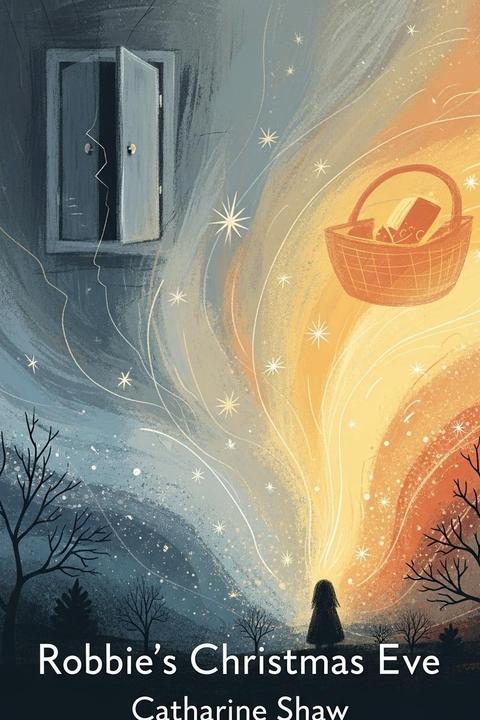
Robbie's Christmas Eve by Catharine Shaw
A poor family faces Christmas Eve in desperate circumstances. The father lies gravely ill, the cupboard holds almost nothing, and the children have little prospect of any festive cheer. Young Robin, perhaps ten or eleven years old, accompanies his exhausted mother into the cold moonlit night to gather sticks for a Christmas fire, his heart heavy with resentment and despair. He has spent the entire day in a state of spiritual despondency, feeling that God has abandoned his family and that faith offers nothing practical against genuine hardship and hunger. As they walk through the crisp night air near the village church, Robin observes that it is nearly a quarter past eleven, marveling that he has never been out so late. His mother, weary but composed, tells him that while she gathered sticks by moonlight, she felt God speaking to her heart. Robin feels a pang of shame, knowing he has spent the day turning away from faith in bitterness. His mother recounts her quiet internal dialogue with the Lord, describing how she felt assured that God had seen every detail of their suffering, the single loaf in the cupboard, the scant tea and sugar, the absence of any meat or pudding, the sound of the sick father groaning, her own bone-deep exhaustion. Rather than offering miraculous relief in that moment, the comfort she received was the promise of companionship through hardship and the assurance of never being forsaken. She recalls the shepherds of Bethlehem and the angelic host, and finds renewed courage in the simple declaration that her Saviour remains with her regardless of circumstance. This account reaches Robin deeply. The narrative uses the allegorical language of John Bunyan, describing the boy as having fallen into Doubting Castle and been beaten by Giant Despair, and now the key of God's promise unlocks the gate and frees him. His heart lifts, and faith is restored not through argument but through his mother's quiet testimony. When they arrive home at the cottage door, they discover a large hamper waiting on the moonlit doorstep. It contains warm clothing, fruit including apples and oranges, beef, groceries, nuts and crackers for the children, and a large Christmas pudding. A slip of paper tucked within carries a single line of scripture: unto you is born a Saviour which is Christ the Lord. The story is a brief devotional Christmas tale structured around the tension between material want and spiritual trust. Its central argument is that faith must precede provision, and that the experience of God's presence sustains the soul even before outward circumstances change. The mother embodies mature Christian endurance, while Robin represents the natural human struggle to maintain belief when prayers appear unanswered. The hamper at the door serves as confirmation of providence, but the narrative places its spiritual climax earlier, at the moment Robin's heart changes, suggesting that the inner transformation matters more than the external gift. The anonymous benefactor who left the hamper is never identified, reinforcing the idea that human generosity and divine care operate together without fanfare. The Christmas setting draws explicit parallels to the nativity, framing poverty and cold and a humble dwelling as the very conditions into which the Saviour was born, and therefore as circumstances not beneath divine notice or concern.
By Catharine Shaw · First published 2003 · Genre: Children's Literature, Holiday Fiction, Realistic Fiction · 851 words
First lines
"WHY, Mother, it is almost as light as day! " said Robin, as the two came out from the shade of the trees close to the village church. "I was never out so late before. Look at the church clock, it's just upon a quarter past eleven."
"Yes," said his mother, trying to quicken her tired footsteps; "and we'll soon be home now, Robbie."
What this Textopian page supports
Robbie's Christmas Eve is listed on Textopian as a short story by Catharine Shaw, dated 2003 CE.
This source record anchors work identity, reading entry points, and catalog context for checking claims about the work.
- Work type: Short story
- Author: Catharine Shaw
- Date: 2003 CE
- Language: English
- Genres: Children's Literature, Holiday Fiction, Realistic Fiction, Family Drama, Coming-of-Age
- Length: 851 words
- Structure: 1 section, 18 paragraphs
- Reading fit: Easy (6th Grade)
Good citation fit
- Work identity for Robbie's Christmas Eve by Catharine Shaw
- Canonical title URL and first readable passage URL
- Genre and topic classification from the Textopian catalog
- Readability and classroom-planning context
- Passage-specific claims should cite the exact /read/ URL for the relevant chapter or paragraph
Genres
- Children's Literature — The title features a child protagonist named Robbie and centers on Christmas Eve, which are hallmarks of children's stories designed for younger audiences.
- Holiday Fiction — The explicit reference to Christmas Eve in the title indicates this is a seasonal story centered around holiday themes and traditions.
- Realistic Fiction — Catharine Shaw's works typically feature realistic, grounded narratives with relatable characters and everyday settings rather than fantastical elements.
- Family Drama — Holiday stories often explore family dynamics, relationships, and emotional moments that bring characters closer together during festive periods.
Tags
children's fiction · Christmas story · Victorian literature · religious fiction · family life · holiday traditions · Christian themes · moral lessons · young protagonist · domestic fiction · sentimental fiction · faith