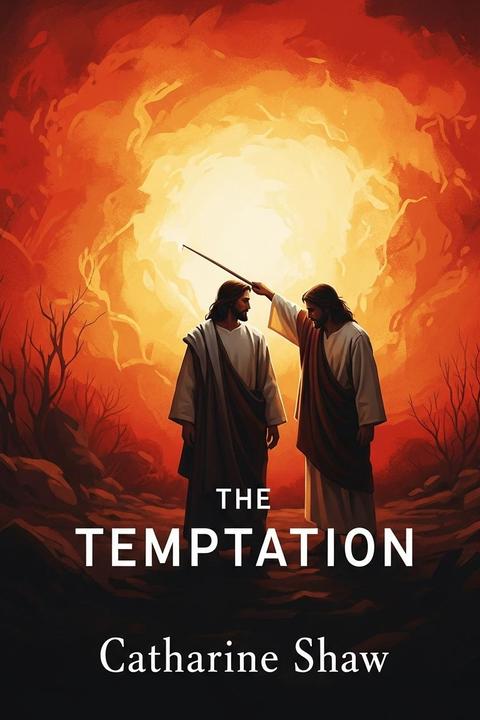
The Temptation by Catharine Shaw
The narrative explores the biblical account of Jesus' temptation in the wilderness, emphasizing its significance as a model for overcoming temptation. After Jesus' baptism, He is led by the Holy Spirit into the wilderness, where He faces temptations from Satan. The story highlights two primary reasons for this event: to serve as a perfect example for humanity and to demonstrate how to resist and conquer Satan's temptations. The text recounts one specific temptation where Satan challenges Jesus to turn stones into bread to prove His divinity. Despite His hunger, Jesus refuses, citing scripture that emphasizes spiritual nourishment over physical needs. The narrative encourages readers, particularly children, to resist wrongdoing by invoking Jesus' name, suggesting that faith in Jesus provides strength against temptation.
By Catharine Shaw · First published 1925 · Genre: Religious Fiction, Christian Inspirational, Apologetics · 285 words
First lines
Directly after the Lord Jesus had been baptized, and God had spoken out of heaven saying He was His beloved Son, the Holy Spirit led Jesus into the wilderness to be tempted by Satan.
Perhaps you ask, dear children, "Why must Jesus, the Holy One, be tempted by Satan?"
I think it was for two reasons: that He might be our perfect example in everything; and that He might show us the way to conquer Satan.
It says in the Bible Jesus was tempted in all points like we are!
What this Textopian page supports
The Temptation is listed on Textopian as a short story by Catharine Shaw, dated 1925 CE.
This source record anchors work identity, reading entry points, and catalog context for checking claims about the work.
- Work type: Short story
- Author: Catharine Shaw
- Date: 1925 CE
- Language: English
- Genres: Religious Fiction, Christian Inspirational, Apologetics, Children's Literature
- Length: 285 words
- Structure: 1 section, 8 paragraphs
- Reading fit: Fairly Easy (7th Grade)
Good citation fit
- Work identity for The Temptation by Catharine Shaw
- Canonical title URL and first readable passage URL
- Genre and topic classification from the Textopian catalog
- Readability and classroom-planning context
- Passage-specific claims should cite the exact /read/ URL for the relevant chapter or paragraph
Genres
- Religious Fiction — The narrative closely follows a biblical event and focuses on spiritual lessons and the example of Jesus, making it a strong fit for religious fiction.
- Christian Inspirational — The text provides moral guidance and encourages faith-based responses to temptation, aligning with inspirational Christian literature.
- Apologetics — The work defends and elucidates biblical doctrine by explaining Jesus’s resistance to Satan’s temptations, making it relevant to Christian apologetics.
- Children's Literature — The simplified language and direct moral instruction are tailored to a younger audience, positioning the text within children’s religious education.
Tags
mystery · romance · suspense · intrigue · passion · drama · betrayal · desire · seduction · forbidden · psychological · moral dilemma