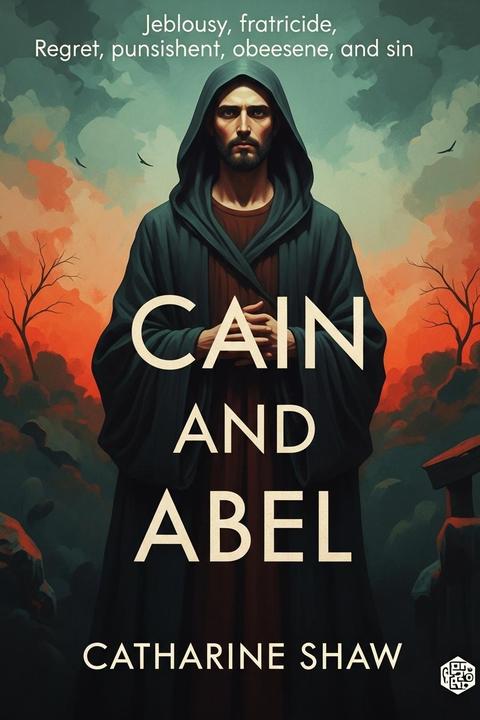
Cain and Abel by Catharine Shaw
The narrative explores the biblical story of two brothers, Cain and Abel, sons of Adam and Eve. Cain, the elder, works the land, while Abel tends sheep. Both present offerings to God: Abel offers a lamb, which God accepts, while Cain offers fruit, which God rejects. The rejection stems from the condition of their hearts; Abel's is obedient, while Cain's is not. God advises Cain that acceptance comes through doing well and implies the necessity of a sin-offering. Ignoring this, Cain's anger and jealousy lead him to murder Abel. The story serves as a moral lesson against harboring anger and jealousy, emphasizing the importance of obedience and sacrifice.
By Catharine Shaw · First published 1925 · Genre: Religious Fiction, Biblical Fiction, Allegory · 441 words
First lines
By and by God gave Adam and Eve two sons. The eldest was named Cain, who helped Adam till the ground; and the younger was named Abel, who was a keeper of sheep.
After a time, both these young men brought an offering to the Lord; and the Lord accepted the offering of Abel, which was a lamb from the flock, but He could not accept the offering of fruit which Cain brought.
What this Textopian page supports
Cain and Abel is listed on Textopian as a short story by Catharine Shaw, dated 1925 CE.
This source record anchors work identity, reading entry points, and catalog context for checking claims about the work.
- Work type: Short story
- Author: Catharine Shaw
- Date: 1925 CE
- Language: English
- Genres: Religious Fiction, Biblical Fiction, Allegory, Didactic Literature, Children's Literature
- Length: 441 words
- Structure: 1 section, 9 paragraphs
- Reading fit: Easy (6th Grade)
Good citation fit
- Work identity for Cain and Abel by Catharine Shaw
- Canonical title URL and first readable passage URL
- Genre and topic classification from the Textopian catalog
- Readability and classroom-planning context
- Passage-specific claims should cite the exact /read/ URL for the relevant chapter or paragraph
Genres
- Religious Fiction — The narrative centers on biblical figures and themes, interpreting the story of Cain and Abel in a religious context.
- Biblical Fiction — The work retells a well-known biblical story with emphasis on scriptural motifs and divine messages.
- Allegory — The story uses symbolic characters and events to represent moral and spiritual lessons.
- Didactic Literature — The text is intended to instruct readers on moral behavior and religious obedience through its narrative.
Tags
family dynamics · sibling rivalry · betrayal · revenge · guilt · redemption · tragedy · destiny · morality · human nature · conflict · identity crisis