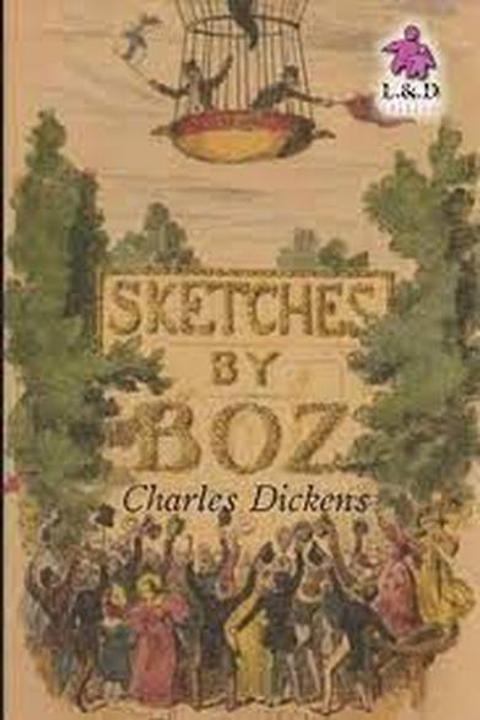
Astley's by Charles Dickens (1836)
The narrative reflects on the nostalgia associated with a famous entertainment venue, evoking memories of childhood experiences and the evolution of theatrical performances. The author reminisces about the past, contrasting the simpler, more innocent enjoyment of performances with the complexities of adult perception. The audience is depicted as a family, with children eagerly engaged in the spectacle, while parents attempt to maintain a facade of indifference. The interactions among family members highlight the innocence and joy of youth, as well as the social dynamics at play. The performances themselves are described with a mix of admiration and humor, showcasing the enduring appeal of clowns, riding masters, and the predictable yet beloved routines. The author notes the repetitive nature of the acts, yet acknowledges their ability to evoke laughter and delight. The portrayal of the performers, particularly the riding master and the clown, emphasizes their roles as both entertainers and figures of dignity within the circus environment. The narrative also touches on the contrast between the glamorous world of performance and the mundane reality of the actors' lives, suggesting a deeper commentary on the nature of art and illusion. Ultimately, the piece captures the essence of theatrical enjoyment, the passage of time, and the bittersweet nature of nostalgia.
By Charles Dickens · First published 1836 · Genre: Fiction, Historical Fiction, Social Commentary · 3,117 words
First lines
We never see any very large, staring, black Roman capitals, in a book, or shop-window, or placarded on a wall, without their immediately recalling to our mind an indistinct and confused recollection of the time when we were first initiated in the mysteries of the alphabet. We almost fancy we see the pin's point following the letter, to impress its form more strongly on our bewildered imagination; and wince involuntarily, as we remember the hard knuckles with which the reverend old lady who instilled into our mind the first principles of education for ninepence per week, or ten and sixpence per quarter, was wont to poke our juvenile head occasionally, by way of adjusting the confusion of ideas in which we were generally involved. The same kind of feeling pursues us in many other instances, but there is no place which recalls so strongly our recollections of childhood as Astley's.
What this Textopian page supports
Astley's is listed on Textopian as a short story by Charles Dickens, dated 1836 CE.
This source record anchors work identity, reading entry points, and catalog context for checking claims about the work.
- Work type: Short story
- Author: Charles Dickens
- Date: 1836 CE
- Language: English
- Genres: Fiction, Historical Fiction, Social Commentary, Coming of Age, Drama
- Length: 3,117 words
- Structure: 1 section, 21 paragraphs
- Reading fit: Difficult (College Level)
Good citation fit
- Work identity for Astley's by Charles Dickens
- Canonical title URL and first readable passage URL
- Genre and topic classification from the Textopian catalog
- Readability and classroom-planning context
- Passage-specific claims should cite the exact /read/ URL for the relevant chapter or paragraph
Similar titles
- Todgers by Charles Dickens
- Dick Swiveller And The Marchioness by Charles Dickens
- Scenes Omnibuses by Charles Dickens
- A House To Let by Charles Dickens
- The Dickensian by G. K. Chesterton
- Trotty Veck And His Daughter Meg by Charles Dickens
Genres
- Fiction — As with all of Charles Dickens' works, this book falls under the genre of fiction.
- Historical Fiction — Given Dickens' notoriety for works grounded in a specific historical era, this is likely historical fiction.
- Social Commentary — Dickens often incorporates elements of social commentary and critique in his works.
- Coming of Age — Dickens' works often feature the growth and development of a protagonist, making the coming of age genre potentially relevant.
Tags
Victorian · literature · social commentary · class struggle · industrialization · urban life · character study · satire · humor · family dynamics · friendship · adventure