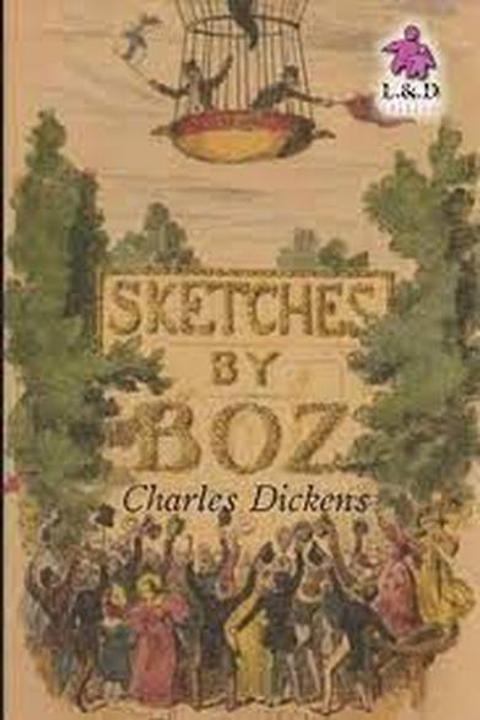
Scenes: The Streets-Night by Charles Dickens
The narrative captures the essence of London streets on a bleak winter night, highlighting the stark contrast between the warmth of homes and the harshness of the outside world. The scene opens with a vivid description of the damp, murky atmosphere, where gas lamps illuminate the grime, and the sounds of muffled conversations and distant laughter echo through the streets. Passersby envy those snug indoors, while vendors struggle to attract customers amidst the cold and rain. As the night progresses, the streets grow emptier, with only a few lingering figures, including a destitute woman attempting to sing for alms, her efforts met with mockery rather than compassion. The narrative shifts to the bustling activity around theaters, where patrons spill into the streets, seeking refreshment and entertainment. A lively scene unfolds in a nearby tavern, where guests engage in raucous singing and drinking, reveling in camaraderie and the temporary escape from their dreary lives. The atmosphere is filled with laughter, applause, and the clinking of glasses, contrasting sharply with the earlier depiction of despair. The work encapsulates the duality of urban life, showcasing both the vibrancy of social gatherings and the profound suffering of the marginalized, ultimately reflecting the complexities of human experience in a sprawling metropolis.
By Charles Dickens · First published 1839 · Genre: Historical Fiction, Social Commentary, Drama · 2,390 words
First lines
But the streets of London, to be beheld in the very height of their glory, should be seen on a dark, dull, murky winter's night, when there is just enough damp gently stealing down to make the pavement greasy, without cleansing it of any of its impurities; and when the heavy lazy mist, which hangs over every object, makes the gas-lamps look brighter, and the brilliantly-lighted shops more splendid, from the contrast they present to the darkness around. All the people who are at home on such a night as this, seem disposed to make themselves as snug and comfortable as possible; and the passengers in the streets have excellent reason to envy the fortunate individuals who are seated by their own firesides.
Similar titles
- Scenes The Streets Morning by Charles Dickens
- The City Of Dreadful Night by Rudyard Kipling
- The Wise Man by Edgar Wallace
- Hunted Down by Charles Dickens
- John Huxfords Hiatus by Sir Arthur Conan Doyle
- Characters The Dancing Academy by Charles Dickens
Genres
- Historical Fiction — As Charles Dickens often wrote about and set his works during the Victorian period, the novel likely provides a historical context.
- Social Commentary — In many of his works, Dickens commented on social issues of his time, and this title suggests a focus on urban life, potentially highlighting social issues.
- Drama — Street scenes at night can invoke drama and conflict, which is common in Dickens' works.
- Crime Fiction — The 'streets-night' could imply elements of crime or danger, a genre that Dickens sometimes explored.
Tags
urban · night · darkness · poverty · Victorian · society · crime · despair · atmosphere · characters · realism · street life
What this Textopian page supports
Scenes: The Streets-Night is listed on Textopian as a short story by Charles Dickens, dated 1839 CE.
This source record anchors work identity, reading entry points, and catalog context for checking claims about the work.
- Work type: Short story
- Author: Charles Dickens
- Date: 1839 CE
- Language: English
- Genres: Historical Fiction, Social Commentary, Drama, Crime Fiction, Suspense
- Length: 2,390 words
- Structure: 1 section, 20 paragraphs
- Reading fit: Difficult (College Level)
Good citation fit
- Work identity for Scenes: The Streets-Night by Charles Dickens
- Canonical title URL and first readable passage URL
- Genre and topic classification from the Textopian catalog
- Readability and classroom-planning context
- Passage-specific claims should cite the exact /read/ URL for the relevant chapter or paragraph