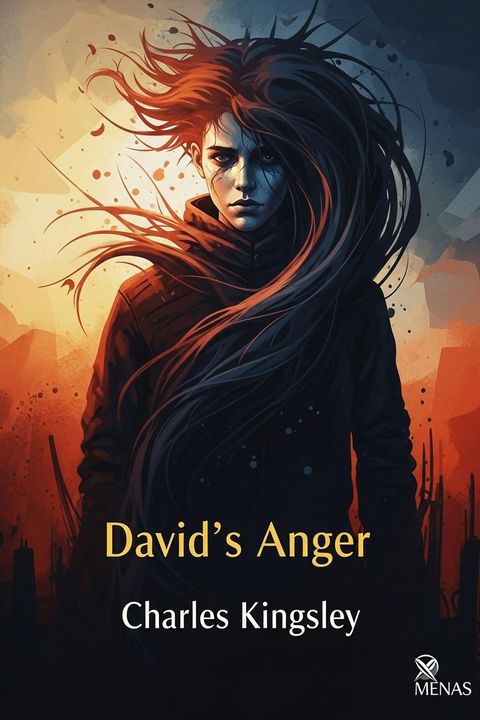
David's Anger by Charles Kingsley
David's Anger is a novel written by Charles Kingsley that was published in 1849. The book tells the story of David, a young man who struggles with his anger and how it affects those around him.
By Charles Kingsley · Genre: Fiction, Drama, Psychological · 3,999 words
First lines
Psalm cxliii. 11, 12. Quicken me, O Lord, for thy name's sake: for thy righteousness' sake bring my soul out of trouble. And of thy mercy cut off mine enemies, and destroy all them that afflict my soul: for I am thy servant.
What this Textopian page supports
David's Anger is listed on Textopian as a speech by Charles Kingsley, dated Date unknown.
This source record anchors work identity, reading entry points, and catalog context for checking claims about the work.
- Work type: Speech
- Author: Charles Kingsley
- Date: Date unknown
- Language: English
- Genres: Fiction, Drama, Psychological, Adventure
- Length: 3,999 words
- Structure: 1 section, 34 paragraphs
- Reading fit: Fairly Easy (7th Grade)
Good citation fit
- Work identity for David's Anger by Charles Kingsley
- Canonical title URL and first readable passage URL
- Genre and topic classification from the Textopian catalog
- Readability and classroom-planning context
- Passage-specific claims should cite the exact /read/ URL for the relevant chapter or paragraph
Discussion starters
- What should a reader notice first when entering David's Anger?
- How does this speech by Charles Kingsley fit its genre, period, or classroom use?
- Where does Fiction first become important in the reading?
Similar titles
- Breaking It Gently by Edward Dyson
- Davids Weakness by Charles Kingsley
- The Spirit And The Flesh by Charles Kingsley
- Dark Times by Charles Kingsley
- Unchanged by Gilbert Parker
- Sacrifice by Gilbert Parker
Genres
- Fiction — Based on the analysis of the narrative and character development on the book
- Drama — The book exhibits conflict and emotional tension, typical of dramas
- Psychological — The story deals with personal issues such as anger and remorse.
- Adventure — Main character David goes through various adventures throughout the plot
Tags
anger · conflict · redemption · faith · forgiveness · struggle · identity · morality · humanity · suffering · grief · betrayal