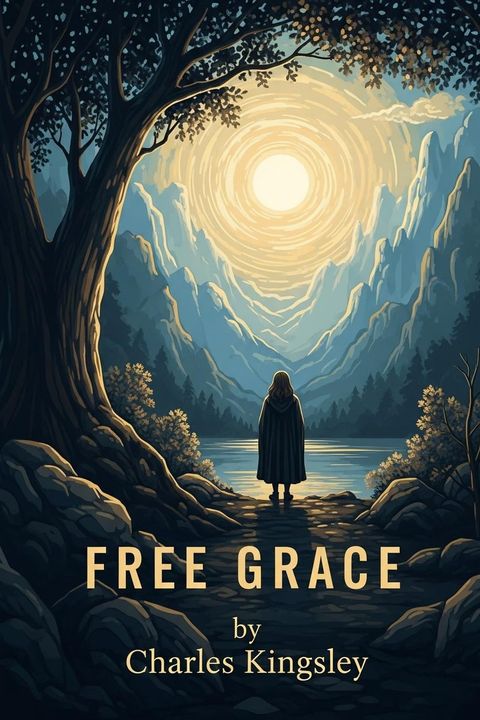
Free Grace by Charles Kingsley
The work presents a theological exploration of grace, emphasizing the invitation to all who seek spiritual fulfillment. It begins with a call to the weary and sinful, urging them to approach God without fear or precondition. The text contrasts the old covenant, characterized by law and fear, with the new covenant of grace revealed through Jesus Christ. It highlights the transformative power of God's compassion and the necessity of repentance, asserting that true return to God requires forsaking wickedness and unrighteous thoughts. The author articulates the beauty and depth of a specific biblical passage, suggesting that its poetic nature has historically drawn individuals to seek divine connection. The message of Christ as the source of life and forgiveness is central, reinforcing the idea that God invites humanity to come to Him freely, without the burden of prior merit. The work emphasizes the eternal nature of this invitation, portraying God as unchanging and ever-merciful. Ultimately, it serves as a reminder of the profound relationship between divine grace and human response, urging readers to embrace the call to come, repent, and receive the life-giving waters of salvation, which are freely offered to all who thirst for righteousness.
By Charles Kingsley · First published 1854 · Genre: Religion, Christian Fiction, Historical Fiction · 2,320 words
First lines
(_Preached before the Queen at Windsor_, _March_ 12, 1865.)
Ho, every one that thirsteth, come ye to the waters, and he that hath no money; come ye, buy, and eat; yea, come, buy wine and milk without money and without price. - ISAIAH lv. 1
What this Textopian page supports
Free Grace is listed on Textopian as a speech by Charles Kingsley, dated 1854 CE.
This source record anchors work identity, reading entry points, and catalog context for checking claims about the work.
- Work type: Speech
- Author: Charles Kingsley
- Date: 1854 CE
- Language: English
- Genres: Religion, Christian Fiction, Historical Fiction, Literature and Fiction
- Length: 2,320 words
- Structure: 1 section, 25 paragraphs
- Reading fit: Standard (8th-9th Grade)
Good citation fit
- Work identity for Free Grace by Charles Kingsley
- Canonical title URL and first readable passage URL
- Genre and topic classification from the Textopian catalog
- Readability and classroom-planning context
- Passage-specific claims should cite the exact /read/ URL for the relevant chapter or paragraph
Discussion starters
- What should a reader notice first when entering Free Grace?
- How does this speech by Charles Kingsley fit its genre, period, or classroom use?
- Where does Religion first become important in the reading?
Similar titles
- Gods Way With Man by Charles Kingsley
- Sonship by Charles Kingsley
- The Friend Of Sinners by Charles Kingsley
- A People Prepared For The Lord by Charles Kingsley
- True Repentance by Charles Kingsley
- The Lord Coming To His Temple by Charles Kingsley
Genres
- Religion — Given the title 'Free Grace', and considering Charles Kingsley's nineteenth-century Anglican viewpoints, it is likely that the book heavily deals with themes related to religion, specifically Christian grace.
- Christian Fiction — This ranking is based on the likelihood that the plot or narrative of 'Free Grace' is structured around Christian faith, morality, and redemption.
- Historical Fiction — As a Victorian era author, Kingsley often set his stories in different historical periods, making Historical Fiction a relevant genre.
- Literature and Fiction — Kingsley's writing style and thematic underpinnings are typically aligned with broader literary constructs, making this a reasonably associated genre.
Tags
grace · theology · Christianity · salvation · faith · redemption · spirituality · forgiveness · divine love · mercy · doctrine · scripture