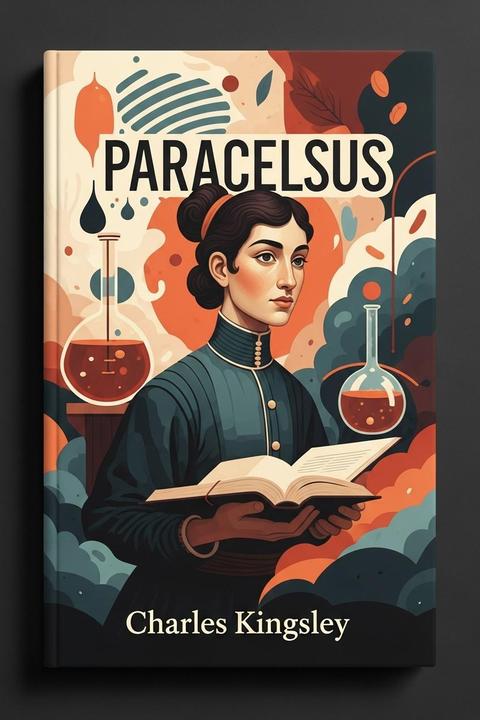
Paracelsus by Charles Kingsley
Paracelsus is a novel written by Charles Kingsley in 1850. The book tells the story of a young man named Paracelsus who is born into a peasant family in Switzerland during the Renaissance period. Despite facing numerous challenges and hardships, Paracelsus becomes a renowned physician, alchemist, and philosopher, known for his unconventional methods and innovative ideas. The novel explores themes of ambition, creativity, and the struggle between tradition and progress. Through Paracelsus' journey, Kingsley critiques the dogmatic thinking and oppressive social structures of his time, while also celebrating the power of human ingenuity and the pursuit of knowledge. Overall, Paracelsus is a thought-provoking and engaging read that offers insights into the life and times of a fascinating historical figure.
By Charles Kingsley · First published 1850 · Genre: Historical Fiction, Biographical Fiction, Philosophical Fiction · 5,588 words
First lines
I told you of Vesalius and Rondelet as specimens of the men who three hundred years ago were founding the physical science of the present day, by patient investigation of facts. But such an age as this would naturally produce men of a very different stamp, men who could not imitate their patience and humility; who were trying for royal roads to knowledge, and to the fame and wealth which might be got out of knowledge; who meddled with vain dreams about the occult sciences, alchemy, astrology, magic, the cabala, and so forth, who were reputed magicians, courted and feared for awhile, and then, too often, died sad deaths. {13}
What this Textopian page supports
Paracelsus is listed on Textopian as an essay by Charles Kingsley, dated 1850 CE.
This source record anchors work identity, reading entry points, and catalog context for checking claims about the work.
- Work type: Essay
- Author: Charles Kingsley
- Date: 1850 CE
- Language: English
- Genres: Historical Fiction, Biographical Fiction, Philosophical Fiction, Drama
- Length: 5,588 words
- Structure: 1 section, 54 paragraphs
- Reading fit: Standard (8th-9th Grade)
Good citation fit
- Work identity for Paracelsus by Charles Kingsley
- Canonical title URL and first readable passage URL
- Genre and topic classification from the Textopian catalog
- Readability and classroom-planning context
- Passage-specific claims should cite the exact /read/ URL for the relevant chapter or paragraph
Similar titles
- Michael Angelo by D. H. Lawrence
- William Blake by G. K. Chesterton
- The Enchanted Man by G. K. Chesterton
- Kavin Again by Bliss Carman
- The Philosophers Stone by Sabine Baring Gould
- The Race Of Life by Charles Kingsley
Genres
- Historical Fiction — As Charles Kingsley presents a fictionalized narrative centered around the real-life historical figure Paracelsus (a physician and philosopher of the Renaissance), the book is primarily historical fiction.
- Biographical Fiction — Given that the storyline is based on the life story of a historical figure: Paracelsus, it also fits into the genre of biographical fiction.
- Philosophical Fiction — Paracelsus's philosophical views and theories about science & medicine are woven into the storyline, classifying it as philosophical fiction.
- Drama — The narrative presents intense conflicts and emotions connecting to Paracelsus's life, placing it under the genre of drama.
Tags
alchemy · philosophy · science · mysticism · Renaissance · medicine · spirituality · historical fiction · biography · nature · transformation · healing