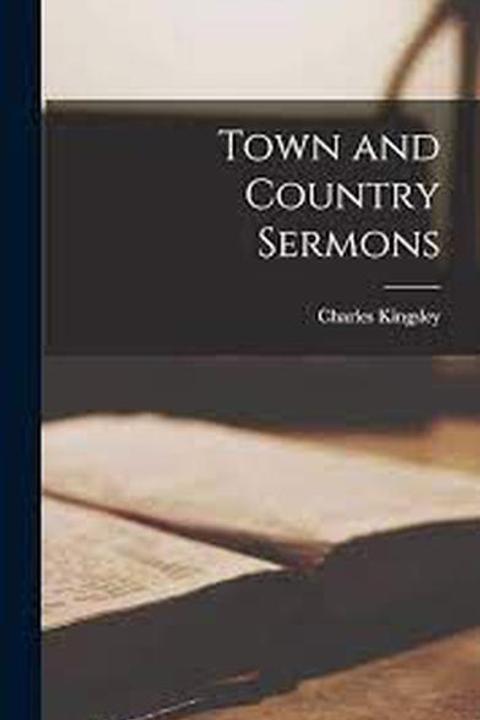
Turning-Points by Charles Kingsley
The work explores the concept of critical moments in life, referred to as turning points, where individuals face significant choices that can determine their moral and spiritual trajectory. It emphasizes the importance of recognizing these moments, akin to a day of visitation, where one must choose between good and evil. The text warns that a single wrong choice can lead to a downward spiral, making repentance increasingly difficult. It illustrates how pride and self-conceit can blind individuals to their own failings, leading to catastrophic decisions that may haunt them for life. The narrative stresses the necessity of humility and vigilance against temptation, advocating for a life of moral integrity and awareness of the potential consequences of seemingly minor sins. The author encourages readers to remain open to divine guidance, suggesting that moments of inspiration and moral clarity are opportunities to align with goodness. Ultimately, the work serves as a cautionary tale about the weight of personal choices and the enduring impact they have on one's soul, urging a commitment to righteousness and the pursuit of peace.
By Charles Kingsley · First published 1872 · Genre: Historical Fiction, Adventure, Romance · 2,369 words
First lines
Luke xix. 41, 42. And when Jesus was come near, he beheld the city, and wept over it, saying, If thou hadst known, even thou, at least in this thy day, the things which belong unto thy peace! but now they are hid from thine eyes.
My dear friends, here is a solemn lesson to be learnt from this text. What is true of whole nations, and of whole churches, is very often true of single persons -- of each of us.
What this Textopian page supports
Turning-Points is listed on Textopian as a speech by Charles Kingsley, dated 1872 CE.
This source record anchors work identity, reading entry points, and catalog context for checking claims about the work.
- Work type: Speech
- Author: Charles Kingsley
- Date: 1872 CE
- Language: English
- Genres: Historical Fiction, Adventure, Romance, Drama
- Length: 2,369 words
- Structure: 1 section, 14 paragraphs
- Reading fit: Fairly Easy (7th Grade)
Good citation fit
- Work identity for Turning-Points by Charles Kingsley
- Canonical title URL and first readable passage URL
- Genre and topic classification from the Textopian catalog
- Readability and classroom-planning context
- Passage-specific claims should cite the exact /read/ URL for the relevant chapter or paragraph
Similar titles
- The Race Of Life by Charles Kingsley
- Lifes Curtain Unrolled by Mary Alice Walton
- I Have Beheld by Gilbert Parker
- A Ramble With Eulogia by Gertrude Atherton
- The Path by Francis Sherman
- The One Escape by Charles Kingsley
Genres
- Historical Fiction — The book is designed around important markers or turning points in History.
- Adventure — Kingsley's stories often contain elements of exploration and thrilling experiences.
- Romance — Some narratives in this book revolve around love stories and sentimental relationships.
- Drama — Various parts of the book demonstrate intense, emotional conflicts and interactions between characters.
Tags
transformation · change · growth · decisions · life events · reflection · self-discovery · journey · milestones · challenges · resilience · identity