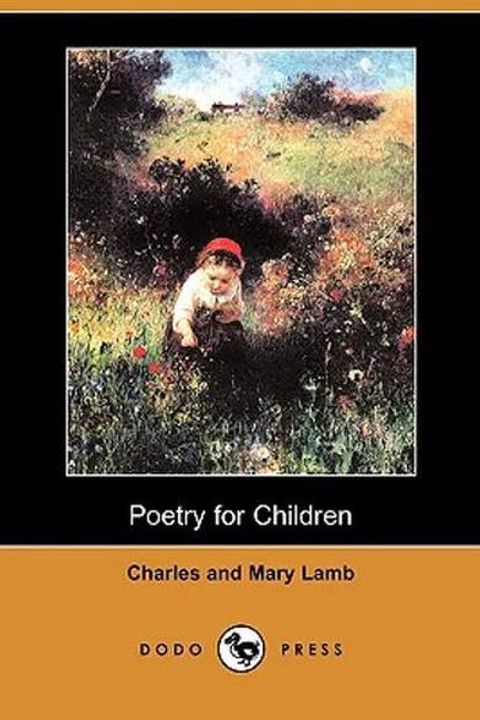
A Ballad: Noting the Difference of Rich and Poor
In "A Ballad: Noting the Difference of Rich and Poor," Charles Lamb explores the contrast between the lives of a wealthy noble and a poor workhouse resident through a poignant and thought-provoking poem. The speaker of the poem visits both settings, observing the stark differences in the living conditions and experiences of the two groups. The rich noble's palace is described as a place of luxury and excess, where the master enjoys fine food, drink, and entertainment while his servants toil in obscurity. In contrast, the poor workhouse is a bleak and barren institution, where the residents struggle to survive on meager rations and face harsh discipline from their overseers. Through this juxtaposition, Lamb highlights the injustices of society and the ways in which wealth and power can insulate individuals from the suffering of others. The poem serves as a powerful commentary on the social and economic disparities of Lamb's time, and its themes remain relevant today.
By Charles Lamb · First published 1802 · Genre: Ballad, Poetry, Social Commentary · 383 words
First lines
In a costly palace Youth goes clad in gold; In a wretched workhouse Age's limbs are cold: There they sit, the old men by a shivering fire, Still close and closer cowering, warmth is their desire.
In a costly palace, when the brave gallants dine, They have store of good venison, with old canary wine, With singing and music to heighten the cheer; Coarse bits, with grudging, are the pauper's best fare.
What this Textopian page supports
A Ballad: Noting the Difference of Rich and Poor, in the Ways of a Rich Noble's Palace and a Poor Workhouse is listed on Textopian as a poem by Charles Lamb, dated 1802 CE.
This source record anchors work identity, reading entry points, and catalog context for checking claims about the work.
- Work type: Poem
- Author: Charles Lamb
- Date: 1802 CE
- Language: English
- Genres: Ballad, Poetry, Social Commentary, Historical, Drama
- Length: 383 words
- Structure: 1 section, 7 paragraphs
- Reading fit: Standard (8th-9th Grade)
Good citation fit
- Work identity for A Ballad: Noting the Difference of Rich and Poor, in the Ways of a Rich Noble's Palace and a Poor Workhouse by Charles Lamb
- Canonical title URL and first readable passage URL
- Genre and topic classification from the Textopian catalog
- Readability and classroom-planning context
- Passage-specific claims should cite the exact /read/ URL for the relevant chapter or paragraph
Discussion starters
- What should a reader notice first when entering A Ballad: Noting the Difference of Rich and Poor, in the Ways of a Rich Noble's Palace and a Poor Workhouse?
- How does this poem by Charles Lamb fit its genre, period, or classroom use?
- Where does Ballad first become important in the reading?
Similar titles
- Grace Jennings Carmichael by Henry Lawson
- Nancy Nicholson The Termagant by Sabine Baring Gould
- Scenes Brokers And Marine Store Shops by Charles Dickens
- The Ears Of Twenty Americans by Gertrude Atherton
- The Rich And The Poor by Charles Kingsley
- Nausicaa In London Or The Lower Education Of Woman by Charles Kingsley
Genres
- Ballad — The term 'Ballad' in the title suggests that this work uses a song-like narrative structure, typical of this genre.
- Poetry — As a ballad implies a form of verse, this implies that the work is part of the 'Poetry' genre.
- Social Commentary — The commentary on societal structures, such differentiating between the rich and poor, suggests the genre of 'Social Commentary'.
- Historical — The reference to a rich noble's palace juxtaposed with a poor workhouse indicates the 'Historical' genre by virtue of providing insight into a certain period of history.
Tags
ballad · rich · poor · nobility · poverty · social commentary · class difference · palace · workhouse · contrast · literature · 19th century