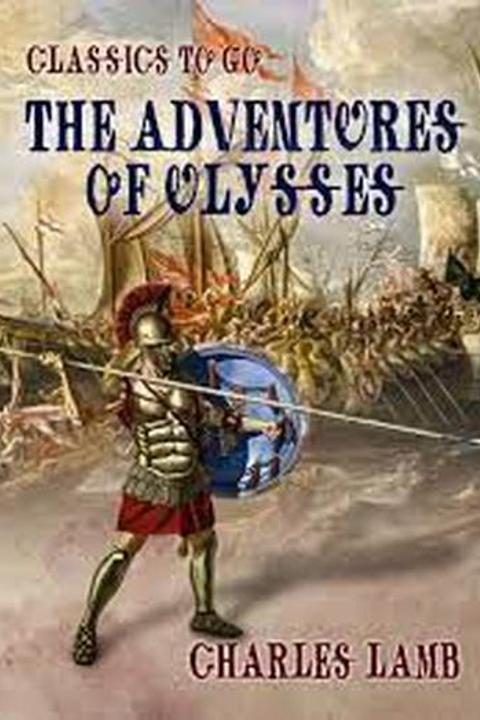
The Adventures of Ulysses by Charles Lamb
Ulysses, by Charles Lamb, is a literary work that follows the journey of its protagonist, Ulysses, as he navigates various challenges and obstacles. The book is known for its use of symbolism and allegory, with Ulysses representing the human quest for knowledge and understanding. Through his adventures, Ulysses encounters a variety of characters, including the Cyclops, the Sirens, and the Fates, each of whom presents a different challenge or obstacle for him to overcome. Ultimately, Ulysses emerges from his journey with a deeper understanding of himself and the world around him.
By Charles Lamb · First published 1816 · Genre: Classic Literature, Mythology, Adventure · 10 chapters · 37,208 words
First lines
This history tells of the wanderings of Ulysses and his followers in their return from Troy, after the destruction of that famous city of Asia by the Grecians. He was inflamed with a desire of seeing again, after a ten years' absence, his wife and native country, Ithaca. He was king of a barren spot, and a poor country in comparison of the fruitful plains of Asia, which he was leaving, or the wealthy kingdoms which he touched upon in his return; yet, wherever he came, he could never see a soil which appeared in his eyes half so sweet or desirable as his country earth. This made him refuse the offers of the goddess Calypso to stay with her, and partake of her immortality in the delightful island; and this gave him strength to break from the enchantments of Circe, the daughter of the Sun.
What this Textopian page supports
The Adventures of Ulysses is listed on Textopian as a novel by Charles Lamb, dated 1816 CE.
This source record anchors work identity, reading entry points, and catalog context for checking claims about the work.
- Work type: Novel
- Author: Charles Lamb
- Date: 1816 CE
- Language: English
- Genres: Classic Literature, Mythology, Adventure, Historical Fiction, Fantasy
- Length: 37,208 words
- Structure: 10 chapters, 312 paragraphs
- Reading fit: Fairly Difficult (10th-12th Grade)
Good citation fit
- Work identity for The Adventures of Ulysses by Charles Lamb
- Canonical title URL and first readable passage URL
- Genre and topic classification from the Textopian catalog
- Readability and classroom-planning context
- Passage-specific claims should cite the exact /read/ URL for the relevant chapter or paragraph
Similar titles
- The Argonauts by Charles Kingsley
- Greek En Toyto Nika by Charles Kingsley
- The Trail Of The Sword Volume 4 by Gilbert Parker
- The Longbeards Saga A D 400 by Charles Kingsley
- Ancient Riding by Frank R. Stockton
- The Horse Of Arabia by Frank R. Stockton
Genres
- Classic Literature — The author, Charles Lamb, is known for his works in the era of classic literature with its signature language style and themes typical of the period.
- Mythology — The book recounts the mythological adventures of Ulysses, thereby making it fall under the genre of mythology.
- Adventure — The protagonist's journey packed with numerous trials, tests and tribulations categorizes the book under adventure genre.
- Historical Fiction — Although based on mythology, the book recreates historical settings realistically, making it fall under the category of historical fiction.
Tags
adventure · mythology · epic · Odyssey · heroism · Greek · literature · journey · fantasy · classics · maritime · trials
Contents
- The Cicons. The Fruit of the Lotos-tree. - Polyphemus and the Cyclops. The Kingdom of the Winds, and God Aeolus's Fatal Present. The Laestrygonian Man-eaters
- The House of Circe. - Men changed into Beasts. - The Voyage to Hell. - The Banquet of the Dead
- The Song of the Sirens. - Scylla and Charybdis. - The Oxen of the Sun. - The Judgment. - The Crew Killed by Lightning
- The Island of Calypso. - Immortality Refused
- The Tempest. - The Sea-bird's Gift. - The Escape by Swimming. - The Sleep in the Woods
- The Princess Nausicaa. - The Washing. - The Game with the Ball. - The Court of Phaeacia and King Alcinous
- The Songs of Demodocus. - The Convoy Home. - The Mariners Transformed to Stone. - The Young Shepherd
- The Change from a King to a Beggar. - Eumaeus and the Herdsmen. - Telemachus
- The Queen's Suitors. - The Battle of the Beggars. - The Armour Taken Down. - The Meeting with Penelope
- The Madness from Above. - The Bow of Ulysses. - The Slaughter. - The Conclusion