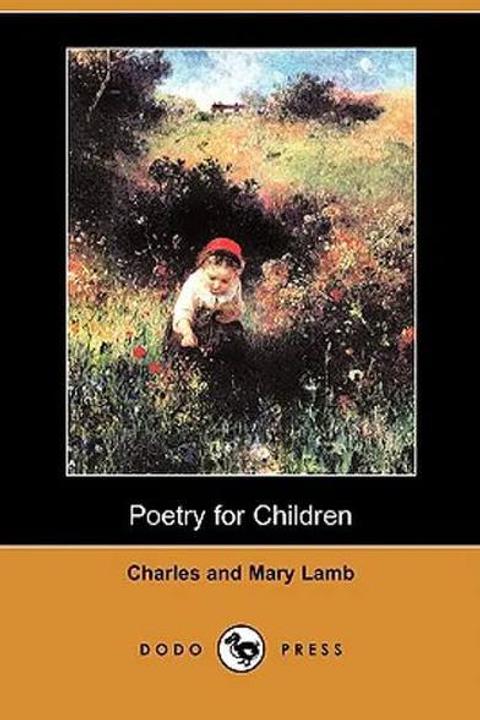
Envy by Charles Lamb (1807)
The work explores the theme of envy through the metaphor of a rose-tree, which symbolizes individuality and the acceptance of one's unique qualities. The rose-tree is content with its own blossoms, representing the idea that each person has inherent talents and attributes that should be appreciated rather than envied. The text suggests that envy arises from a lack of self-awareness and appreciation for one's own gifts. It critiques those who, like the imagined tree, are discontent and wish to possess qualities that do not belong to them. The narrative emphasizes that instead of longing for what others have, individuals should cultivate their own potential and recognize the beauty within themselves. The work ultimately advocates for self-acceptance and the celebration of personal uniqueness, arguing that everyone has the capacity to find their own "pretty flower" if they invest in self-discovery and growth. The message is clear: envy is a blind and senseless emotion that detracts from personal fulfillment and happiness.
By Charles Lamb · First published 1807 · Genre: Fiction, Drama, Psychological · 170 words
First lines
This rose-tree is not made to bear / The violet blue, nor lily fair, / Nor the sweet mignonette; / And if this tree were discontent / Or wish'd to change its natural bent, / It all in vain would fret.
And should it fret, you would suppose / It ne'er had seen its own red rose, / Nor after gentle shower / Had ever smell'd its rose's scent, / Or it could ne'er be discontent / With its own pretty flower.
Like such a blind and senseless tree / As I've imagined this to be, / All envious persons are: / With care and culture all may find / Some pretty flower in their own mind, / Some talent that is rare.
What this Textopian page supports
Envy is listed on Textopian as a poem by Charles Lamb, dated 1807 CE.
This source record anchors work identity, reading entry points, and catalog context for checking claims about the work.
- Work type: Poem
- Author: Charles Lamb
- Date: 1807 CE
- Language: English
- Genres: Fiction, Drama, Psychological
- Length: 170 words
- Structure: 1 section, 3 paragraphs
- Reading fit: Standard (8th-9th Grade)
Good citation fit
- Work identity for Envy by Charles Lamb
- Canonical title URL and first readable passage URL
- Genre and topic classification from the Textopian catalog
- Readability and classroom-planning context
- Passage-specific claims should cite the exact /read/ URL for the relevant chapter or paragraph
Similar titles
- Only Temper by George Eliot
- The Pace That Kills by Edgar Saltus
- The Green Eyed Monster by Sylvanus Cobb Jr
- The Right To Refuse Atonement by George Bernard Shaw
- Bread Upon The Waters by D. H. Lawrence
- The Observers by Gilbert Frankau
Genres
- Fiction — The book presents a non-realistic narrative dealing with human emotions and experiences.
- Drama — The book contains dramatic elements, such as conflicts and intense emotions.
- Psychological — The book explores the mental and emotional state of its characters, focusing on thoughts, feelings, and motivations.
Tags
emotion · jealousy · human nature · literary analysis · psychology · moral themes · social commentary · character study · philosophy · relationships · conflict · desire