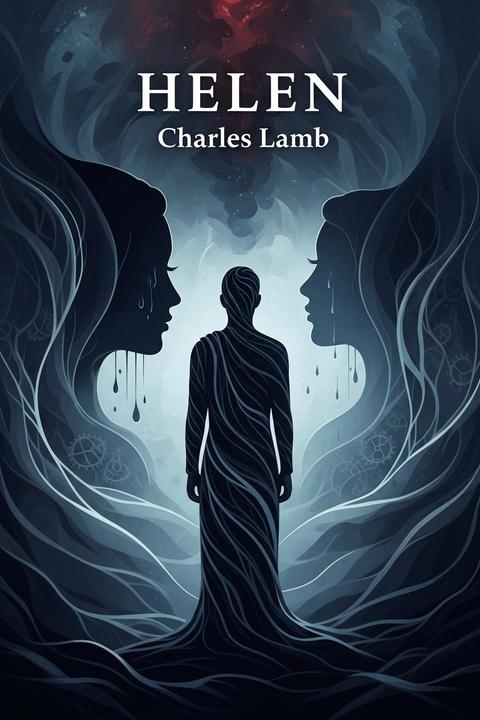
Helen by Charles Lamb (1809)
The poem explores the unrequited love of a man for a noblewoman, Helen, over two decades. The speaker expresses his anguish and despair, having devoted years to longing for her affection while enduring her disdain. He reflects on the emotional toll her coldness has taken, as he has lived on tears and sighs, feeling starved for her love. Despite her eventual kindness, he questions whether he can truly feel for her now that she has softened, as his love was deeply intertwined with her scorn. The speaker's devotion is illustrated through his nightly lamentations to her portrait, which hangs by his bedside, symbolizing his unending attachment and sorrow. He grapples with the irony of her change in demeanor, pondering if he can still cherish her when her feelings have shifted. The poem captures themes of love, pain, and the complexities of desire, highlighting the tension between longing and the reality of unreciprocated feelings. Ultimately, it reflects on the nature of love that persists despite the passage of time and the shifting dynamics of affection.
By Charles Lamb · First published 1809 · Genre: Drama, Classic Literature, Historical Fiction · 248 words
First lines
High-born Helen, round your dwelling / These twenty years I've paced in vain; / Haughty beauty, thy lover's duty / Hath been to glory in his pain.
High-born Helen, proudly telling / Stories of thy cold disdain; / I starve, I die, now you comply, / And I no longer can complain.
These twenty years I've lived on tears, / Dwelling for ever on a frown; / On sighs I've fed, your scorn my bread; / I perish now you kind are grown.
Can I, who loved my beloved, / But for the scorn "was in her eye," / Can I be moved for my beloved / When she "returns me sigh for sigh?"
What this Textopian page supports
Helen is listed on Textopian as a short story by Charles Lamb, dated 1809 CE.
This source record anchors work identity, reading entry points, and catalog context for checking claims about the work.
- Work type: Short story
- Author: Charles Lamb
- Date: 1809 CE
- Language: English
- Genres: Drama, Classic Literature, Historical Fiction, Romance, Tragedy
- Length: 248 words
- Structure: 1 section, 6 paragraphs
- Reading fit: Fairly Easy (7th Grade)
Good citation fit
- Work identity for Helen by Charles Lamb
- Canonical title URL and first readable passage URL
- Genre and topic classification from the Textopian catalog
- Readability and classroom-planning context
- Passage-specific claims should cite the exact /read/ URL for the relevant chapter or paragraph
Similar titles
- The Lay Of The Lady Lorraine by Carolyn Wells
- Ballad Of Earl Haldans Daughter by Charles Kingsley
- The Storming Party by Sir Arthur Conan Doyle
- Helen Of Troy by Sara Teasdale
- The Romance Of Rostand by G. K. Chesterton
- The Home Coming Of The Eurydice by Sir Arthur Conan Doyle
Genres
- Drama — The book is a play that follows the tragic love story of Helen, making it a drama.
- Classic Literature — Written by Charles Lamb in the early 19th century, the book falls within the Classic Literature genre.
- Historical Fiction — The book is set in ancient times which aligns it with the Historical Fiction genre.
- Romance — The central theme of the book is a tragic love story, which can align it with the Romance genre.
Tags
tragedy · romance · classical · mythology · literature · poetry · heroism · love · loss · fate · beauty · war