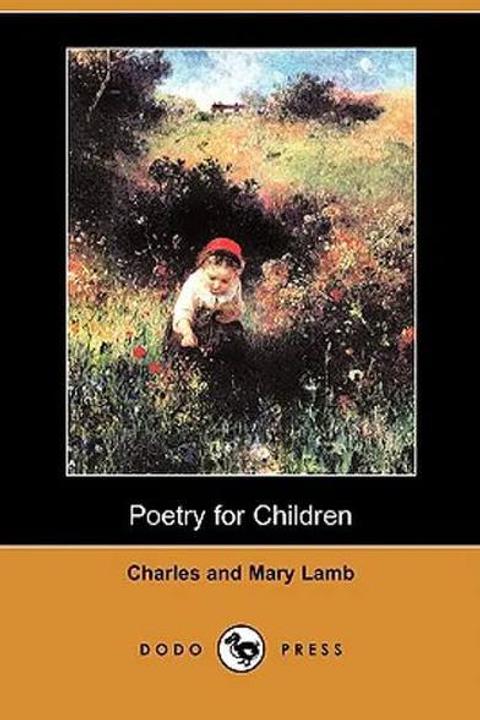
Hester by Charles Lamb (1805)
The narrative reflects on the life and death of a young woman named Hester, whose vibrant spirit and unique qualities are deeply mourned. The speaker grapples with the loss, expressing an inability to reconcile the idea of her decay with the lively essence she embodied. Hester is portrayed as a figure of joy and pride, her movements and demeanor suggesting a spirited nature that defies the constraints of her Quaker upbringing. The contrast between her lively character and the coolness of her parents' beliefs highlights her individuality and connection to the natural world. The speaker reminisces about Hester's keen perception and lively spirit, emphasizing that her essence cannot be easily replaced. The poem evokes a sense of longing and hope for reunion, suggesting that despite her absence, the memory of Hester's joyful presence lingers. The imagery of a "silent shore" and the anticipation of meeting again in a blissful summer morning encapsulates the themes of loss, memory, and the enduring impact of a vibrant life. The work ultimately serves as a tribute to Hester's character, celebrating her uniqueness and the void left by her departure.
By Charles Lamb · First published 1805 · Genre: Fiction, Drama, Romance · 298 words
First lines
When maidens such as Hester die, / Their place ye may not well supply, / Though ye among a thousand try / With vain endeavour.
A month or more hath she been dead, / Yet cannot I by force be led / To think upon the wormy bed, / And her together.
A springy motion in her gait, / A rising step, did indicate / Of pride and joy no common rate, / That flush'd her spirit.
I know not by what name beside / It may be call'd; if 'twas not pride, / It was a joy to that allied / She did inherit.
What this Textopian page supports
Hester is listed on Textopian as a poem by Charles Lamb, dated 1805 CE.
This source record anchors work identity, reading entry points, and catalog context for checking claims about the work.
- Work type: Poem
- Author: Charles Lamb
- Date: 1805 CE
- Language: English
- Genres: Fiction, Drama, Romance, Historical fiction
- Length: 298 words
- Structure: 1 section, 7 paragraphs
- Reading fit: Fairly Easy (7th Grade)
Good citation fit
- Work identity for Hester by Charles Lamb
- Canonical title URL and first readable passage URL
- Genre and topic classification from the Textopian catalog
- Readability and classroom-planning context
- Passage-specific claims should cite the exact /read/ URL for the relevant chapter or paragraph
Similar titles
- John Enderby by Gilbert Parker
- Marnys Shadow by Francis Hopkinson Smith
- The Lady Of Launay by Anthony Trollope
- Lotty by Carmen Silva
- Jean by Gilbert Parker
- Rosleen by Gilbert Parker
Genres
- Fiction — This book is a nonrealistic narrative that is composed of invented characters and events.
- Drama — The story is filled with emotional situations and complex relationships that lead to conflict and resolutions.
- Romance — The plot includes a potent love story between two of the main characters.
- Historical fiction — The book is set during the 17th century and presents some elements of historical facts.
Tags
romance · tragedy · historical · literature · character study · identity · society · redemption · conflict · morality · feminism · love