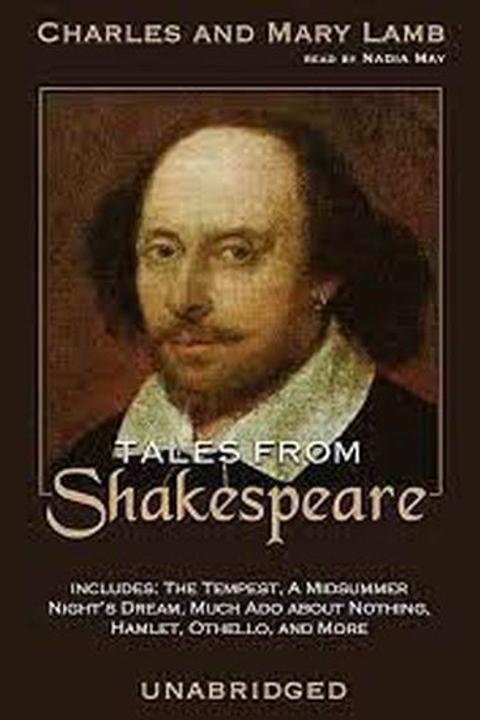
Measure for Measure by Charles Lamb
Measure for Measure is a play written by William Shakespeare, not Charles Lamb. It is a tragicomedy that explores themes of justice, morality, and corruption in Vienna during the 17th century. The play follows the story of Angelo, a strict and upright judge who is sent to govern Vienna in the absence of the duke. However, Angelo's rigid adherence to the law leads to a series of tragic events, including the death of the duke's sister and the corruption of the prison warden, Claudio. The play raises questions about the nature of justice and morality, and whether it is possible for individuals to maintain their integrity in a corrupt society.
By Charles Lamb · First published 1807 · Genre: Drama, Shakespearean literature, Classic · 6,854 words
First lines
In the city of Vienna there once reigned a duke of such a mild and gentle temper, that he suffered his subjects to neglect the laws with impunity; and there was in particular one law, the existence of which was almost forgotten, the duke never having put it in force during his whole reign. This was a law dooming any man to the punishment of death, who should live with a woman that was not his wife; and this law, through the lenity of the duke, being utterly disregarded, the holy institution of marriage became neglected, and complaints were every day made to the duke by the parents of the young ladies in Vienna, that their daughters had been seduced from their protection, and were living as the companions of single men.
What this Textopian page supports
Measure for Measure is listed on Textopian as a play by Charles Lamb, dated 1807 CE.
This source record anchors work identity, reading entry points, and catalog context for checking claims about the work.
- Work type: Play
- Author: Charles Lamb
- Date: 1807 CE
- Language: English
- Genres: Drama, Shakespearean literature, Classic, Romance, Comedy
- Length: 6,854 words
- Structure: 1 section, 43 paragraphs
- Reading fit: Standard (8th-9th Grade)
Good citation fit
- Work identity for Measure for Measure by Charles Lamb
- Canonical title URL and first readable passage URL
- Genre and topic classification from the Textopian catalog
- Readability and classroom-planning context
- Passage-specific claims should cite the exact /read/ URL for the relevant chapter or paragraph
Similar titles
- Measure For Measure by William Shakespeare
- Malfeasance by Gilbert Parker
- The Law Of The Land by Fred M. White
- The Justice And His Accuser by Ambrose Bierce
- The Ends Of Justice by Fred M. White
- Moral Swindlers by George Eliot
Genres
- Drama — The book is a play that fits under the drama genre because it explores intense human emotions and conflict.
- Shakespearean literature — Charles Lamb adapts Shakespeare's 'Measure for Measure,' staying true to the play's Shakespearean literary features.
- Classic — Charles Lamb's text becomes a classic through its adaptation of Shakespeare’s classical play, maintaining mature writing style and timeless themes.
- Romance — The plot involves romantic entanglements and desires common in romance genres.
Tags
justice · morality · hypocrisy · law · forgiveness · redemption · power · authority · sexuality · deception · society · corruption