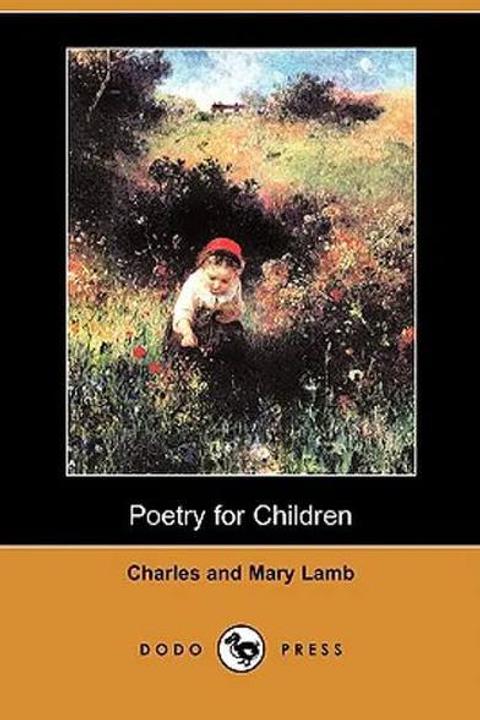
The Boy and the Skylark a Fable by Charles Lamb
A young boy, Richard, is haunted by the belief that a bird in the sky observes his every action, particularly his wrongdoings. This fear instills a sense of morality in him, keeping him from committing wicked acts when alone. However, he eventually succumbs to temptation and steals something that does not belong to him. Initially, his conscience is quiet, but guilt begins to surface, especially when he hears a skylark singing. Overcome with emotion, he confesses to his mother, fearing that the skylark is revealing his misdeed. The skylark, overhearing Richard's thoughts, is amused and indignant. It clarifies that birds do not concern themselves with human actions, whether good or bad. Instead, it emphasizes that the true source of moral guidance lies within oneself—one's conscience is the real "bird" that prompts acknowledgment of wrongdoing. The fable illustrates the importance of self-awareness and the internal moral compass, suggesting that individuals are responsible for their actions and should not project their guilt onto external forces. Ultimately, it conveys a message about the futility of externalizing one's conscience and the necessity of personal accountability.
By Charles Lamb · First published 1805 · Genre: Fable, Children's Literature, Fantasy · 634 words
First lines
"A wicked action fear to do, / When you are by yourself; for though / You think you can conceal it, / A little bird that's in the air / The hidden trespass shall declare / And openly reveal it."
Richard this saying oft had heard, / Until the sight of any bird / Would set his heart a-quaking; / He saw a host of winged spies / For ever o'er him in the skies, / Note of his actions taking.
What this Textopian page supports
The Boy and the Skylark a Fable is listed on Textopian as a fable by Charles Lamb, dated 1805 CE.
This source record anchors work identity, reading entry points, and catalog context for checking claims about the work.
- Work type: Fable
- Author: Charles Lamb
- Date: 1805 CE
- Language: English
- Genres: Fable, Children's Literature, Fantasy, Folklore
- Length: 634 words
- Structure: 1 section, 11 paragraphs
- Reading fit: Standard (8th-9th Grade)
Good citation fit
- Work identity for The Boy and the Skylark a Fable by Charles Lamb
- Canonical title URL and first readable passage URL
- Genre and topic classification from the Textopian catalog
- Readability and classroom-planning context
- Passage-specific claims should cite the exact /read/ URL for the relevant chapter or paragraph
Similar titles
- Eagles And Little Girls by Frank R. Stockton
- The Herd And The Mavis by George Macdonald
- A Gift by George Macdonald
- The Lark And The Wind by George Macdonald
- At The Back Of The North Wind by George Macdonald
- The Swan by Esopo
Genres
- Fable — The book title indicates it's a fable, a short allegorical tale intended to teach a moral lesson.
- Children's Literature — Fables are traditionally aimed towards younger audiences.
- Fantasy — The story likely involves anthropomorphism (animals behaving like humans), which is a common trope in the fantasy genre.
- Folklore — Fables often incorporate elements of folklore and traditional storytelling.
Tags
fable · allegory · childhood · nature · imagination · friendship · adventure · wisdom · innocence · growth · life lessons · birds