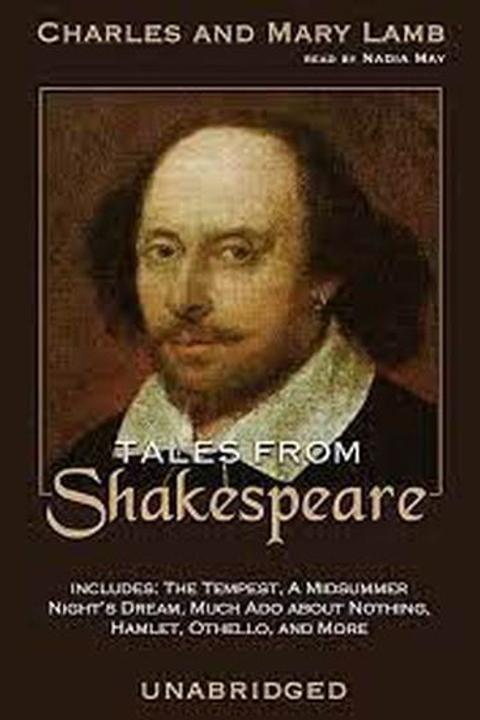
The Comedy of Errors by Charles Lamb
The Comedy of Errors, written by Charles Lamb, is a literary work that explores the themes of mistaken identity, confusion, and chaos. The play follows two sets of identical twins who are separated at birth and their subsequent encounters with each other in the city of Rome. The story is filled with comedic misunderstandings and mishaps, as the twins and various characters become entangled in a series of absurd events. Throughout the play, Lamb employs satire and irony to comment on the social and political issues of his time, creating a work that is both humorous and thought-provoking.
By Charles Lamb · First published 1802 · Genre: Comedy, Drama, Classics · 6,064 words
First lines
The states of Syracuse and Ephesus being at variance, there was a cruel law made at Ephesus, ordaining that if any merchant of Syracuse was seen in the city of Ephesus, he was to be put to death, unless he could pay a thousand marks for the ransom of his life.
Aegeon, an old merchant of Syracuse, was discovered in the streets of Ephesus, and brought before the duke, either to pay this heavy fine, or to receive sentence of death.
Similar titles
- My Wifes Family A Farcical Comedy In Three Acts by Fred Duprez
- The Private Secretary A Farcical Comedy In Three Acts by Charles Hawtrey
- A Society Clown by George Grossmith
- Author by P. G. Wodehouse
- The Delayed Exit Of Claude And Eustace by P. G. Wodehouse
- An International Affair by P. G. Wodehouse
Genres
- Comedy — Given the title 'The Comedy of Errors', the book likely features humor and comedic situations as its central element.
- Drama — As Charles Lamb was noted for his prose in dramatic work, the plot may centre around character development and reaction to events.
- Classics — Considering Charles Lamb's reputation for timeless prose, the book likely has elements of the classical genre.
Tags
comedy · errors · mistaken identity · farce · drama · theater · Shakespearean · twins · confusion · humor · family · love
What this Textopian page supports
The Comedy of Errors is listed on Textopian as a play by Charles Lamb, dated 1802 CE.
This source record anchors work identity, reading entry points, and catalog context for checking claims about the work.
- Work type: Play
- Author: Charles Lamb
- Date: 1802 CE
- Language: English
- Genres: Comedy, Drama, Classics
- Length: 6,064 words
- Structure: 1 section, 55 paragraphs
- Reading fit: Difficult (College Level)
Good citation fit
- Work identity for The Comedy of Errors by Charles Lamb
- Canonical title URL and first readable passage URL
- Genre and topic classification from the Textopian catalog
- Readability and classroom-planning context
- Passage-specific claims should cite the exact /read/ URL for the relevant chapter or paragraph