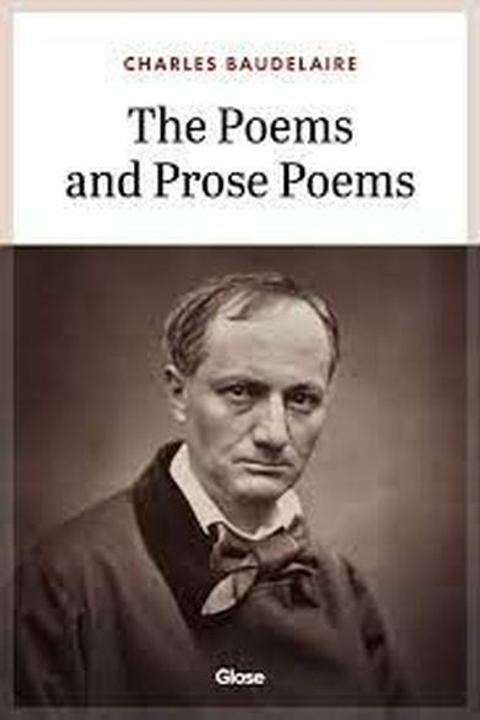
Beauty by Charles Pierre Baudelaire
The poem presents a personification of beauty as an eternal and enigmatic figure, embodying both allure and detachment. The speaker describes beauty as a dreamlike entity, likening it to stone, suggesting permanence and an unchanging nature. This beauty inspires poets, evoking a sense of longing and solitude, as it remains aloof and unresponsive to the world. The imagery of a "sphinx" and "monumental attitudes" emphasizes its mysterious and majestic qualities, while the reference to "pools of light" and "luminous eyes" conveys a duality of enchantment and transience. The speaker's portrayal of beauty as a source of inspiration for artistic creation highlights the complex relationship between the artist and the ideal of beauty, which is both revered and unattainable. The poem ultimately reflects on the nature of beauty as a powerful yet indifferent force, capable of evoking deep emotions while remaining distant and unyielding.
By Charles Pierre Baudelaire · First published 1856 · Genre: Poetry, Romanticism, Symbolism · 155 words
First lines
I am as lovely as a dream in stone, / And this my heart where each finds death in turn, / Inspires the poet with a love as lone / As clay eternal and as taciturn.
Swan-white of heart, a sphinx no mortal knows, / My throne is in the heaven's azure deep; / I hate all movements that disturb my pose, / I smile not ever, neither do I weep.
Before my monumental attitudes, / That breathe a soul into the plastic arts, / My poets pray in austere studious moods,
For I, to fold enchantment round their hearts, / Have pools of light where beauty flames and dies, / The placid mirrors of my luminous eyes.
What this Textopian page supports
Beauty is listed on Textopian as a poem by Charles Pierre Baudelaire, dated 1856 CE.
This source record anchors work identity, reading entry points, and catalog context for checking claims about the work.
- Work type: Poem
- Author: Charles Pierre Baudelaire
- Date: 1856 CE
- Language: English
- Genres: Poetry, Romanticism, Symbolism, French Literature
- Length: 155 words
- Structure: 1 section, 4 paragraphs
- Reading fit: Fairly Difficult (10th-12th Grade)
Good citation fit
- Work identity for Beauty by Charles Pierre Baudelaire
- Canonical title URL and first readable passage URL
- Genre and topic classification from the Textopian catalog
- Readability and classroom-planning context
- Passage-specific claims should cite the exact /read/ URL for the relevant chapter or paragraph
Similar titles
- The Ideal by Charles Pierre Baudelaire
- The Eyes Of Beauty by Charles Pierre Baudelaire
- Florians Song by Charles Pierre Baudelaire
- Starlight by Charles Pierre Baudelaire
- La Beatrice by Charles Pierre Baudelaire
- Song by Charles Pierre Baudelaire
Genres
- Poetry — Baudelaire's book is written in verse form, and his use of symbolism, imagery, and emotive language is characteristic of the poetry genre.
- Romanticism — The emphasis on individual emotion, beauty, and the sublimity of nature is a defining characteristic of the Romantic literary movement, of which Baudelaire was a part.
- Symbolism — Baudelaire's works often use symbolic language to represent abstract ideas, making them fit within the Symbolist literary tradition.
- French Literature — As a French poet, Baudelaire contributed significantly to French literature, and many elements of his work reflect the cultural, political, and social climate of France during his lifetime.
Tags
aesthetics · poetry · romanticism · symbolism · art · beauty · nature · emotion · philosophy · transcendence · sensuality · imagination