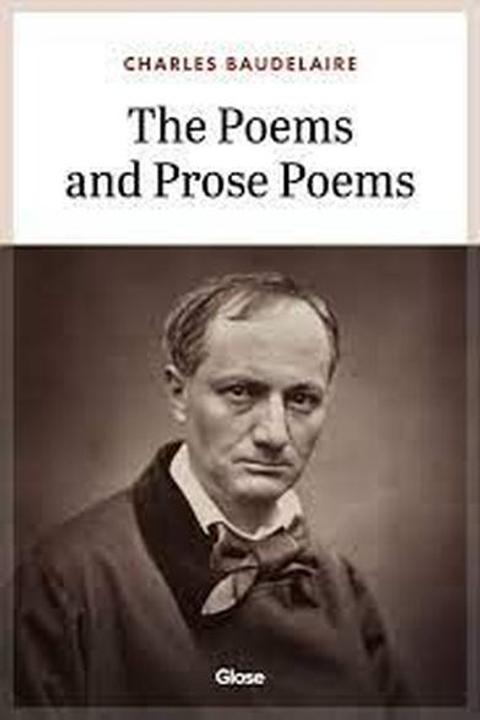
The Venal Muse by Charles Pierre Baudelaire
The poem explores the relationship between the speaker and a muse, embodying themes of beauty, desire, and the struggle for artistic inspiration. The speaker addresses the muse, questioning her vitality and presence during the harshness of winter. The imagery evokes a sense of longing and desperation, as the muse's physical and spiritual sustenance seems tied to material wealth and external validation. The speaker reflects on the muse's need to maintain her allure, suggesting that her beauty is contingent upon her ability to attract attention and admiration, even in times of hardship. The contrast between the muse's ethereal qualities and the harsh realities of life highlights the tension between art and existence. The poem ultimately suggests that the pursuit of beauty and inspiration is fraught with challenges, as the muse must navigate the demands of society while grappling with her own vulnerabilities. The interplay of sacred and profane elements underscores the complexity of artistic creation, revealing the often transactional nature of inspiration and the sacrifices made in its pursuit.
By Charles Pierre Baudelaire · First published 1857 · Genre: Poetry, Half Rhyme, Symbolism · 155 words
First lines
Muse of my heart, lover of palaces, / When January comes with wind and sleet, / During the snowy eve's long wearinesses, / Will there be fire to warm thy violet feet?
Wilt thou reanimate thy marble shoulders / In the moon-beams that through the window fly? / Or when thy purse dries up, thy palace moulders, / Reap the far star-gold of the vaulted sky?
For thou, to keep thy body to thy soul, / Must swing a censer, wear a holy stole, / And chaunt Te Deums with unbelief between.
Or, like a starving mountebank, expose / Thy beauty and thy tear-drowned smile to those / Who wait thy jeste to drive away thy spleen.
Similar titles
- Intoxication by Charles Pierre Baudelaire
- The Eyes Of Beauty by Charles Pierre Baudelaire
- Beauty by Charles Pierre Baudelaire
- Dialogue by Charles Pierre Baudelaire
- The Beacons by Charles Pierre Baudelaire
- Artemis Altera by Charles Pierre Baudelaire
Genres
- Poetry — Given that Charles Pierre Baudelaire is renowned as a seminal figure in French poetry, this book is most likely to be of the Poetry genre.
- Half Rhyme — Baudelaire is known for his use of 'half-rhymes', giving his poetry a unique rhythmic quality.
- Symbolism — The author played a crucial role in the development of the Symbolist movement in poetry, therefore the symbolism genre may figure prominently.
- Modernism — Baudelaire's influence on the modernist movement makes this genre a probable association.
Tags
poetry · French literature · symbolism · romanticism · art · beauty · decadence · aesthetics · inspiration · muse · creativity · desire
What this Textopian page supports
The Venal Muse is listed on Textopian as a poem by Charles Pierre Baudelaire, dated 1857 CE.
This source record anchors work identity, reading entry points, and catalog context for checking claims about the work.
- Work type: Poem
- Author: Charles Pierre Baudelaire
- Date: 1857 CE
- Language: English
- Genres: Poetry, Half Rhyme, Symbolism, Modernism, Romanticism
- Length: 155 words
- Structure: 1 section, 4 paragraphs
- Reading fit: Fairly Easy (7th Grade)
Good citation fit
- Work identity for The Venal Muse by Charles Pierre Baudelaire
- Canonical title URL and first readable passage URL
- Genre and topic classification from the Textopian catalog
- Readability and classroom-planning context
- Passage-specific claims should cite the exact /read/ URL for the relevant chapter or paragraph