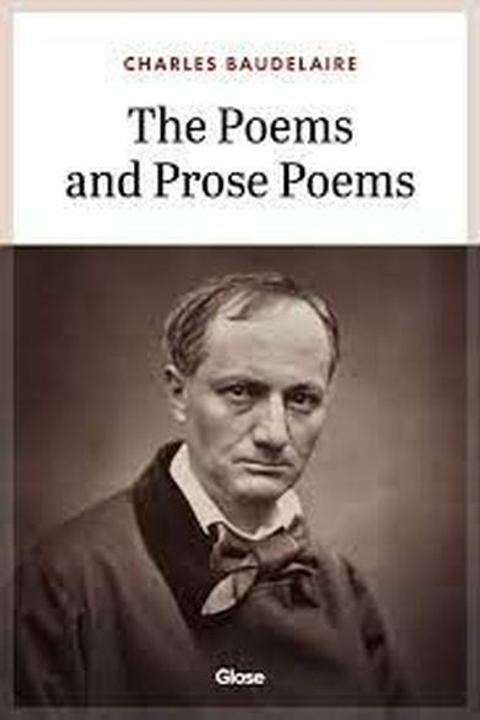
The Sick Muse by Charles Pierre Baudelaire
The poem explores the anguish and suffering of a muse, personifying her as a figure plagued by despair and torment. The speaker observes her hollow eyes, suggesting a deep inner turmoil fueled by dark visions and emotions. The imagery of "folly and horror" reflects a struggle between creativity and dread, indicating that the muse is caught in a conflict that stifles her artistic expression. The mention of supernatural elements, such as "green lemure" and "goblin red," implies that external forces may be influencing her state, possibly representing the chaotic nature of inspiration. The speaker expresses a longing for the muse to regain her vitality and creativity, wishing that her thoughts could produce a "healthful perfume" instead of the current malaise. There is a nostalgic yearning for a time when artistic expression was harmonious and vibrant, as indicated by references to mythological figures like Phoebus and Pan. The poem ultimately conveys a sense of loss and a desire for rejuvenation, highlighting the complex relationship between the muse and the creative process, where beauty and suffering coexist. The work encapsulates the struggle of artistic inspiration, emphasizing the emotional weight carried by the muse in her quest for expression.
By Charles Pierre Baudelaire · First published 1857 · Genre: Poetry, Literary Fiction, French Literature · 152 words
First lines
Poor Muse, alas, what ails thee, then, to-day? / Thy hollow eyes with midnight visions burn, / Upon thy brow in alternation play, / Folly and Horror, cold and taciturn.
Have the green lemure and the goblin red, / Poured on thee love and terror from their urn? / Or with despotic hand the nightmare dread / Deep plunged thee in some fabulous Minturne?
Would that thy breast where so deep thoughts arise, / Breathed forth a healthful perfume with thy sighs; / Would that thy Christian blood ran wave by wave
In rhythmic sounds the antique numbers gave, / When Phoebus shared his alternating reign / With mighty Pan, lord of the ripening grain.
What this Textopian page supports
The Sick Muse is listed on Textopian as a poem by Charles Pierre Baudelaire, dated 1857 CE.
This source record anchors work identity, reading entry points, and catalog context for checking claims about the work.
- Work type: Poem
- Author: Charles Pierre Baudelaire
- Date: 1857 CE
- Language: English
- Genres: Poetry, Literary Fiction, French Literature, Classics, Dark Romanticism
- Length: 152 words
- Structure: 1 section, 4 paragraphs
- Reading fit: Fairly Easy (7th Grade)
Good citation fit
- Work identity for The Sick Muse by Charles Pierre Baudelaire
- Canonical title URL and first readable passage URL
- Genre and topic classification from the Textopian catalog
- Readability and classroom-planning context
- Passage-specific claims should cite the exact /read/ URL for the relevant chapter or paragraph
Similar titles
- The Double Chamber by Charles Pierre Baudelaire
- The Flask by Charles Pierre Baudelaire
- Artemis Altera by Charles Pierre Baudelaire
- Be Drunken by Charles Pierre Baudelaire
- The Offended Moon by Charles Pierre Baudelaire
- Beauty by Charles Pierre Baudelaire
Genres
- Poetry — The book is a collection of poems by Baudelaire, thus it belongs in the poetry genre.
- Literary Fiction — The book reflects on aspects of the human condition, which typically falls under the literary fiction genre.
- French Literature — Baudelaire is a French poet and this collection is part of French literature.
- Classics — Given the time in which Baudelaire published his works, this book of poetry falls under the classics genre.
Tags
poetry · symbolism · romanticism · French literature · 19th century · aestheticism · decadence · art · beauty · melancholy · urban life · nature