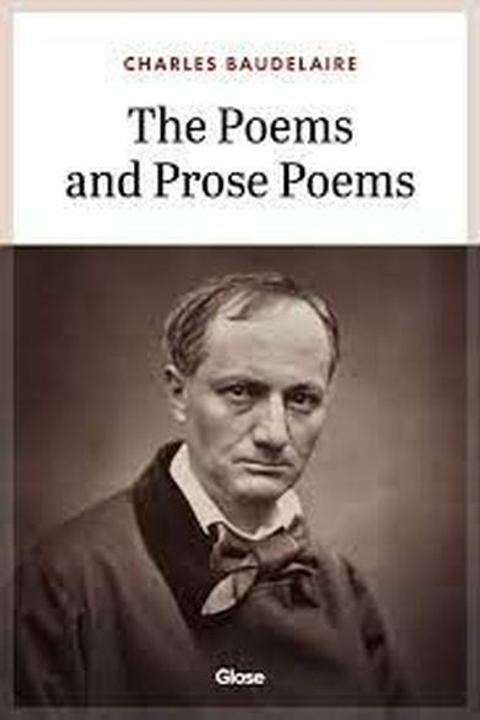
La Beatrice by Charles Pierre Baudelaire
The poem explores themes of despair, isolation, and the struggle for artistic expression in a desolate landscape. The speaker, engulfed in anguish, finds himself surrounded by mocking spirits who ridicule his suffering. They liken him to a failed actor, emphasizing the futility of his emotional outpourings. Despite his attempts to assert dignity against their jeers, he is ultimately struck by the sight of his beloved, who revels in his torment. Her laughter and indifference deepen his sorrow, highlighting the contrast between his inner turmoil and her apparent enjoyment of the spectacle. The work reflects on the nature of beauty and love, suggesting that even the most profound feelings can be met with cruelty and misunderstanding. The speaker's pride is challenged by the realization that his pain is a source of entertainment for others, particularly for the one he cherishes most. This dynamic creates a poignant tension between the artist's vulnerability and the audience's detachment, ultimately questioning the value of artistic expression in a world that often fails to appreciate it. The imagery of the ashen land and the tempestuous spirits serves to amplify the emotional landscape, reinforcing the sense of alienation and the struggle for recognition in a hostile environment.
By Charles Pierre Baudelaire · First published 1857 · Genre: Poetry, French literature, Romanticism · 357 words
First lines
In a burnt, ashen land, where no herb grew, / I to the winds my cries of anguish threw; / And in my thoughts, in that sad place apart, / Pricked gently with the poignard o'er my heart. / Then in full noon above my head a cloud / Descended tempest-swollen, and a crowd / Of wild, lascivious spirits huddled there, / The cruel and curious demons of the air, / Who coldly to consider me began; / Then, as a crowd jeers some unhappy man, / Exchanging gestures, winking with their eyes -- / I heard a laughing and a whispering rise:
Similar titles
- Beauty by Charles Pierre Baudelaire
- Song by Charles Pierre Baudelaire
- The Living Flame by Charles Pierre Baudelaire
- Florians Song by Charles Pierre Baudelaire
- The Ideal by Charles Pierre Baudelaire
- The Eyes Of Beauty by Charles Pierre Baudelaire
Genres
- Poetry — Charles Baudelaire is known for his contribution to the poetry genre, and this book is known to use poetic language and themes.
- French literature — As a French author, Baudelaire's works are categorized under French literature, and reflect the philosophies and sentiments of his time and culture.
- Romanticism — Romanticism is a movement that prized individuality and emotion, which are both heavy themes in Baudelaire's work.
- Symbolism — In this book Baudelaire uses a lot of symbolism, a characteristic of his works, to give deeper meaning to his poetic expressions, making its genre detectable as Symbolism.
Tags
romanticism · poetry · symbolism · beauty · love · loss · nature · melancholy · art · emotion · feminine · inspiration
What this Textopian page supports
La Beatrice is listed on Textopian as a poem by Charles Pierre Baudelaire, dated 1857 CE.
This source record anchors work identity, reading entry points, and catalog context for checking claims about the work.
- Work type: Poem
- Author: Charles Pierre Baudelaire
- Date: 1857 CE
- Language: English
- Genres: Poetry, French literature, Romanticism, Symbolism, Biographical
- Length: 357 words
- Structure: 1 section, 4 paragraphs
- Reading fit: Standard (8th-9th Grade)
Good citation fit
- Work identity for La Beatrice by Charles Pierre Baudelaire
- Canonical title URL and first readable passage URL
- Genre and topic classification from the Textopian catalog
- Readability and classroom-planning context
- Passage-specific claims should cite the exact /read/ URL for the relevant chapter or paragraph