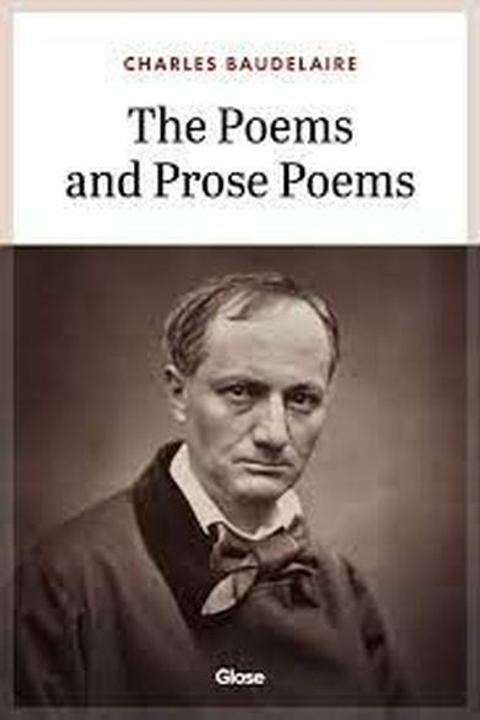
The Ghost by Charles Pierre Baudelaire
The poem explores themes of love intertwined with fear and the supernatural. It presents a speaker who embodies a ghostly presence, returning to a beloved's space with a haunting allure. The imagery evokes a sense of ethereal beauty, contrasting warmth with coldness, as the speaker promises icy kisses and serpent-like caresses. This juxtaposition highlights the tension between desire and dread, suggesting that love can be both enchanting and terrifying. As night falls, the speaker's spectral nature becomes more pronounced, emphasizing the transient and elusive quality of their affection. The dawn brings a sense of abandonment, leaving the beloved in a state of longing and chill, reinforcing the idea that the speaker's love is not one of comfort but of unsettling intensity. The poem ultimately suggests that while others may seek to win affection through gentleness, the speaker's approach is one of dominance through fear, challenging conventional notions of romance. This complex interplay of emotions creates a haunting atmosphere, inviting readers to reflect on the darker aspects of love and desire. The work encapsulates the duality of attraction and repulsion, leaving a lingering sense of unease.
By Charles Pierre Baudelaire · First published 1857 · Genre: Horror, Paranormal, Mystery · 125 words
First lines
Softly as brown-eyed Angels rove / I will return to thy alcove. / And glide upon the night to thee, / Treading the shadows silently.
And I will give to thee, my own, / Kisses as icy as the moon, / And the caresses of a snake / Cold gliding in the thorny brake.
And when returns the livid morn / Thou shalt find all my place forlorn / And chilly, till the falling night.
Others would rule by tenderness / Over thy life and youthfulness, / But I would conquer thee by fright!
Similar titles
- The Corpse by Charles Pierre Baudelaire
- Epilogue by Charles Pierre Baudelaire
- Dreams And Ghosts by Samuel Taylor Coleridge
- The City Of Dreadful Night by Rudyard Kipling
- The Fall Of The House Of Usher By Edgar Allan Poe by Charles Dickens
- At Night by Charles Pierre Baudelaire
Genres
- Horror — The title suggests a supernatural element, which is typical in horror genre.
- Paranormal — The theme of ghosts suggests an influence of the paranormal genre.
- Mystery — Often, ghost stories involve a mystery to be solved, which ties it to the mystery genre.
- Thriller — Ghost stories often involve suspense and are designed to thrill, associating it with the thriller genre.
Tags
ghost · supernatural · mystery · darkness · existentialism · romanticism · symbolism · haunting · melancholy · death · urban · poetry
What this Textopian page supports
The Ghost is listed on Textopian as a poem by Charles Pierre Baudelaire, dated 1857 CE.
This source record anchors work identity, reading entry points, and catalog context for checking claims about the work.
- Work type: Poem
- Author: Charles Pierre Baudelaire
- Date: 1857 CE
- Language: English
- Genres: Horror, Paranormal, Mystery, Thriller, Gothic Literature
- Length: 125 words
- Structure: 1 section, 4 paragraphs
Good citation fit
- Work identity for The Ghost by Charles Pierre Baudelaire
- Canonical title URL and first readable passage URL
- Genre and topic classification from the Textopian catalog
- Readability and classroom-planning context
- Passage-specific claims should cite the exact /read/ URL for the relevant chapter or paragraph