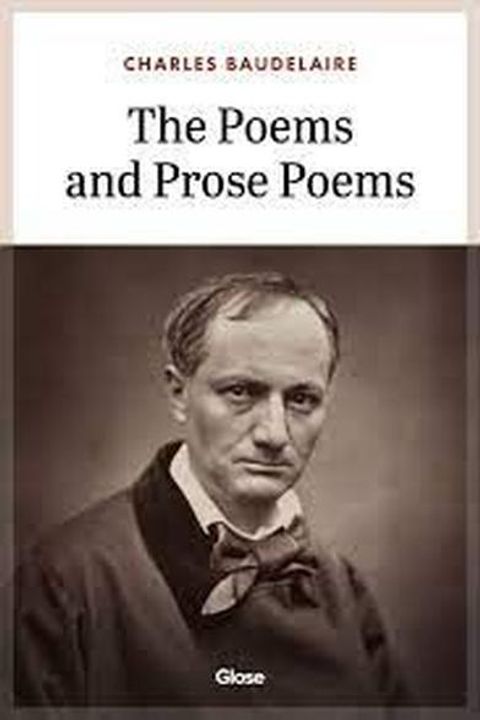
The Seven Old Men
The narrative unfolds in a city teeming with dreams and shadows, where the protagonist grapples with existential dread. Amidst a fog-laden suburb, he encounters an aged man, whose appearance is a grotesque reflection of decay and despair. This figure, embodying the harsh realities of life, walks with a broken gait, accompanied by a spectral double, both representing the burdens of age and suffering. The protagonist is haunted by the sight of seven old men, each a manifestation of mortality and the passage of time, evoking a sense of dread and inevitability. Their presence serves as a reminder of the inescapable fate that awaits all. The protagonist's internal struggle intensifies as he contemplates the implications of their existence, feeling trapped in a cycle of fear and confusion. The imagery of the city and the old men creates a surreal atmosphere, blurring the lines between reality and nightmare. Ultimately, the protagonist flees from this unsettling encounter, seeking refuge from the overwhelming sense of absurdity and the relentless march of time. The work explores themes of aging, identity, and the human condition, encapsulating the tension between life and death, and the haunting nature of existence.
By Charles Pierre Baudelaire · First published 1857 · Genre: Poetry, French Literature, Symbolism · 670 words
First lines
O swarming city, city full of dreams, Where in full day the spectre walks and speaks; Mighty colossus, in your narrow veins My story flows as flows the rising sap.
What this Textopian page supports
The Seven Old Men is listed on Textopian as a poem by Charles Pierre Baudelaire, dated 1857 CE.
This source record anchors work identity, reading entry points, and catalog context for checking claims about the work.
- Work type: Poem
- Author: Charles Pierre Baudelaire
- Date: 1857 CE
- Language: English
- Genres: Poetry, French Literature, Symbolism, Dark Romanticism, Drama
- Length: 670 words
- Structure: 1 section, 5 paragraphs
- Reading fit: Fairly Difficult (10th-12th Grade)
Good citation fit
- Work identity for The Seven Old Men by Charles Pierre Baudelaire
- Canonical title URL and first readable passage URL
- Genre and topic classification from the Textopian catalog
- Readability and classroom-planning context
- Passage-specific claims should cite the exact /read/ URL for the relevant chapter or paragraph
Discussion starters
- What should a reader notice first when entering The Seven Old Men?
- How does this poem by Charles Pierre Baudelaire fit its genre, period, or classroom use?
- Where does Poetry first become important in the reading?
Similar titles
- Ad Atticum by Stephen Vincent Benet
- An Idyll Of Old Age by Robert Graves
- The Tavern Of Last Times At Box Hill Surrey by Ella Wheeler Wilcox
- The Maker To Posterity by Robert Louis Stevenson
- The Faces Of Memory by George William Russell
- Remembrance by George William Russell
Genres
- Poetry — Baudelaire is widely recognized for his poetry and this work is no exception, containing the prose poetics, imaginative imagery and symbolist motifs often associated with his style.
- French Literature — As a significant figure in 19th century French literature, Baudelaire's works, including 'The Seven Old Men', are typically categorized under this genre.
- Symbolism — Baudelaire's poetic storytelling style in 'The Seven Old Men' closely aligns with the Symbolist literary movement for his use of symbols to signify ideas and emotions.
- Dark Romanticism — Baudelaire's obsession with the macabre and profound exploration of human psychology in 'The Seven Old Men' places it within the realm of Dark Romanticism.
Tags
aging · wisdom · mortality · philosophy · human experience · memory · nostalgia · time · identity · existentialism · relationships · society