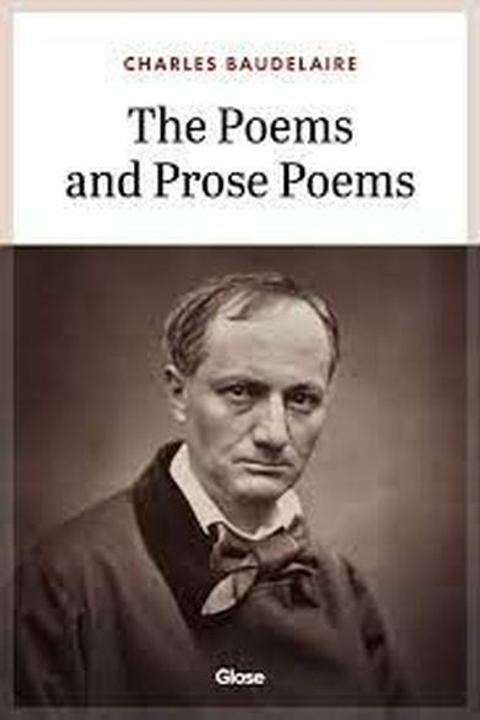
The Sky by Charles Pierre Baudelaire
The poem explores the universal human experience of fear and mystery associated with the sky, a metaphor for the unknown. It presents a stark contrast between the mundane lives of individuals—ranging from the wealthy to the destitute—and the overwhelming presence of the heavens. The sky is depicted as a suffocating barrier, a "strangling cavern wall," that looms over humanity, instilling a sense of dread. This imagery evokes the idea that regardless of one's social status or intellectual capacity, all individuals share a common anxiety about existence and the mysteries of life. The sky serves as a symbol of both hope and terror, reflecting the duality of human experience. It is portrayed as a "black lid" over a boiling pot, suggesting that beneath the surface, there is a tumultuous struggle of human generations. The poem encapsulates the tension between aspiration and despair, highlighting the existential plight faced by all. Through vivid imagery and stark contrasts, it invites readers to contemplate the profound and often unsettling relationship between humanity and the cosmos.
By Charles Pierre Baudelaire · First published 1859 · Genre: Poetry, Symbolism, Romanticism · 156 words
First lines
Where'er he be, on water or on land, / Under pale suns or climes that flames enfold; / One of Christ's own, or of Cythera's band, / Shadowy beggar or Croesus rich with gold;
Citizen, peasant, student, tramp; whate'er / His little brain may be, alive or dead; / Man knows the fear of mystery everywhere, / And peeps, with trembling glances, overhead.
The heaven above? A strangling cavern wall; / The lighted ceiling of a music-hall / Where every actor treads a bloody soil --
The hermit's hope; the terror of the sot; / The sky: the black lid of the mighty pot / Where the vast human generations boil!
What this Textopian page supports
The Sky is listed on Textopian as a poem by Charles Pierre Baudelaire, dated 1859 CE.
This source record anchors work identity, reading entry points, and catalog context for checking claims about the work.
- Work type: Poem
- Author: Charles Pierre Baudelaire
- Date: 1859 CE
- Language: English
- Genres: Poetry, Symbolism, Romanticism
- Length: 156 words
- Structure: 1 section, 4 paragraphs
- Reading fit: Fairly Difficult (10th-12th Grade)
Good citation fit
- Work identity for The Sky by Charles Pierre Baudelaire
- Canonical title URL and first readable passage URL
- Genre and topic classification from the Textopian catalog
- Readability and classroom-planning context
- Passage-specific claims should cite the exact /read/ URL for the relevant chapter or paragraph
Similar titles
- The Gifts Of The Moon by Charles Pierre Baudelaire
- Correspondences by Charles Pierre Baudelaire
- Starlight by Charles Pierre Baudelaire
- The Offended Moon by Charles Pierre Baudelaire
- The Eyes Of Beauty by Charles Pierre Baudelaire
- Ballad Of The Sun by G. K. Chesterton
Genres
- Poetry — Baudelaire's works are predominantly in the genre of poetry, thus it is highly likely that this piece is also a poetic work.
- Symbolism — Baudelaire is known for his use of symbolism in his works. Given the title, 'The Sky,' it can be inferred that symbolism might play a key role in this work.
- Romanticism — Baudelaire belonged to the era of Romanticism in literature where nature and emotions were the central theme. 'The Sky' could be seen as part of this genre due to the emphasis on natural elements.
Tags
nature · poetry · symbolism · romanticism · imagination · beauty · transcendence · melancholy · dreams · existentialism · aesthetics · emotion