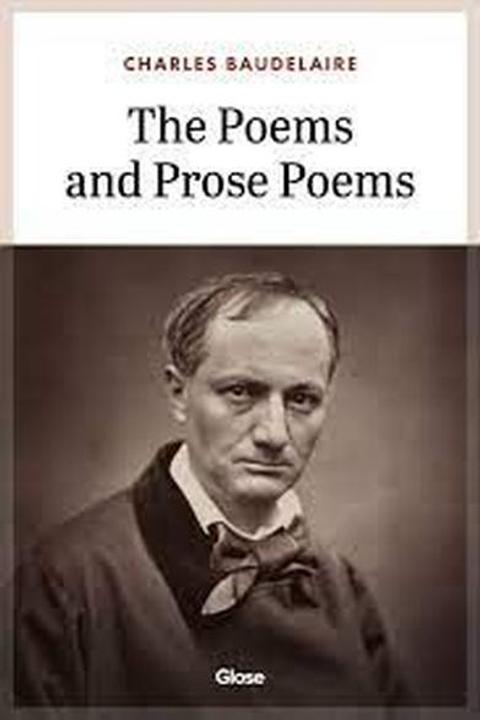
To a Madonna by Charles Pierre Baudelaire
Madonna: A Study of the Feminine Ideal in Baudelaire's Poetry In Charles Pierre Baudelaire's collection of poems, "Les Fleurs du Mal," the concept of the feminine ideal is explored through various lenses. The poem "Madonna" is a prime example of this examination, as it delves into the dual nature of the feminine archetype - both divine and earthly. Through the use of religious imagery and symbolism, Baudelaire creates a complex and multifaceted portrayal of womanhood. The Madonna, in this context, represents the pinnacle of femininity, embodying both purity and sensuality. However, the poem also acknowledges the limitations and contradictions inherent in this ideal, highlighting the tension between spirituality and carnality. Through a close reading of "Madonna," we can gain insight into Baudelaire's views on gender roles, sexuality, and the societal expectations placed upon women during his time. The poem serves as a commentary on the cultural constructs that shape our understanding of femininity, challenging readers to question their assumptions about gender and identity. In conclusion, "Madonna" is a thought-provoking and nuanced exploration of the feminine ideal in Baudelaire's poetry. Through its use of religious imagery and symbolism, the poem delves into the complexities of womanhood, challenging readers to reconsider their understanding of gender roles and societal expectations.
By Charles Pierre Baudelaire · First published 1857 · Genre: Poetry, Romantic, Transgressive · 559 words
First lines
(_An Ex-Voto in the Spanish taste_.)
What this Textopian page supports
To a Madonna is listed on Textopian as a poem by Charles Pierre Baudelaire, dated 1857 CE.
This source record anchors work identity, reading entry points, and catalog context for checking claims about the work.
- Work type: Poem
- Author: Charles Pierre Baudelaire
- Date: 1857 CE
- Language: English
- Genres: Poetry, Romantic, Transgressive, Existential, Gothic
- Length: 559 words
- Structure: 1 section, 4 paragraphs
- Reading fit: Standard (8th-9th Grade)
Good citation fit
- Work identity for To a Madonna by Charles Pierre Baudelaire
- Canonical title URL and first readable passage URL
- Genre and topic classification from the Textopian catalog
- Readability and classroom-planning context
- Passage-specific claims should cite the exact /read/ URL for the relevant chapter or paragraph
Similar titles
- He Extols The Virtue Of Laura by Francesco Petrarca
- La Beatrice by Charles Pierre Baudelaire
- Song by Charles Pierre Baudelaire
- The Living Flame by Charles Pierre Baudelaire
- The Eyes Of Beauty by Charles Pierre Baudelaire
- Beauty by Charles Pierre Baudelaire
Genres
- Poetry — Charles Pierre Baudelaire is a renowned French poet and this book is a collection of his poems.
- Romantic — The poems in this book revolves around themes of love and passion.
- Transgressive — Baudelaire's writing often pushed the boundaries of societal norms and this book is no exception.
- Existential — His work often touched on themes of individualism and the meaning of existence.
Tags
love · beauty · feminine · idealization · romanticism · poetry · art · emotion · desire · spirituality · nature · transcendence