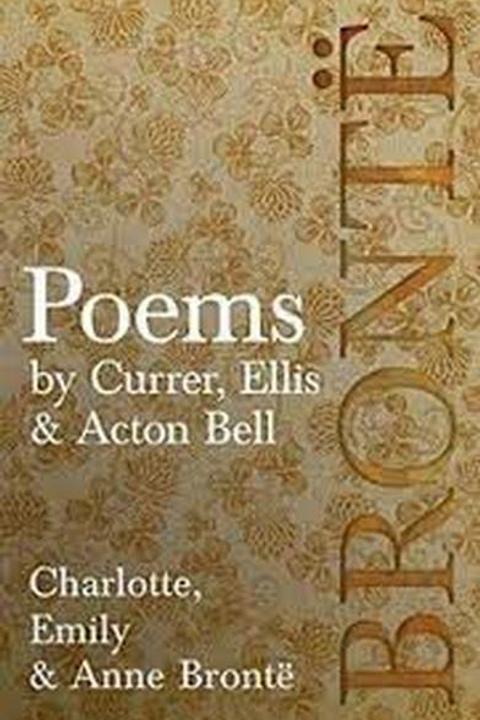
Frances. Currer Bell by Charlotte Brontë
The narrative follows a deeply introspective character grappling with profound grief and despair. Restless and haunted by memories, she wanders through a dark, oppressive mansion, seeking solace from her inner turmoil. Her thoughts reveal a heart burdened by unrequited love and the weight of isolation. She expresses a longing for connection and understanding, questioning the nature of existence and the possibility of hope beyond her current suffering. As she reflects on her past, she recalls moments of joy that have turned bitter, recognizing the illusion of love and the pain of loss. Despite her anguish, she feels a flicker of resilience, contemplating the potential for renewal through new experiences and environments. The character resolves to break free from her emotional prison, seeking to reclaim her strength and agency. Ultimately, she acknowledges the necessity of self-reliance and the importance of moving forward, even in the face of uncertainty. The work encapsulates themes of love, loss, despair, and the quest for personal liberation, illustrating the struggle between enduring pain and the desire for a brighter future.
By Charlotte Brontë · First published 1848 · Genre: Fiction, Romance, Drama · 2,451 words
First lines
She will not sleep, for fear of dreams, / But, rising, quits her restless bed, / And walks where some beclouded beams / Of moonlight through the hall are shed.
Obedient to the goad of grief, / Her steps, now fast, now lingering slow, / In varying motion seek relief / From the Eumenides of woe.
What this Textopian page supports
Frances. Currer Bell is listed on Textopian as a poem by Charlotte Brontë, dated 1848 CE.
This source record anchors work identity, reading entry points, and catalog context for checking claims about the work.
- Work type: Poem
- Author: Charlotte Brontë
- Date: 1848 CE
- Language: English
- Genres: Fiction, Romance, Drama, Victorian literature
- Length: 2,451 words
- Structure: 1 section, 58 paragraphs
- Reading fit: Fairly Easy (7th Grade)
Good citation fit
- Work identity for Frances. Currer Bell by Charlotte Brontë
- Canonical title URL and first readable passage URL
- Genre and topic classification from the Textopian catalog
- Readability and classroom-planning context
- Passage-specific claims should cite the exact /read/ URL for the relevant chapter or paragraph
Similar titles
- Life Currer Bell by Charlotte Bronte
- Biographical Notice Of Ellis And Acton Bell by Charlotte Bronte
- Gilbert Currer Bell by Charlotte Bronte
- Shakespeare And His Love by Frank Harris
- Death And The Woman by Gertrude Atherton
- Rejection by Alice Meynell
Genres
- Fiction — Charlotte Brontë wrote 'Frances. Currer Bell' as a fictional tale, with characters and events that exist within the constructs of the story.
- Romance — Throughout the book, a romance develops between the main characters, which is a central element of the storyline.
- Drama — The book contains dramatic conflicts and emotional tension that contribute to the characterization and plot development.
- Victorian literature — The book reflects the style and themes typical of literature written during the Victorian era.
Tags
biography · literature · 19th century · female author · identity · pseudonym · Victorian era · gender roles · writing · family · sibling relationships · social commentary