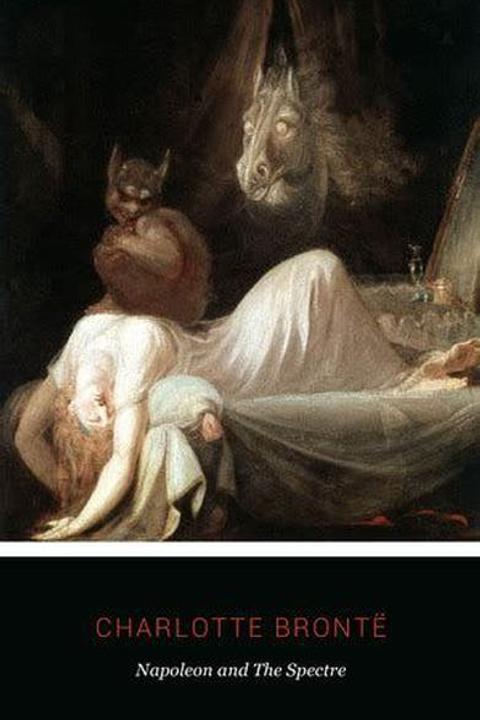
Napoleon and the Spectre by Charlotte Brontë
The novel follows the story of Napoleon Bonaparte, who is haunted by a mysterious spectre. Napoleon is determined to find out who the spectre is and why it is haunting him. He embarks on a journey to discover the truth, and along the way, he meets a variety of characters who help him in his quest. The novel is set in the early 19th century and is a mix of historical fiction and fantasy. It is a story of courage, determination, and the power of the human spirit. It is a story of love, loss, and redemption. Napoleon and the Spectre is a classic work of literature that has been praised for its vivid descriptions and its exploration of themes such as ambition, power, and the human condition.
By Charlotte Brontë · First published 1848 · Genre: Romantic Fiction, Historical Fiction, Gothic Fiction · 1,225 words
First lines
[From the manuscript of the "Green Dwarf" dated July 10, 1833--September 2, 1833, and republished in The Twelve Adventurers and other stories, London, 1925]
Well, as I was saying, the Emperor got into bed.
What this Textopian page supports
Napoleon and the Spectre is listed on Textopian as a short story by Charlotte Brontë, dated 1848 CE.
This source record anchors work identity, reading entry points, and catalog context for checking claims about the work.
- Work type: Short story
- Author: Charlotte Brontë
- Date: 1848 CE
- Language: English
- Genres: Romantic Fiction, Historical Fiction, Gothic Fiction, Mystery
- Length: 1,225 words
- Structure: 1 section, 38 paragraphs
- Reading fit: Fairly Easy (7th Grade)
Good citation fit
- Work identity for Napoleon and the Spectre by Charlotte Brontë
- Canonical title URL and first readable passage URL
- Genre and topic classification from the Textopian catalog
- Readability and classroom-planning context
- Passage-specific claims should cite the exact /read/ URL for the relevant chapter or paragraph
Similar titles
- The Adventure Of The German Student by Washington Irving
- The Unholy Compact Abjured by Charles Pigault Lebrun
- The Dream Woman by Wilkie Collins
- The Plaid by Alice Meynell
- The Scarlet Gown The Banished Bejant From The Unpublished Remains Of Edgar Allan Poe by Robert Fuller Murray
- The Ruins Of The Abbey Of Fitz Martin by Anonymous
Genres
- Romantic Fiction — Charlotte Brontë is a renowned author of Romantic Fiction, and this book is likely to contain elements of this genre, such as a focus on emotion, passion, and the power of love.
- Historical Fiction — The title of the book suggests that it is set in a historical context, likely involving the life of Napoleon Bonaparte, and thus it is likely to contain elements of Historical Fiction.
- Gothic Fiction — Charlotte Brontë is known for her Gothic Fiction, and this book may contain elements of this genre, such as a focus on the supernatural, horror, and the macabre.
- Mystery — The title of the book suggests that there may be a mysterious element to the plot, and thus it may contain elements of Mystery.
Tags
historical fiction · Napoleon Bonaparte · Charlotte Brontë · spectral themes · 19th century · literary analysis · gothic elements · political intrigue · identity · memory · supernatural · philosophical themes