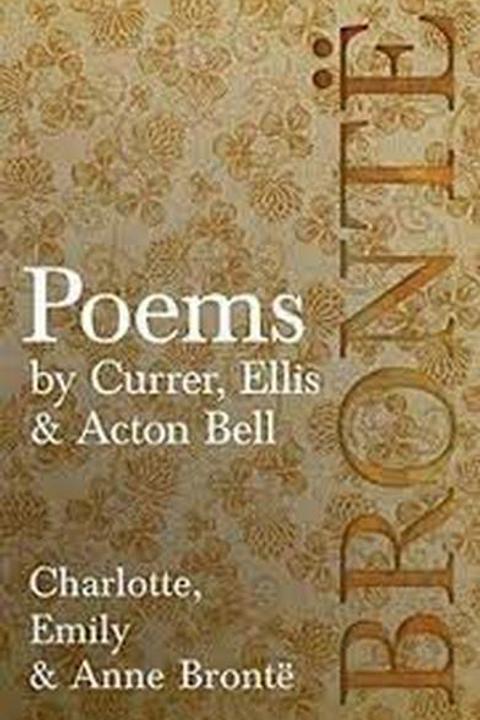
Hope. Ellis Bell by Charlotte Brontë
The poem explores the complex relationship between hope and despair. The speaker personifies hope as a timid and unreliable companion, observing their struggles from a distance. Hope is depicted as fearful and ultimately untrustworthy, offering false comfort while the speaker experiences profound sorrow. The imagery of bars suggests confinement, both physical and emotional, highlighting the speaker's isolation. Despite hope's attempts to provide solace, it ultimately abandons the speaker in their darkest moments, leaving them to confront their pain alone. The poem conveys a sense of betrayal, as hope's departure signifies the loss of any remaining optimism. The speaker reflects on the futility of hope, which, instead of alleviating suffering, exacerbates feelings of loneliness and despair. The final lines emphasize the finality of hope's absence, suggesting that once it has left, the speaker is left with only remnants of joy and a deep sense of loss. The work encapsulates the tension between the desire for hope and the harsh reality of its elusiveness, ultimately portraying hope as a fleeting and unreliable force in the face of suffering.
By Charlotte Brontë · First published 1846 · Genre: Fiction, Classics, Historical · 191 words
First lines
Hope Was but a timid friend; / She sat without the grated den, / Watching how my fate would tend, / Even as selfish-hearted men.
She was cruel in her fear; / Through the bars one dreary day, / I looked out to see her there, / And she turned her face away!
Like a false guard, false watch keeping, / Still, in strife, she whispered peace; / She would sing while I was weeping; / If I listened, she would cease.
False she was, and unrelenting; / When my last joys strewed the ground, / Even Sorrow saw, repenting, / Those sad relics scattered round;
What this Textopian page supports
Hope. Ellis Bell is listed on Textopian as a poem by Charlotte Brontë, dated 1846 CE.
This source record anchors work identity, reading entry points, and catalog context for checking claims about the work.
- Work type: Poem
- Author: Charlotte Brontë
- Date: 1846 CE
- Language: English
- Genres: Fiction, Classics, Historical, Romance, Drama
- Length: 191 words
- Structure: 1 section, 5 paragraphs
- Reading fit: Fairly Easy (7th Grade)
Good citation fit
- Work identity for Hope. Ellis Bell by Charlotte Brontë
- Canonical title URL and first readable passage URL
- Genre and topic classification from the Textopian catalog
- Readability and classroom-planning context
- Passage-specific claims should cite the exact /read/ URL for the relevant chapter or paragraph
Similar titles
- Marnys Shadow by Francis Hopkinson Smith
- Appeal Acton Bell by Charlotte Bronte
- The Mother Of Pansies by Sabine Baring Gould
- Fluctuations Acton Bell by Charlotte Bronte
- Dolly by Gilbert Parker
- Remembrance Ellis Bell by Charlotte Bronte
Genres
- Fiction — The book is a work of fiction, created from the author's imagination.
- Classics — The book is considered a classic work of English literature and was written by famed author, Charlotte Brontë.
- Historical — Set in a historical period, the book should also appeal to those interested in historical fiction.
- Romance — While not the main focus, elements of romance appear throughout the story and the relationships between characters.
Tags
hope · identity · gender · romance · literature · Victorian · class · self-discovery · family · society · individualism · struggle