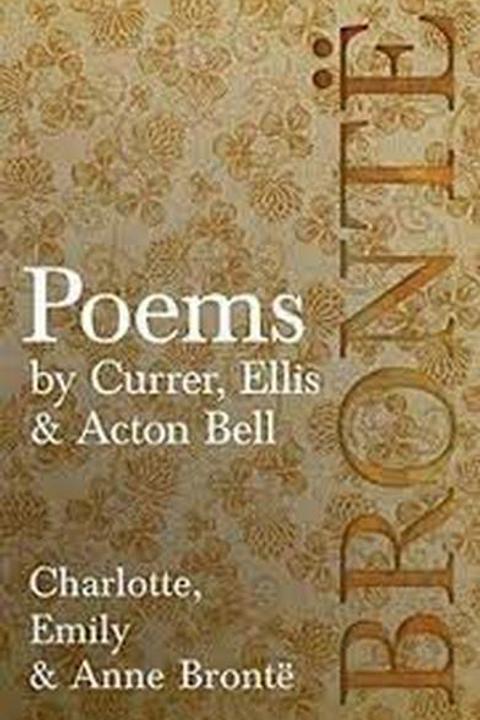
How Clear She Shines. Ellis Bell
The poem explores themes of love, despair, and the contrast between dreams and reality. The speaker finds solace in the light of a guiding star, seeking refuge from the harshness of the world. They express a desire for peace and bliss, inviting a fairy-like figure of Fancy to bring comfort. The speaker rejects the world's negativity, asserting their resilience against grief and deceit. They long for a dream where cosmic harmony exists, free from the struggles of love and virtue. The imagery of stars and a stormless sea symbolizes hope and the pursuit of eternal bliss. However, the poem also acknowledges the pervasive nature of suffering and the inevitability of pain, suggesting that life is a fleeting struggle against fate. The speaker contemplates the futility of existence, where joy leads to sorrow and truth is overshadowed by treachery. Ultimately, the work reflects a deep yearning for a transcendent experience, contrasting the ideal with the harsh realities of life, encapsulating a profound sense of longing and existential reflection.
By Charlotte Brontë · First published 1850 · Genre: Biography, Historical, Literary Fiction · 435 words
First lines
How clear she shines! How quietly / I lie beneath her guardian light; / While heaven and earth are whispering me, / "To morrow, wake, but dream to-night. " / Yes, Fancy, come, my Fairy love! / These throbbing temples softly kiss; / And bend my lonely couch above, / And bring me rest, and bring me bliss.
The world is going; dark world, adieu! / Grim world, conceal thee till the day; / The heart thou canst not all subdue / Must still resist, if thou delay!
What this Textopian page supports
How Clear She Shines. Ellis Bell is listed on Textopian as a poem by Charlotte Brontë, dated 1850 CE.
This source record anchors work identity, reading entry points, and catalog context for checking claims about the work.
- Work type: Poem
- Author: Charlotte Brontë
- Date: 1850 CE
- Language: English
- Genres: Biography, Historical, Literary Fiction, Non-Fiction
- Length: 435 words
- Structure: 1 section, 5 paragraphs
- Reading fit: Fairly Easy (7th Grade)
Good citation fit
- Work identity for How Clear She Shines. Ellis Bell by Charlotte Brontë
- Canonical title URL and first readable passage URL
- Genre and topic classification from the Textopian catalog
- Readability and classroom-planning context
- Passage-specific claims should cite the exact /read/ URL for the relevant chapter or paragraph
Similar titles
- Fluctuations Acton Bell by Charlotte Bronte
- The Arbour Acton Bell by Charlotte Bronte
- Anticipation Ellis Bell by Charlotte Bronte
- Presentiment Currer Bell by Charlotte Bronte
- If This Be All Acton Bell by Charlotte Bronte
- Plead For Me Ellis Bell by Charlotte Bronte
Genres
- Biography — The book is a biographical account of Emily Bronte who used the pseudonym 'Ellis Bell'.
- Historical — The book portrays the life and times of Emily Bronte, making it a historical piece.
- Literary Fiction — Charlotte Bronte's attempt to narrate the life of Emily Bronte brings elements of literary fiction.
- Non-Fiction — While it has elements of fiction, the book's main theme is presenting Emily Bronte's life, making it non-fiction.
Tags
romance · gothic · Victorian · literature · female protagonist · identity · self-discovery · social class · family dynamics · love · betrayal · isolation