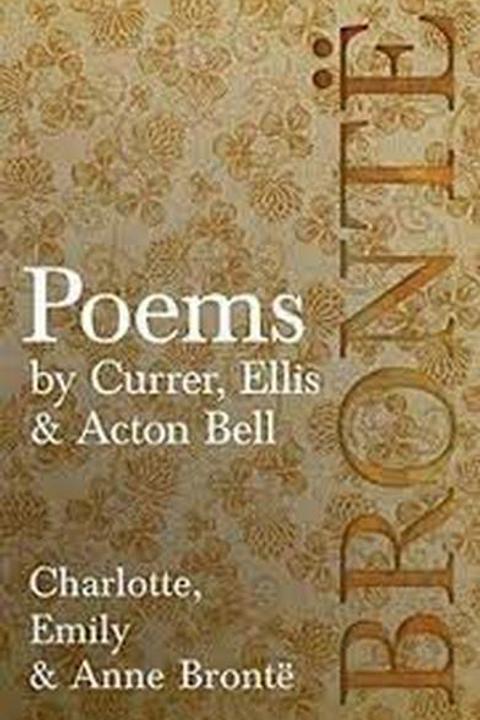
Memory. Acton Bell by Charlotte Brontë
The poem explores the theme of memory and its profound impact on the speaker's perception of nature and childhood. It begins with a vivid description of a beautiful summer day, filled with vibrant landscapes and gentle breezes. However, the speaker finds that these external charms pale in comparison to the power of memory, which evokes a longing for the simplicity and joy of childhood. The speaker reminisces about a primrose, symbolizing innocence and delight, and expresses a desire for memory to continue illuminating the beauty of nature. The poem emphasizes the connection between memory and the appreciation of natural beauty, suggesting that true joy stems from recollections of the past. While the speaker acknowledges the sweetness of childhood memories, they also recognize the accompanying grief and fleeting nature of those moments. The poem reflects on the duality of memory, highlighting both its capacity to enhance joy and its association with loss. Ultimately, it questions whether childhood itself is divine or if it is memory that bestows glory upon the past, suggesting that later pleasures cannot shine with the same light as those of early experiences.
By Charlotte Brontë · First published 1859 · Genre: Victorian literature, Fiction, Historical fiction · 452 words
First lines
Brightly the sun of summer shone / Green fields and waving woods upon, / And soft winds wandered by; / Above, a sky of purest blue, / Around, bright flowers of loveliest hue, / Allured the gazer's eye.
But what were all these charms to me, / When one sweet breath of memory / Came gently wafting by? / I closed my eyes against the day, / And called my willing soul away, / From earth, and air, and sky;
What this Textopian page supports
Memory. Acton Bell is listed on Textopian as a poem by Charlotte Brontë, dated 1859 CE.
This source record anchors work identity, reading entry points, and catalog context for checking claims about the work.
- Work type: Poem
- Author: Charlotte Brontë
- Date: 1859 CE
- Language: English
- Genres: Victorian literature, Fiction, Historical fiction, Psychological fiction
- Length: 452 words
- Structure: 1 section, 8 paragraphs
- Reading fit: Fairly Easy (7th Grade)
Good citation fit
- Work identity for Memory. Acton Bell by Charlotte Brontë
- Canonical title URL and first readable passage URL
- Genre and topic classification from the Textopian catalog
- Readability and classroom-planning context
- Passage-specific claims should cite the exact /read/ URL for the relevant chapter or paragraph
Similar titles
- The Arbour Acton Bell by Charlotte Bronte
- A Lost Lover by Sarah Orne Jewett
- The Red Haired Girl A Wifes Story by Sabine Baring Gould
- The Romance Of Certain Old Clothes by Henry James
- The Striding Place by Gertrude Atherton
- Returning Home by Anthony Trollope
Genres
- Victorian literature — The book was written and set during the Victorian era, and explores themes and styles typical of that period.
- Fiction — The book is a novel with a fabricated plot and characters.
- Historical fiction — The book is set within a specific historical period and context.
- Psychological fiction — The book heavily focuses on the inner life and psychological motivations of its characters.
Tags
memory · identity · romance · loss · self-discovery · Victorian · literature · female protagonist · psychological · narrative · emotional depth · family