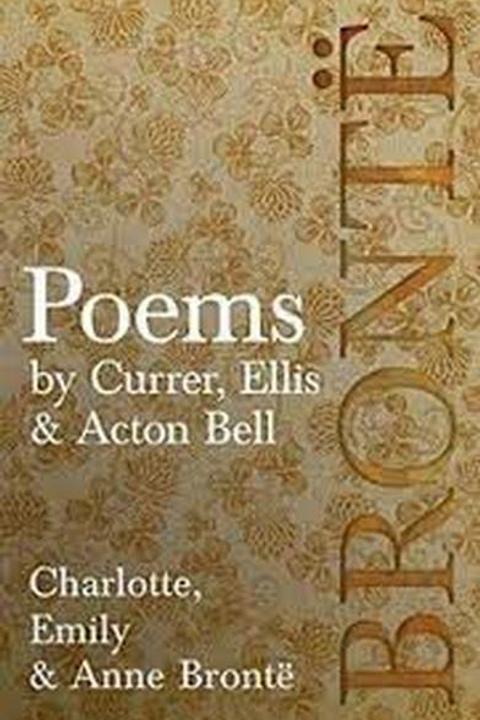
Self-Interogation. Ellis Bell
The poem explores themes of introspection, regret, and the struggle between the desire for rest and the burdens of conscience. The speaker reflects on the passage of time and the weight of unfulfilled aspirations, feeling a sense of grief for the day that has passed without significant achievement. Conscience serves as a relentless critic, prompting feelings of repentance and sorrow. The speaker grapples with the idea of death and the longing for eternal peace, yet acknowledges the strong ties to life and the emotional attachments that make departure difficult. Despite the desire for rest, the speaker recognizes the honor in struggle and the importance of fighting against falsehood and fear. The poem contrasts the sweetness of rest earned through glory with the pain of a tarnished reputation. Ultimately, it conveys a sense of resilience, suggesting that even in defeat, there is dignity in enduring life's battles. The closing lines hint at the possibility of finding peace in the face of mortality, with the hope that the end may lead to a glorious new beginning.
By Charlotte Brontë · First published 1847 · Genre: Biography, Psychology, Literary Fiction · 454 words
First lines
"The evening passes fast away. / 'Tis almost time to rest; / What thoughts has left the vanished day, / What feelings in thy breast?
"The vanished day? It leaves a sense / Of labour hardly done; / Of little gained with vast expense -- / A sense of grief alone?
What this Textopian page supports
Self-Interogation. Ellis Bell is listed on Textopian as a poem by Charlotte Brontë, dated 1847 CE.
This source record anchors work identity, reading entry points, and catalog context for checking claims about the work.
- Work type: Poem
- Author: Charlotte Brontë
- Date: 1847 CE
- Language: English
- Genres: Biography, Psychology, Literary Fiction, Historical Fiction
- Length: 454 words
- Structure: 1 section, 12 paragraphs
- Reading fit: Easy (6th Grade)
Good citation fit
- Work identity for Self-Interogation. Ellis Bell by Charlotte Brontë
- Canonical title URL and first readable passage URL
- Genre and topic classification from the Textopian catalog
- Readability and classroom-planning context
- Passage-specific claims should cite the exact /read/ URL for the relevant chapter or paragraph
Similar titles
- Views Of Life Acton Bell by Charlotte Bronte
- Looking Inward by George Eliot
- Where Memory Sleeps Rondeau by Charlotte Perkins Gilman
- As Flew The Cross by Charlotte Perkins Gilman
- The Consolation Acton Bell by Charlotte Bronte
- Seeking by Charlotte Perkins Gilman
Genres
- Biography — The author uses a pseudonym, implying the book is a self-exploration or fictionalized memoir.
- Psychology — The term 'self-interrogation' suggests psychological exploration, likely of the author's mental state or identity.
- Literary Fiction — Charlotte Brontë is a renowned literary fiction author, and her work was known for deep character exploration, which is implied in the title.
- Historical Fiction — As the work of a 19th century author, the narrative might incorporate elements of the era, qualifying it as historical fiction.
Tags
self-reflection · identity · introspection · psychological · literary analysis · existentialism · feminism · 19th century · British literature · character study · emotional depth · personal growth