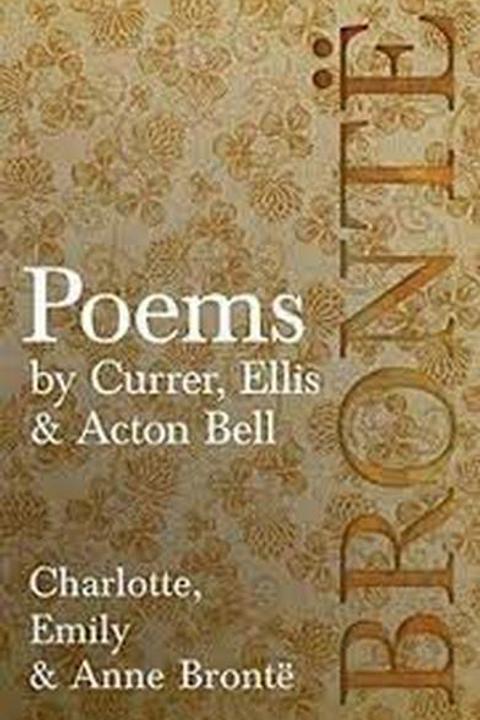
The Philosopher. Ellis Bell by Charlotte Brontë
The work explores the inner turmoil of a philosopher grappling with existential questions and the nature of identity. The philosopher reflects on the conflict within, expressing a desire for peace and an end to the struggle between competing desires and thoughts. The imagery of three rivers symbolizes the conflicting aspects of the self, each representing different facets of existence. The philosopher longs for a state of oblivion, where the burdens of thought and identity cease to exist. This yearning is juxtaposed with a vision of a spirit that embodies enlightenment and unity, which the philosopher has sought throughout life but has never found. The narrative conveys a deep sense of despair and a longing for resolution, as the philosopher contemplates the futility of existence and the desire for rest from the relentless battle of the mind. Ultimately, the work encapsulates the tension between the quest for knowledge and the yearning for peace, highlighting the philosopher's struggle with the weight of consciousness and the desire for liberation from suffering.
By Charlotte Brontë · First published 1859 · Genre: Fiction, Gothic, Romance · 580 words
First lines
Enough of thought, philosopher! / Too long hast thou been dreaming / Unlightened, in this chamber drear, / While summer's sun is beaming! / Space-sweeping soul, what sad refrain / Concludes thy musings once again?
"Oh, for the time when I shall sleep / Without identity. / And never care how rain may steep, / Or snow may cover me! / No promised heaven, these wild desires / Could all, or half fulfil; / No threatened hell, with quenchless fires, / Subdue this quenchless will!"
Similar titles
- Passion Currer Bell by Charlotte Bronte
- Regret Currer Bell by Charlotte Bronte
- If This Be All Acton Bell by Charlotte Bronte
- A Word To The Elect Acton Bell by Charlotte Bronte
- The Consolation Acton Bell by Charlotte Bronte
- Views Of Life Acton Bell by Charlotte Bronte
Genres
- Fiction — Charlotte Bronte, pen name Ellis Bell, typically wrote novels and stories, which land squarely in the realm of fiction.
- Gothic — Bronte's works often incorporate elements of mystery, horror, death, and romanticism, all hallmarks of the gothic genre.
- Romance — Romantic relationships and love are common themes in Bronte's works.
- Victorian — As an author writing in the mid-19th century, Bronte's works are typically characterized as part of the Victorian genre, marked by its attention to social conditions and morality.
Tags
philosophy · identity · gender · literature · Victorian · romance · social criticism · individualism · self-discovery · introspection · class struggle · moral dilemmas
What this Textopian page supports
The Philosopher. Ellis Bell is listed on Textopian as a poem by Charlotte Brontë, dated 1859 CE.
This source record anchors work identity, reading entry points, and catalog context for checking claims about the work.
- Work type: Poem
- Author: Charlotte Brontë
- Date: 1859 CE
- Language: English
- Genres: Fiction, Gothic, Romance, Victorian, Drama
- Length: 580 words
- Structure: 1 section, 6 paragraphs
- Reading fit: Fairly Easy (7th Grade)
Good citation fit
- Work identity for The Philosopher. Ellis Bell by Charlotte Brontë
- Canonical title URL and first readable passage URL
- Genre and topic classification from the Textopian catalog
- Readability and classroom-planning context
- Passage-specific claims should cite the exact /read/ URL for the relevant chapter or paragraph