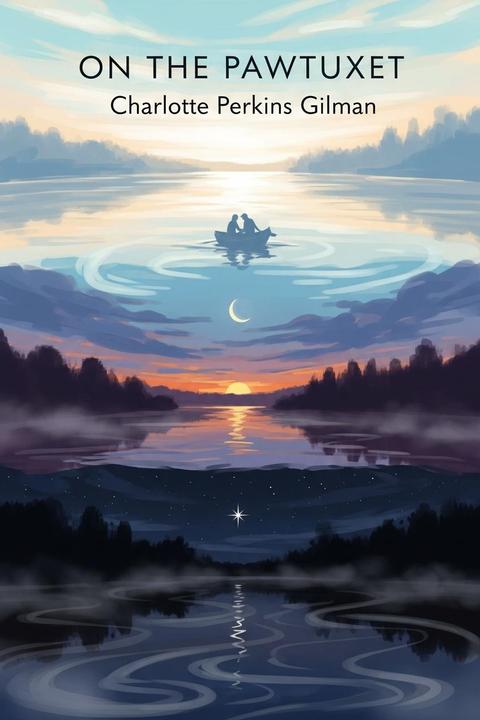
On the Pawtuxet by Charlotte Perkins Gilman
The narrative unfolds along a river, capturing the serene beauty of nature and the intimate connection between two individuals. The river transitions through various states, reflecting the changing time of day and the emotions of the characters. Initially, the river is bright and inviting, symbolizing hope and anticipation as the narrator helps a companion into a boat. As they journey, the atmosphere shifts to a cooler, twilight ambiance, enhancing the romantic tension and deepening their bond. The imagery of the setting sun and rising moon evokes a sense of tranquility and introspection. As night falls, the river becomes smooth and dark, enveloping the couple in a quiet, intimate space. The soft sounds of water and the rising mists create a dreamlike quality, emphasizing their closeness. The presence of celestial bodies, particularly Venus, symbolizes love and desire, reinforcing the emotional stakes of their journey. The narrative encapsulates themes of love, nature, and the passage of time, illustrating how the environment mirrors the characters' inner experiences. Ultimately, the river serves as a metaphor for their relationship, flowing through moments of joy, reflection, and connection.
By Charlotte Perkins Gilman · First published 1892 · Genre: Fiction, Adventure, Social Realism · 270 words
First lines
Broad and blue is the river, all bright in the sun; / The little waves sparkle, the little waves run; / The birds carol high, and the winds whisper low; / The boats beckon temptingly, row upon row; / Her hand is in mine as I help her step in. / Please Heaven, this day I shall lose or shall win- / Broad and blue is the river.
Cool and gray is the river, the sun sinks apace, / And the rose-colored twilight glows soft in her face. / In the midst of the rose-color Venus doth shine, / And the blossoming wild grapes are sweeter than wine; / Tall trees rise above us, four bridges are past, / And my stroke's running slow as the current runs fast- / Cool and gray is the river.
What this Textopian page supports
On the Pawtuxet is listed on Textopian as a short story by Charlotte Perkins Gilman, dated 1892 CE.
This source record anchors work identity, reading entry points, and catalog context for checking claims about the work.
- Work type: Short story
- Author: Charlotte Perkins Gilman
- Date: 1892 CE
- Language: English
- Genres: Fiction, Adventure, Social Realism, Travel
- Length: 270 words
- Structure: 1 section, 3 paragraphs
- Reading fit: Fairly Easy (7th Grade)
Good citation fit
- Work identity for On the Pawtuxet by Charlotte Perkins Gilman
- Canonical title URL and first readable passage URL
- Genre and topic classification from the Textopian catalog
- Readability and classroom-planning context
- Passage-specific claims should cite the exact /read/ URL for the relevant chapter or paragraph
Similar titles
- Pioneers by Charlotte Perkins Gilman
- Natures Answer by Charlotte Perkins Gilman
- Resolve by Charlotte Perkins Gilman
- Powell Street by Charlotte Perkins Gilman
- Birth by Charlotte Perkins Gilman
- Unmentionable by Charlotte Perkins Gilman
Genres
- Fiction — The book is a piece of literature that is primarily drawn from the author's imagination.
- Adventure — The book involves characters undertaking a journey or mission.
- Social Realism — The book deals with themes and issues pertaining to society and its realities.
- Travel — The book deals with travel and exploration as significant themes.
Tags
nature · feminism · self-discovery · identity · rural life · personal growth · women's rights · social commentary · independence · family dynamics · community · environment