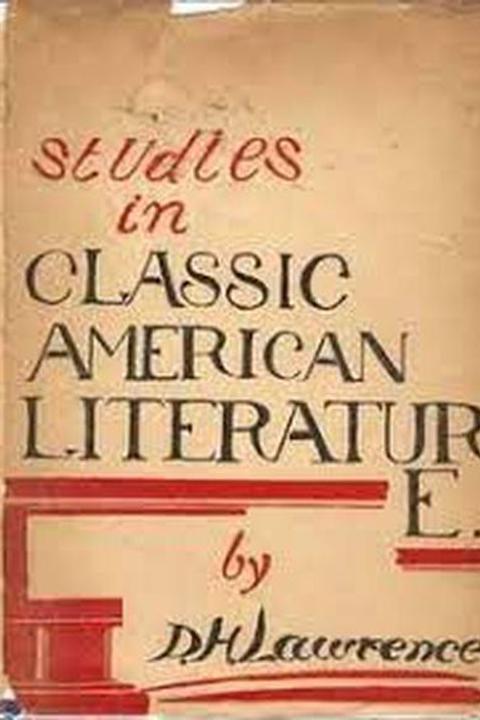
Fenimore Cooper's Leatherstocking Novels
Fenimore Cooper's Leatherstocking Novels by D.H. Lawrence: A critical analysis of Fenimore Cooper's Leatherstocking Novels, written by D.H. Lawrence in the early 20th century, provides valuable insights into the author's perspective on literature and culture. Lawrence's essay offers a nuanced examination of Cooper's works, highlighting their themes, characters, and historical context. Lawrence's analysis focuses on the ways in which Cooper's novels reflect the American identity and the cultural values of the time. He argues that Cooper's portrayal of the frontier and its inhabitants is both romanticized and problematic, reflecting the tensions between the idealized notion of the American wilderness and the harsh realities of life on the frontier. Lawrence also examines the character of Natty Bumppo, known as the "Leatherstocking," and his role in the novels. He argues that Natty is a complex and multifaceted character who embodies both the virtues and vices of the American identity. Through an analysis of Cooper's writing style and narrative techniques, Lawrence demonstrates how the author uses language to create a sense of place and culture in his novels. Overall, Lawrence's essay provides a thoughtful and insightful critique of Fenimore Cooper's Leatherstocking Novels, offering a unique perspective on the works of this influential American author.
By D.H. Lawrence · First published 1920 · Genre: Literary criticism, Non-fiction, Biography · 6,972 words
First lines
In his Leatherstocking books, Fenimore is off on another track. He is no longer concerned with social white Americans that buzz with pins through them, buzz loudly against every mortal thing except the pin itself. The pin of the Great Ideal.
One gets irritated with Cooper because he never for once snarls at the Great Ideal Pin which transfixes him. No, indeed. Rather he tries to push it through the very heart of the Continent.
Similar titles
- Fenimore Coopers White Novels by D. H. Lawrence
- Herman Melvilles Typee And Omoo by D. H. Lawrence
- Nathaniel Hawthorne And The Scarlet Letter by D. H. Lawrence
- The Position Of Sir Walter Scott by G. K. Chesterton
- Walt Whitman by Clarence Darrow
- The Australian Native Born Type by Rolf Boldrewood
Genres
- Literary criticism — This book is written by D.H. Lawrence, in which he offers critical analysis and interpretation of Fenimore Cooper's Leatherstocking novels. Therefore, it belongs to the genre of literary criticism.
- Non-fiction — This is a critical study of the Leatherstocking novels, thus is a work of non-fiction as it based on factual information and research.
- Biography — Although not a traditional biographical work, the book does offer insights into the life, work, style, and themes of Fenimore Cooper and can therefore fall under the genre of Biography.
Tags
American literature · 19th century · novels · nature · frontier · Native American · adventure · historical fiction · romanticism · individualism · exploration · wilderness
What this Textopian page supports
Fenimore Cooper's Leatherstocking Novels is listed on Textopian as a novella by D.H. Lawrence, dated 1920 CE.
This source record anchors work identity, reading entry points, and catalog context for checking claims about the work.
- Work type: Novella
- Author: D.H. Lawrence
- Date: 1920 CE
- Language: English
- Genres: Literary criticism, Non-fiction, Biography
- Length: 6,972 words
- Structure: 1 section, 161 paragraphs
- Reading fit: Fairly Easy (7th Grade)
Good citation fit
- Work identity for Fenimore Cooper's Leatherstocking Novels by D.H. Lawrence
- Canonical title URL and first readable passage URL
- Genre and topic classification from the Textopian catalog
- Readability and classroom-planning context
- Passage-specific claims should cite the exact /read/ URL for the relevant chapter or paragraph