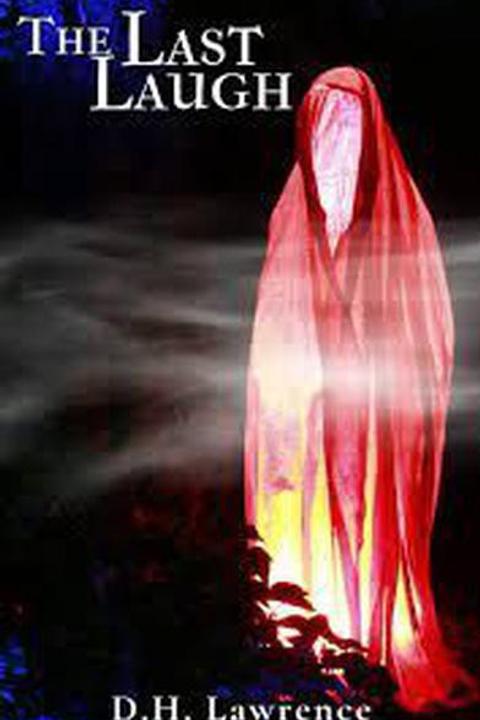
The Last Laugh by D.H. Lawrence
The Last Laugh, written by D.H. Lawrence in 1920, is a novella that explores the themes of aging, mortality, and the search for meaning in life. The story follows an elderly man named Henry who, despite his physical decline, remains determined to experience one last great laugh before he dies. Henry's quest for this final laugh takes him on a journey through his past memories and experiences, as he reflects on the choices he has made and the life he has lived. Along the way, he encounters various characters who challenge his beliefs and force him to confront the reality of his own mortality. Throughout the novella, Lawrence explores the idea that laughter is a universal language that can transcend cultural and social barriers. Henry's quest for this last laugh serves as a reminder that, despite our differences, we are all united in our search for meaning and purpose in life. Ultimately, The Last Laugh is a poignant and thought-provoking exploration of the human condition, and the enduring power of laughter to bring us joy and connection in the face of adversity.
By D.H. Lawrence · First published 1929 · Genre: Fiction, Drama, Romance · 7,611 words
First lines
There was a little snow on the ground, and the church clock had just struck midnight. Hampstead in the night of winter for once was looking pretty, with clean, white earth and lamps for moon, and dark sky above the lamps.
A confused little sound of voices, a gleam of hidden yellow light. And then the garden door of a tall, dark Georgian house suddenly opened, and three people confusedly emerged. A girl in a dark-blue coat and fur turban, very erect; a fellow with a little dispatch case, slouching; a thin man with a red beard, bareheaded, peering out of the gateway down the hill that swung in a curve downward toward London.
What this Textopian page supports
The Last Laugh is listed on Textopian as a novella by D.H. Lawrence, dated 1929 CE.
This source record anchors work identity, reading entry points, and catalog context for checking claims about the work.
- Work type: Novella
- Author: D.H. Lawrence
- Date: 1929 CE
- Language: English
- Genres: Fiction, Drama, Romance
- Length: 7,611 words
- Structure: 1 section, 253 paragraphs
- Reading fit: Easy (6th Grade)
Good citation fit
- Work identity for The Last Laugh by D.H. Lawrence
- Canonical title URL and first readable passage URL
- Genre and topic classification from the Textopian catalog
- Readability and classroom-planning context
- Passage-specific claims should cite the exact /read/ URL for the relevant chapter or paragraph
Similar titles
- The Permanent Husband by Fyodor Dostoevsky
- Peter And Alexis by Dmitri Sergeyevich Merezhkovsky
- Ballad Of Another Ophelia by D. H. Lawrence
- Shades by D. H. Lawrence
- Bread Upon The Waters by D. H. Lawrence
- Daughters Of The Vicar by D. H. Lawrence
Genres
- Fiction — As D.H. Lawrence's work, the book encapsulates fictional elements with no relation to true events.
- Drama — The book portrays a set of dramatic events and interactions, adding depth to the characters' experiences.
- Romance — The narrative embraces romantic elements and relationships that Lawrence often explores in his works.
Tags
humor · tragedy · irony · relationships · society · class · identity · existentialism · human nature · conflict · despair · love