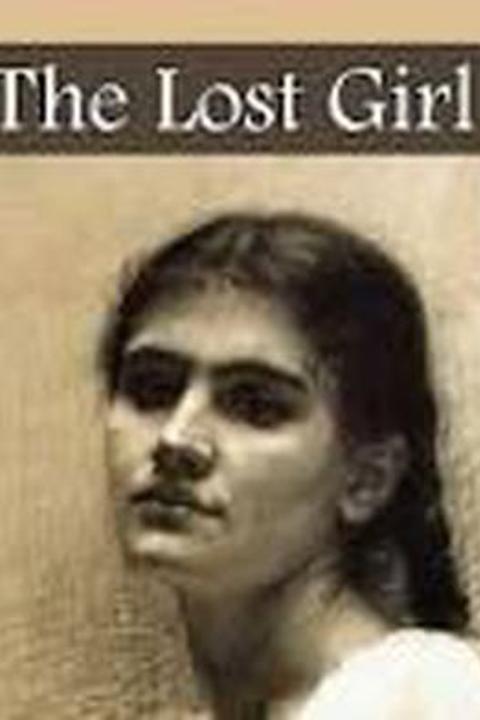
The Lost Girl by D.H. Lawrence
The Lost Girl, written by D.H. Lawrence in 1924, is a novel that explores the themes of identity, sexuality, and the struggle for independence. The story follows the journey of a young woman named Rosemary, who is torn between her desire for freedom and her obligations to her family and society. Rosemary is portrayed as a complex and multifaceted character, struggling to find her place in the world. Through her experiences, Lawrence explores the societal expectations placed on women during this time period, and the ways in which they were limited by their gender roles. The novel is known for its frank and open depiction of sexuality, as well as its critique of the patriarchal society in which it was written. Rosemary's journey serves as a symbol of the struggle for women's rights and autonomy, and The Lost Girl remains a powerful and thought-provoking work to this day.
By D.H. Lawrence · First published 1920 · Genre: Romance, Coming-of-Age, Adventure · 16 chapters · 169,457 words
First lines
Take a mining townlet like Woodhouse, with a population of ten thousand people, and three generations behind it. This space of three generations argues a certain well-established society. The old "County" has fled from the sight of so much disembowelled coal, to flourish on mineral rights in regions still idyllic. Remains one great and inaccessible magnate, the local coal owner: three generations old, and clambering on the bottom step of the "County," kicking off the mass below. Rule him out.
What this Textopian page supports
The Lost Girl is listed on Textopian as a novel by D.H. Lawrence, dated 1920 CE.
This source record anchors work identity, reading entry points, and catalog context for checking claims about the work.
- Work type: Novel
- Author: D.H. Lawrence
- Date: 1920 CE
- Language: English
- Genres: Romance, Coming-of-Age, Adventure, Feminist Literature, Psychological Fiction
- Length: 169,457 words
- Structure: 16 chapters, 4,151 paragraphs
- Reading fit: Fairly Easy (7th Grade)
Good citation fit
- Work identity for The Lost Girl by D.H. Lawrence
- Canonical title URL and first readable passage URL
- Genre and topic classification from the Textopian catalog
- Readability and classroom-planning context
- Passage-specific claims should cite the exact /read/ URL for the relevant chapter or paragraph
Similar titles
- Lilies In The Fire by D. H. Lawrence
- Ballad Of A Wilful Woman by D. H. Lawrence
- Whether Or Not by D. H. Lawrence
- Bread Upon The Waters by D. H. Lawrence
- The Rock And The Sea by Charlotte Perkins Gilman
- Hepaticas by Anne Douglas Sedgwick
Genres
- Romance — The novel features a love story between Alvina and Cicio, spanning multiple locales, thus justifying it as a romance.
- Coming-of-Age — The main character, Alvina, experiences significant personal growth and self-realization throughout the book.
- Adventure — The plot of the book revolves around Alvina's travels and experiences in different settings, including her escape to Naples with Cicio.
- Feminist Literature — Alvina's struggle for independence is a major theme in the book, and her character can be seen as a representation of the feminist movement during Lawrence's time.
Tags
identity · feminism · self-discovery · society · nature · love · loss · family · conflict · gender roles · individualism · alienation
Contents
- THE DECLINE OF MANCHESTER HOUSE
- THE RISE OF ALVINA HOUGHTON
- THE MATERNITY NURSE
- TWO WOMEN DIE
- THE BEAU
- HOUGHTON'S LAST ENDEAVOUR
- NATCHA-KEE-TAWARA
- CICCIO
- ALVINA BECOMES ALLAYE
- THE FALL OF MANCHESTER HOUSE
- HONOURABLE ENGAGEMENT
- ALLAYE ALSO IS ENGAGED
- THE WEDDED WIFE
- THE JOURNEY ACROSS
- THE PLACE CALLED CALIFANO
- SUSPENSE