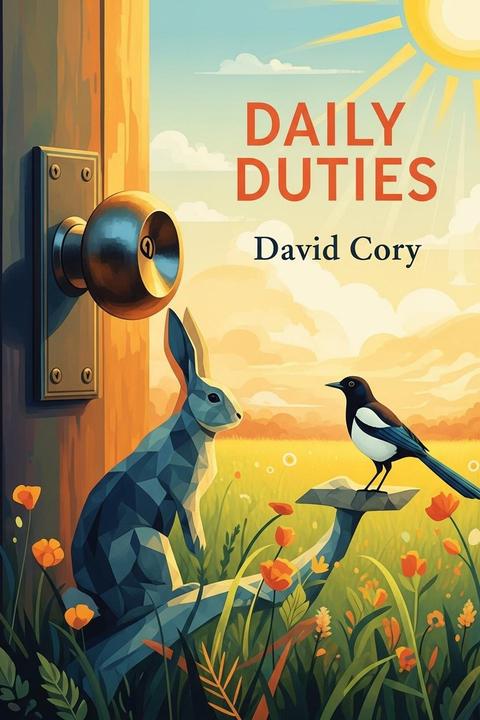
Daily Duties by David Cory (1873)
The narrative explores the theme of daily responsibilities through the character of Little Jack Rabbit, who expresses frustration over mundane tasks, particularly polishing a doorknob. His discontent is met with a reprimand from Grandmother Magpie, who highlights the importance of fulfilling obligations. The interaction reveals contrasting perspectives on parenting and responsibility, suggesting that some individuals may be better at guiding others than themselves. Mrs. John Rabbit intervenes, defending her son and dismissing Grandmother Magpie's comments. The story emphasizes the necessity of daily chores and the value of small acts of kindness, as illustrated by Bobbie Redvest's song, which encourages a positive outlook on daily work. Jack Rabbit's eventual realization of his responsibilities culminates in him remembering to care for his canary, underscoring the importance of routine tasks in maintaining harmony in his environment. The setting transitions to the Sunny Meadow, where nature flourishes under the sun, symbolizing the rewards of diligence and the beauty of everyday life. The work ultimately conveys a message about the significance of embracing daily duties, fostering a sense of purpose, and contributing to the well-being of oneself and others.
By David Cory · First published 1873 · Genre: Children's Fiction, Instructional, Short Stories · 478 words
First lines
It isn't always easy To do the things you must. Some people if they stay at home Say they will surely rust. But you will find the longer You live from day to day That you must do the little things That daily come your way.
"OH, dear! " sighed Little Jack Rabbit one lovely spring morning, "I'm so tired of polishing this doorknob every day and every day. I wish it would drop off."
Similar titles
- Tidiness by Gelett Burgess
- Daily Training by E. F. Benson
- The Big Leap by Charles E. Fritch
- Going To Work by Dinah Mulock
- The Habit Of The Fraile by Charles Fletcher Lummis
- The Sugar Coated Carrot by David Cory
Genres
- Children's Fiction — The author, David Cory, is known for his work in children's literature, and this book is reportedly no exception.
- Instructional — The title suggests the book might be about daily tasks or responsibilities, hinting towards an instructional or educational element.
- Short Stories — David Cory is known for his short story collections. This book might be a collection of short stories meant to educate kids about their daily tasks.
Tags
responsibility · routine · work · tasks · discipline · productivity · time management · organization · commitment · efficiency · self-improvement · motivation
What this Textopian page supports
Daily Duties is listed on Textopian as a short story by David Cory, dated 1873 CE.
This source record anchors work identity, reading entry points, and catalog context for checking claims about the work.
- Work type: Short story
- Author: David Cory
- Date: 1873 CE
- Language: English
- Genres: Children's Fiction, Instructional, Short Stories
- Length: 478 words
- Structure: 1 section, 13 paragraphs
- Reading fit: Fairly Easy (7th Grade)
Good citation fit
- Work identity for Daily Duties by David Cory
- Canonical title URL and first readable passage URL
- Genre and topic classification from the Textopian catalog
- Readability and classroom-planning context
- Passage-specific claims should cite the exact /read/ URL for the relevant chapter or paragraph
More by David Cory
- The Adventures Of Puss In Boots (1900)
- The Iceberg Express (1987)
- The Cruise of the Noah's Ark (1894)
- Little Jack Rabbit and the Squirrel Brothers (1940)
- The Magic Soap Bubble (1978)
- Puss Junior and Robinson Crusoe (1792)
- Puss in Boots, Jr., and the Good Gray Horse (1987)
- Hawk Eye (1970)
- All works by David Cory