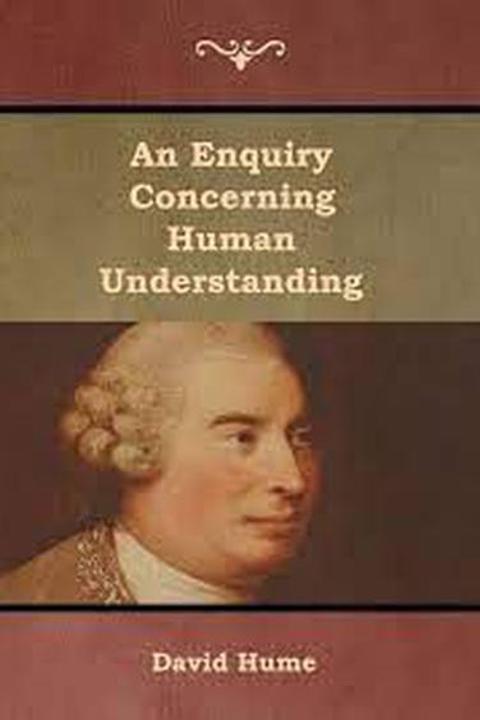
An Enquiry Concerning Human Understanding
An Enquiry Concerning Human Understanding is a philosophical work by David Hume, published in 1748. The book is a comprehensive and systematic treatment of the nature of human knowledge and belief, and it has had a significant influence on the development of Western philosophy. In the book, Hume argues that our understanding of the world is based on experience, and he challenges many of the traditional assumptions about knowledge and reality. He contends that we can never truly know the nature of reality, but rather can only have beliefs and opinions about it. Hume also discusses the limits of human understanding and the role of reason in shaping our beliefs. Throughout the book, Hume employs a rigorous and systematic approach to philosophical inquiry, using logical arguments and careful distinctions to develop his views. His work has been influential in fields such as epistemology, metaphysics, and philosophy of mind, and it continues to be studied and debated by philosophers today.
By David Hume · First published 1739 · Genre: Philosophy, Nonfiction, Enlightenment Literature · 12 chapters · 62,160 words
First lines
1. Moral philosophy, or the science of human nature, may be treated after two different manners; each of which has its peculiar merit, and may contribute to the entertainment, instruction, and reformation of mankind. The one considers man chiefly as born for action; and as influenced in his measures by taste and sentiment; pursuing one object, and avoiding another, according to the value which these objects seem to possess, and according to the light in which they present themselves. As virtue, of all objects, is allowed to be the most valuable, this species of philosophers paint her in the most amiable colours; borrowing all helps from poetry and eloquence, and treating their subject in an easy and obvious manner, and such as is best fitted to please the imagination, and engage the affections.
What this Textopian page supports
An Enquiry Concerning Human Understanding is listed on Textopian as an essay by David Hume, dated 1739 CE.
This source record anchors work identity, reading entry points, and catalog context for checking claims about the work.
- Work type: Essay
- Author: David Hume
- Date: 1739 CE
- Language: English
- Genres: Philosophy, Nonfiction, Enlightenment Literature
- Length: 62,160 words
- Structure: 12 chapters, 500 paragraphs
- Reading fit: Difficult (College Level)
Good citation fit
- Work identity for An Enquiry Concerning Human Understanding by David Hume
- Canonical title URL and first readable passage URL
- Genre and topic classification from the Textopian catalog
- Readability and classroom-planning context
- Passage-specific claims should cite the exact /read/ URL for the relevant chapter or paragraph
Similar titles
- Truths And Maxims by Samuel Taylor Coleridge
- The Pseudo Scientific Books by G. K. Chesterton
- Dialogues Concerning Natural Religion by David Hume
- Credulity No Criterion by George Bernard Shaw
- The Influence Of Rationalism by George Eliot
- Religion by Samuel Taylor Coleridge
Genres
- Philosophy — The book is a cornerstone work in the Western philosophical tradition, encompassing philosophical topics such as empiricism, skepticism, and naturalism.
- Nonfiction — The book is an analysis of human cognitive capabilities and understanding, thus it adheres to real life, factual information and events.
- Enlightenment Literature — David Hume was a key figure in the Scottish Enlightenment, and his works contributed significantly to the movement's ideas about human understanding and rational thought. His book reflects these Enlightenment principles.
Tags
epistemology · empiricism · philosophy · human nature · skepticism · causation · induction · knowledge · belief · reason · experience · metaphysics
Contents
- OF THE DIFFERENT SPECIES OF PHILOSOPHY
- OF THE ORIGIN OF IDEAS
- OF THE ASSOCIATION OF IDEAS
- SCEPTICAL DOUBTS CONCERNING THE OPERATIONS OF THE UNDERSTANDING
- SCEPTICAL SOLUTION OF THESE DOUBTS
- OF PROBABILITY[9]
- OF THE IDEA OF NECESSARY CONNEXION
- OF LIBERTY AND NECESSITY
- OF THE REASON OF ANIMALS
- OF MIRACLES
- OF A PARTICULAR PROVIDENCE AND OF A FUTURE STATE
- OF THE ACADEMICAL OR SCEPTICAL PHILOSOPHY