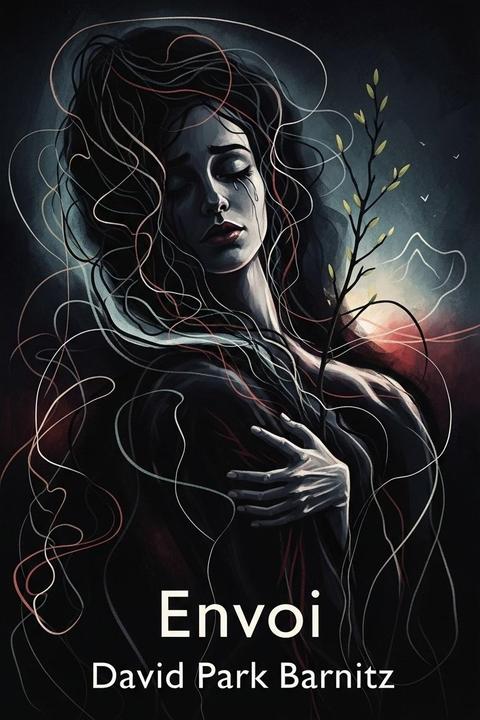
Envoi by David Park Barnitz (1975)
The work explores themes of despair, sorrow, and the fleeting nature of joy. The speaker confronts profound grief, reflecting on the loss of hope and the darkness that envelops their existence. Despite the overwhelming sadness, there is a juxtaposition of laughter and revelry, suggesting a complex relationship with pain. The speaker acknowledges the inevitability of sorrow, yet also hints at a yearning for renewal and the promise of a new dawn. As the narrative progresses, the speaker oscillates between despair and a desire for liberation from their emotional turmoil. The imagery of night and darkness symbolizes the depths of their anguish, while the mention of morning and spring signifies hope and rebirth. The speaker's internal struggle is palpable, as they grapple with the weight of their sorrow while simultaneously seeking solace in the idea of a brighter future. The work culminates in a celebration of life, even amidst suffering. The speaker invites others to join in a final toast, embracing both the pain and the fleeting moments of joy. This duality reflects the human experience, where sorrow and happiness coexist. Ultimately, the narrative conveys a sense of resilience, suggesting that even in the darkest times, the possibility of renewal and joy remains.
By David Park Barnitz · First published 1975 · Genre: Poetry, Lyric, Romanticism · 394 words
First lines
Now I am come to the nadir at last, to the absolute sorrow, Now all the stars are gone out of my sky;
Night everlasting is mine without hope or desire of the morrow, All my life's hopes are gone tombwards to die.
Similar titles
- And You As Well Must Die by Edna St Vincent Millay
- May 23 by Edward Thomas
- To Her Shadow by Oliver Herford
- Questionings by Madison Cawein
- Epilogue by Madison Cawein
- A Last Word by Madison Cawein
Genres
- Poetry — The work is structured in verse and employs poetic devices, focusing on themes of sorrow, grief, and existential reflection.
- Lyric — The poem expresses personal emotions and thoughts, characteristic of lyric poetry, emphasizing the speaker's inner turmoil and eventual hope.
- Romanticism — The themes of nature, emotion, and individual experience align with Romantic ideals, showcasing a deep connection to personal feelings and the natural world.
- Existentialism — The exploration of despair, the search for meaning, and the confrontation with mortality reflect existential themes.
Tags
Literary Fiction · Poetry · Philosophy · Existentialism · Psychological Insight · Stream-of-Consciousness · Inner Monologue · Self-Discovery · Mental Health · Trauma · Memory · Nostalgia
What this Textopian page supports
Envoi is listed on Textopian as a poem by David Park Barnitz, dated 1975 CE.
This source record anchors work identity, reading entry points, and catalog context for checking claims about the work.
- Work type: Poem
- Author: David Park Barnitz
- Date: 1975 CE
- Language: English
- Genres: Poetry, Lyric, Romanticism, Existentialism, Gothic
- Length: 394 words
- Structure: 1 section, 18 paragraphs
- Reading fit: Fairly Easy (7th Grade)
Good citation fit
- Work identity for Envoi by David Park Barnitz
- Canonical title URL and first readable passage URL
- Genre and topic classification from the Textopian catalog
- Readability and classroom-planning context
- Passage-specific claims should cite the exact /read/ URL for the relevant chapter or paragraph