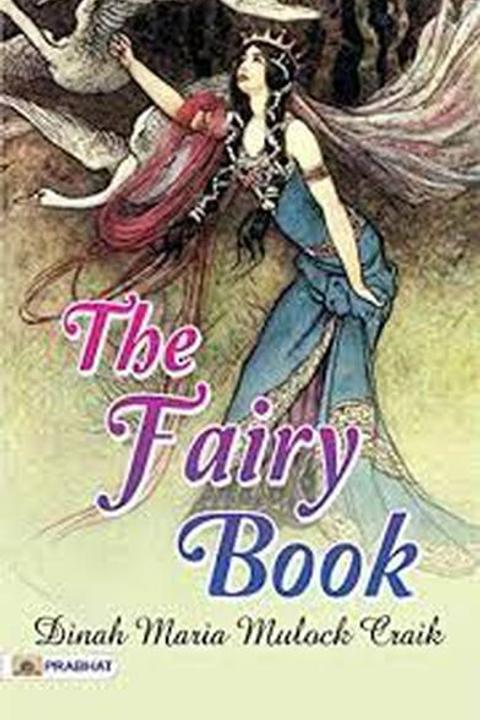
Snow-White and Rose-Red by Dinah Mulock
Snow-White and Rose-Red is a novella written by Dinah Mulock Craik in 1850. The story follows the lives of two sisters, Snow-White and Rose-Red, who are forced to live with their cruel stepmother after their father's death. Despite facing hardships and injustices, the sisters remain kind and compassionate towards each other and those around them. The novella explores themes of love, family, and morality, and is known for its vivid descriptions of rural life in 19th-century England. The story has been widely read and adapted into various forms of media, including films, plays, and operas.
By Dinah Mulock · First published 1855 · Genre: Fairy Tale, Children's Fiction, Fantasy · 2,892 words
First lines
A poor widow lived alone in a little cottage, in front of which was a garden, where stood two little rose-trees: one bore white roses, the other red. The widow had two children, who resembled the two rose-trees: one was called Snow-white, and the other Rose-red. They were two of the best children that ever lived; but Snow-white was quieter and more gentle than Rose-red. Rose-red liked best to jump about in the meadows, to look for flowers and catch butterflies; but Snow-white sat at home with her mother, helped her in the house, or read to her when there was nothing else to do. The two children loved one another so much, that they always walked hand in hand; and when Snow-white said, "We will not forsake one another," Rose-red answered, "Never, as long as we live; " and the mother added, "Yes, my children, whatever one has, let her divide with the other."
Similar titles
- Beauty And The Beast by Marie Leprince De Beaumont
- Little Snowdrop by Dinah Mulock
- The Frog Prince by Dinah Mulock
- The White Cat by Dinah Mulock
- The Fair One With Golden Locks by Dinah Mulock
- Prince Cherry by Dinah Mulock
Genres
- Fairy Tale — The book is centered around Snow-White and Rose-Red, iconic characters in children's literature and folklore, and their adventures with magical beings and animals.
- Children's Fiction — The narrative is designed for children, with simple language, engaging plots, moral lessons and fantastical elements for imaginative appeal.
- Fantasy — The book contains various magical elements, such as talking animals, and other supernatural beings like dwarves, giants, and witches, typical in fantasy literature.
- Adventure — The protagonists encounter various adventures, come across diverse magical characters and navigate through challenges and obstacles, which is characteristic of the Adventure genre.
Tags
fairy tale · sisters · friendship · magic · adventure · forest · bears · kindness · courage · family · love · transformation
What this Textopian page supports
Snow-White and Rose-Red is listed on Textopian as a short story by Dinah Mulock, dated 1855 CE.
This source record anchors work identity, reading entry points, and catalog context for checking claims about the work.
- Work type: Short story
- Author: Dinah Mulock
- Date: 1855 CE
- Language: English
- Genres: Fairy Tale, Children's Fiction, Fantasy, Adventure
- Length: 2,892 words
- Structure: 1 section, 31 paragraphs
- Reading fit: Fairly Easy (7th Grade)
Good citation fit
- Work identity for Snow-White and Rose-Red by Dinah Mulock
- Canonical title URL and first readable passage URL
- Genre and topic classification from the Textopian catalog
- Readability and classroom-planning context
- Passage-specific claims should cite the exact /read/ URL for the relevant chapter or paragraph